What Regenerative Braking Actually Does to Your EV’s Range

Jordan Lee
March 7, 2026
If you’ve driven an electric vehicle, you’ve felt it: lift your foot off the accelerator and the car slows without touching the brake pedal. That’s regenerative braking—the motor runs in reverse, acting as a generator, and puts energy back into the battery. It feels different from a gas car, and it matters for range. But how much?
The short answer: it helps, often a lot. The long answer depends on where you drive, how you drive, and how your EV is configured. Regenerative braking can recover a meaningful fraction of the energy you’d otherwise lose as heat in traditional brakes. In stop-and-go traffic or hilly terrain, the gains are substantial. On the highway at steady speed, there’s less to recover—but the habit of one-pedal driving still shapes how you use the car.
How Regenerative Braking Works
When you brake in a conventional car, kinetic energy turns into heat at the brake pads. That energy is gone. In an EV, the electric motor can run in reverse—as a generator—and convert kinetic energy into electrical energy. That electricity flows back into the battery. You’re not creating energy; you’re capturing some of what you’d otherwise throw away.
The physics are straightforward. Slowing a 4,000-pound car from 60 mph to zero represents a lot of kinetic energy. If you could capture all of it, you’d get a meaningful recharge. In practice, you capture a fraction—usually 30 to 70 percent, depending on speed, motor efficiency, and battery acceptance rate. The rest still goes to friction brakes or gets lost as heat in the motor and electronics.
What Actually Affects Range
Regen helps most when you brake frequently. City driving—stoplights, traffic, low speeds—gives you lots of opportunities to recover energy. Highway driving at constant speed gives you almost none. You’re not braking, so there’s nothing to regenerate. Range gains from regen are biggest in urban and suburban use.
Hills matter. Descending a long grade, regenerative braking can put a significant charge back into the battery. Some EV owners report net gains on mountain drives—you use energy climbing, recover a chunk descending. The exact numbers depend on grade, speed, and how aggressively the car regens. Steeper hills and lower speeds tend to capture more.
One-pedal driving—where lifting off the accelerator provides strong regen—changes behavior. You brake less with the physical brake pedal, which means more energy goes through the motor and into the battery instead of the rotors. It also means you plan your deceleration earlier. That can improve efficiency even when the raw regen capture isn’t dramatically higher, because you’re driving more smoothly.
The Real Numbers
Manufacturers rarely publish hard figures for regen’s contribution to range. Independent tests suggest 10 to 25 percent improvement in city-heavy driving, compared to driving without regen or with minimal regen. On highway-heavy cycles, the benefit drops to a few percent or less.
Your mileage will vary. Aggressive regen settings, hilly terrain, and lots of stop-and-go traffic push the numbers up. Highway commutes and gentle regen settings push them down. The key takeaway: regen matters most where you brake the most.
Regen Modes and Configurability
Most EVs let you adjust regen strength. Some offer multiple levels—light, medium, strong—or even a “B” mode that maxes it out. Tesla’s one-pedal driving is strong regen by default. Others, like some Audi and Porsche EVs, default to a coasting feel closer to a gas car, with regen activated mainly when you touch the brake.
Strong regen takes getting used to. New EV drivers often find it jerky at first. Once you adapt, many prefer it—fewer pedal transitions, smoother deceleration, and a sense that you’re “earning back” range with every slowdown. If you’re coming from a gas car, give it a week before judging.
When Regen Is Limited
Regen isn’t always available at full strength. Cold batteries accept charge more slowly, so regen may be reduced in winter. Some cars also limit regen when the battery is nearly full—there’s nowhere for the energy to go. On long descents, a full battery can force the car to use friction brakes instead; that’s one reason some EV owners aim to arrive at the top of a mountain pass with headroom.
Wet or icy roads can trigger traction control to reduce regen, since a sudden deceleration at the driven wheels could cause slip. The car prioritizes stability over energy recovery. That’s the right trade-off, but it means you’ll recover less in bad weather.
Blended Braking: Regen and Friction Together
Most EVs blend regen and friction braking seamlessly. When you press the brake pedal, the car uses regen first, then adds friction brakes as needed. You rarely notice the handoff—the pedal feel is calibrated to feel natural. That’s a deliberate design choice: maximize energy recovery while keeping the driving experience familiar.
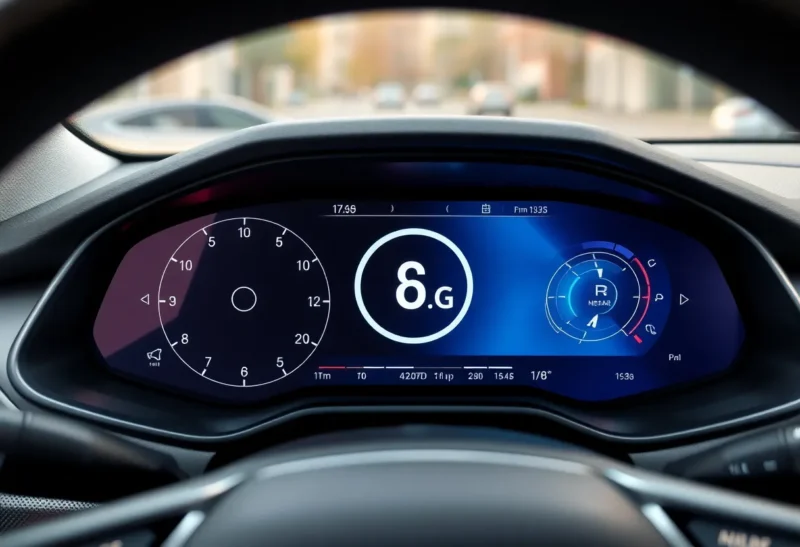
Some EVs show you real-time regen on the dashboard—a green bar or wattage display as you slow. It’s satisfying feedback. Others keep it invisible. Either way, you’re recovering energy whenever the car decelerates under regen. The more you drive smoothly and anticipate stops, the more you’ll capture.
Bottom Line
Regenerative braking is real, it works, and it meaningfully extends range in the conditions where you brake a lot. It’s not magic—you’re recapturing energy you’d otherwise waste, not generating new energy. But in city driving and hilly terrain, the gains add up. Learn your car’s regen settings, use one-pedal driving if it suits you, and don’t expect miracles on highway-only trips. Regen is one of the quiet advantages of going electric—and once you’re used to it, you’ll miss it when you drive a gas car.