Why Sideloading on iOS Could Change Everything (When It Arrives)

Sasha Kim
March 1, 2026
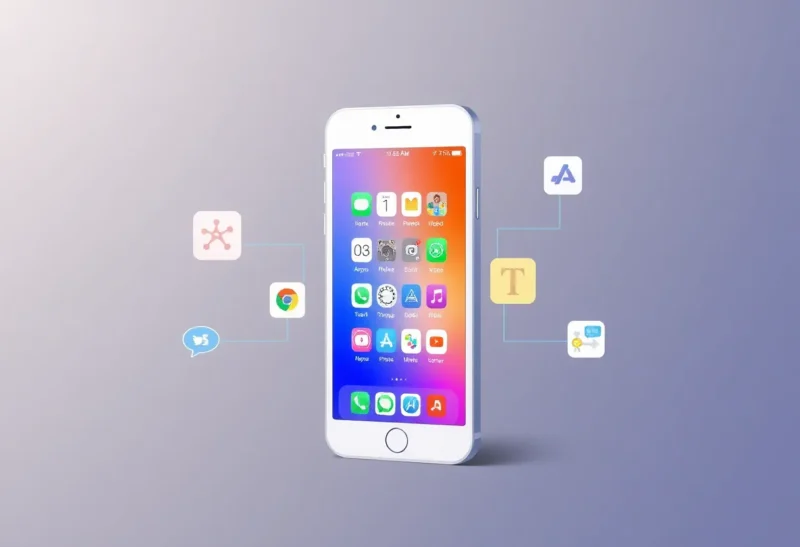
Sideloading—installing apps from outside the official App Store—has been possible on Android for years. On iOS, it’s been locked down. That’s about to change. The EU’s Digital Markets Act (DMA) has forced Apple to open iOS to alternative app stores and sideloading, at least in Europe. When—and if—that model spreads, it could reshape the mobile ecosystem.
Here’s what sideloading on iOS actually means, why it matters, and what might happen when it arrives.
What Is Sideloading?
Sideloading means installing an app from a source other than the official app store. On Android, you can enable “Install from unknown sources” and install APKs from anywhere. On iOS, until recently, the App Store was the only option. Apple has argued that this walled garden protects users from malware and keeps quality high. Critics say it locks users and developers into Apple’s ecosystem and gives Apple excessive control over the app economy.
The EU has sided with the critics. Under the DMA, designated “gatekeepers”—including Apple—must allow alternative app stores and direct distribution. Apple is implementing this in the EU only, with a new framework that lets users install apps from third-party storefronts. Developers can opt into alternative distribution, and users can choose where to get their apps. It’s a limited rollout—geofenced to the EU—but it’s a precedent. Once the door is open, it’s hard to close.
Apple has resisted fiercely. It has argued that sideloading would compromise security, expose users to malware, and undermine the trust that makes iOS safe. Regulators weren’t swayed. The DMA sets clear obligations: gatekeepers must allow business users to access services outside the platform. For app stores, that means alternatives must exist.
What Changes for Users
In regions where sideloading is available, users gain choice. Want an app that Apple rejected? Install it from an alternative store. Want to use a different payment system? Some stores might offer that. Want to run emulators or tools Apple doesn’t allow? Sideloading makes it possible.
The trade-off is risk. The App Store’s review process—however imperfect—blocks most malware. Sideloading opens the door to malicious apps if users aren’t careful. Android has dealt with this for years: users can sideload, but they’re responsible for vetting sources. iOS users will need to learn the same habits.
Apple has added friction: EU users who sideload will see warnings, and some features (like Family Sharing) may not work with sideloaded apps. Apple is clearly trying to make the official store the path of least resistance. Whether that’s enough to keep most users in the garden remains to be seen.
What Changes for Developers
Developers gain leverage. If they can distribute outside the App Store, they can avoid Apple’s 15–30% commission. They can offer in-app purchases through their own payment systems. They can ship apps Apple would reject—emulators, adult content, crypto wallets with different rules.
Epic Games has been fighting Apple over this for years. Fortnite was removed from the App Store after Epic introduced a direct payment option. With sideloading, Epic could distribute Fortnite through its own store and bypass Apple’s fees entirely. Other large developers may follow.
Smaller developers might stay in the App Store for reach and convenience. Discovery is hard; the App Store’s search and featuring still drive a lot of downloads. But having an alternative gives developers negotiating power. If Apple’s terms get too onerous, they have an exit.
The Regulatory Momentum
Europe led with the DMA. Other regions are watching. Japan, South Korea, and the UK are considering similar rules. The US has been slower, but antitrust pressure on Big Tech is growing. If sideloading spreads beyond the EU, Apple’s control over iOS could erode globally.
Apple will push back. It has already imposed new fees and restrictions on EU developers who use alternative stores—a “Core Technology Fee” and strict notarisation requirements. Critics say Apple is complying with the letter of the law while making alternatives unattractive. Regulators may tighten the rules in response.
The Security Question
Apple’s main argument against sideloading has always been security. The walled garden, they say, protects users from malware, scams, and data theft. There’s truth to that. Android’s more open model has led to more malicious apps in the wild.
But the gap may be narrower than Apple suggests. App Store review catches a lot, but it’s not perfect. Scam apps and copycats still slip through. And users who want to sideload are often tech-savvy enough to vet sources. The question is whether the benefits of choice outweigh the risks for most users.
When It Arrives—If It Does
Sideloading is live in the EU. Elsewhere, it’s not. Apple could expand it if regulators demand it, or keep it EU-only if they don’t. The outcome depends on policy, litigation, and market pressure.
If sideloading spreads, iOS will look more like Android in one key way: users and developers will have options beyond the default store. That doesn’t mean the App Store disappears—it will likely remain the dominant channel. But the mere existence of alternatives could change how Apple behaves. Competition, even partial, can temper gatekeeper power.
Watch the EU. What happens there over the next year will shape the future of mobile app distribution everywhere. If alternative stores gain traction, if developers migrate in meaningful numbers, and if users embrace the choice, other regions will take note. If the experiment fizzles—if Apple’s friction and fees make alternatives unattractive—sideloading may remain a niche. Either way, the era of the single, mandatory app store is ending, at least in some parts of the world. The question is how far it spreads.