Rare Earth Materials: The Bottleneck Nobody Wants to Talk About

Daniel Voigt
February 26, 2026
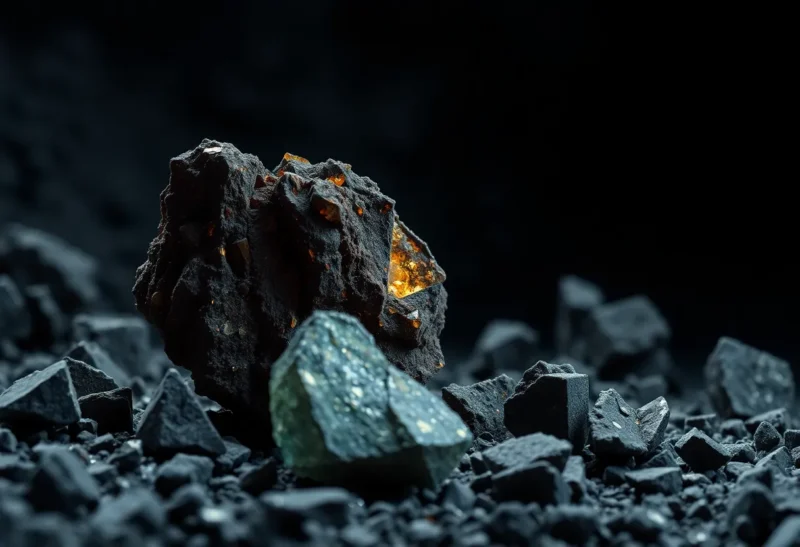
Rare earth elements power the tech we depend on: motors in EVs and wind turbines, screens and speakers in phones, catalysts and alloys in everything from defense to medical gear. But supply is concentrated in a handful of countries, processing is dirty and politically sensitive, and alternatives are still limited. It’s a bottleneck that gets less attention than chips or oil—and it could bite just as hard. Here’s what’s going on and why it matters.
What “Rare Earth” Actually Means
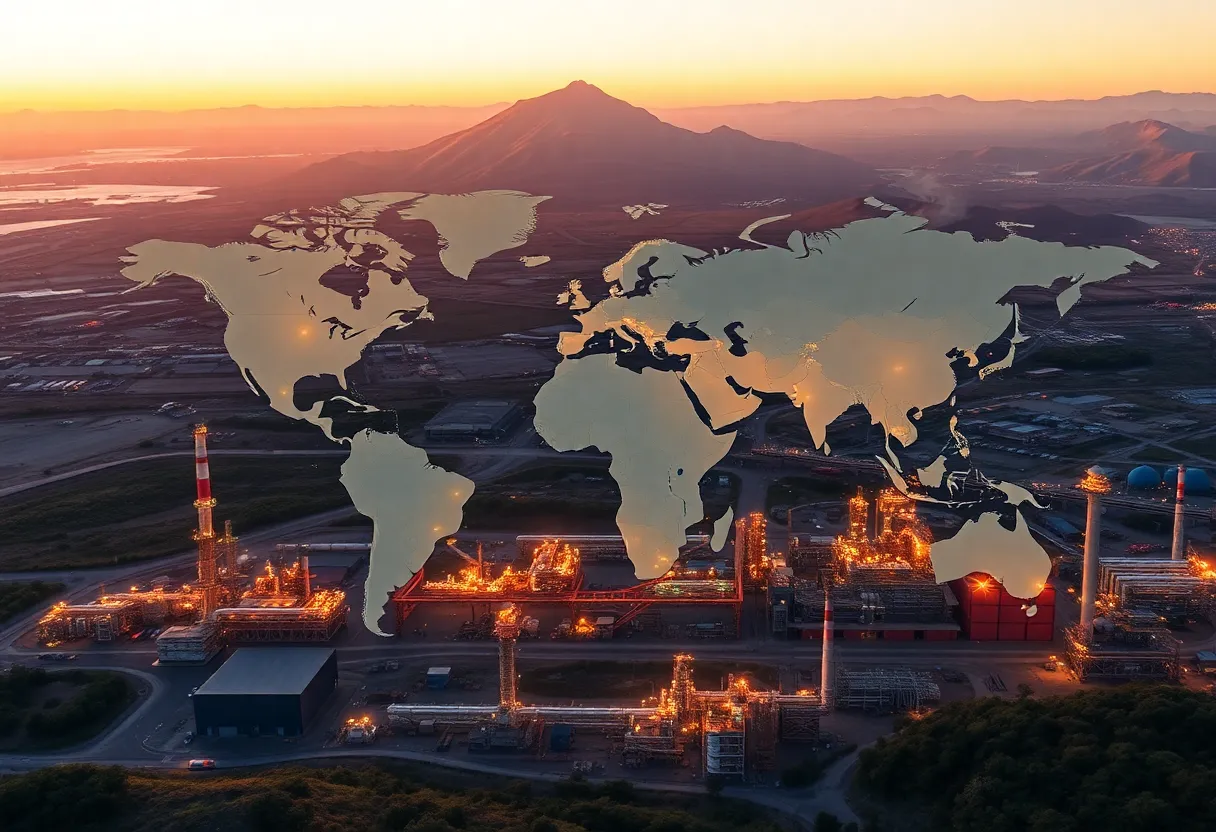
“Rare earth” is a bit of a misnomer. The 17 elements (lanthanides plus scandium and yttrium) aren’t especially rare in the Earth’s crust—some are more abundant than lead or copper. What’s rare is finding them in concentrations high enough to mine economically, and what’s hard is turning ore into the pure, separated oxides and metals that industry needs. That requires refining and separation plants, often using acids and generating waste. So the bottleneck isn’t just geology—it’s extraction, processing, and the fact that much of the world has outsourced both to China, which dominates production and refining. That concentration creates supply risk whenever trade or politics shift.
Where They Matter Most
Neodymium and other rare earths are essential for permanent magnets in EV motors, wind turbine generators, and many consumer electronics. Dysprosium and terbium are used to improve magnets’ performance at high temperatures. Europium and terbium go into phosphors for displays. Cerium is used in catalysts and polishing. There are partial substitutes for some applications—induction motors that don’t need rare earth magnets, or different phosphor chemistries—but switching takes time and often comes with tradeoffs in performance, cost, or size. So demand is tied to the growth of EVs, renewables, and high-end electronics. As those sectors scale, the pressure on rare earth supply and refining capacity grows.
Why Nobody Wants to Talk About It
Building new mines and refineries is expensive, slow, and environmentally fraught. Rare earth projects often face opposition over pollution, water use, and tailings. Permitting takes years. Even when ore is mined, separating the elements is chemically intensive and has historically been done where regulation is looser or labor is cheaper. So Western policymakers and companies prefer to talk about “resilient supply chains” and “friend-shoring” rather than the gritty reality: more domestic or allied production means more mining and refining in their own backyards. The bottleneck is also easy to ignore when supply is flowing—until it isn’t. Price spikes and export controls have happened before and could happen again.
What’s Being Done (And What’s Not)
Some new mines and refineries are in development in the U.S., Australia, Canada, and elsewhere. Recycling of rare earths from magnets and batteries is improving but still small scale. Research into alternative materials—magnets with less or no rare earth content—continues but hasn’t replaced the incumbent tech at scale. In the meantime, companies and governments are diversifying sources and stockpiling where they can. The bottleneck isn’t going away soon; at best it gets slightly less tight over the next decade.
The Bottom Line
Rare earth materials are a real bottleneck: concentrated supply, difficult processing, and growing demand from cleantech and electronics. It’s a topic that gets less airtime than semiconductors or oil, but it’s just as strategic. Understanding the dependency—and the limits of quick fixes—is the first step to taking it seriously. Nobody wants to talk about it because the solutions are hard; that’s exactly why we should.