Rocket Engineering Basics: What Makes a Reusable Booster Work

Robin Hayes
February 26, 2026
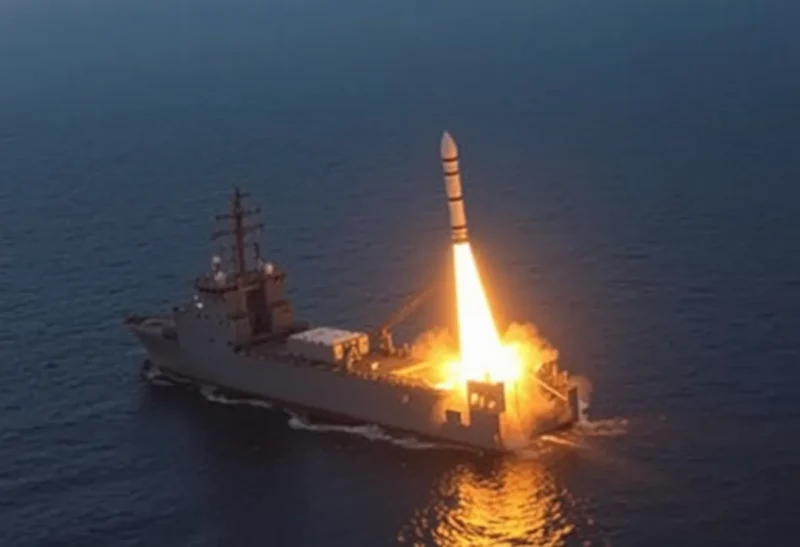
Reusable boosters have gone from science fiction to routine in less than a decade. SpaceX lands first stages on drone ships; others are close behind. But what actually makes a booster reusable—and why did it take so long to get here? The answer isn’t just “better software.” It’s a mix of propulsion, structures, guidance, and economics. Here’s the engineering that makes it work.
Why Reuse Was Hard in the First Place
Traditional rockets are built to fly once. Every gram is optimized for that single mission: reach orbit, deploy the payload, and then the vehicle is gone. Making a stage come back means adding mass—heat shields, landing legs, extra propellant for the return burn—and that mass eats into payload. For decades, the math didn’t close: the penalty for reusability seemed to outweigh the benefit. What changed wasn’t just one breakthrough but a combination: cheaper manufacturing, more efficient engines, and a willingness to iterate in public until the landing logic and hardware were good enough.
Propulsion: Throttle and Restart
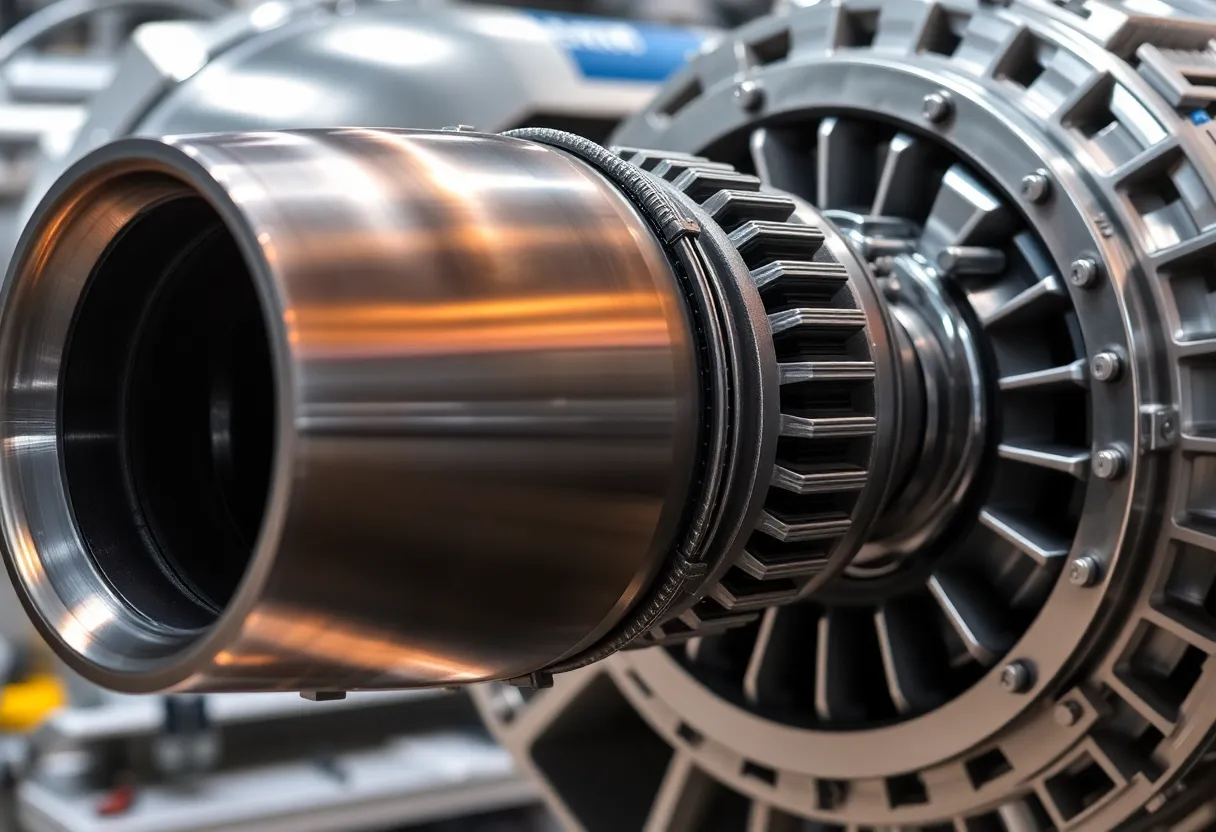
A reusable booster needs engines that can throttle deeply and relight reliably. You’re not just firing at full thrust until stage separation; you’re doing a reentry burn to slow down, then a final landing burn with precise timing and thrust. If the engines can’t throttle low enough, you can’t hover or make the fine adjustments that a soft landing requires. If they can’t relight after the long coast back from altitude, you have no landing burn at all.
Merlin engines, for example, throttle down to around 40% of full thrust. That gives enough range to slow the stage without crushing it with deceleration or overshooting the landing site. Multiple engines also allow thrust differential for steering—you don’t need to gimbal the whole stage as much if you can shut down or throttle individual engines to correct attitude. The turbopumps, igniters, and valves all have to survive the thermal and mechanical cycles of multiple flights. One flight is brutal; ten or twenty is a different kind of design problem.
Structures: Surviving Reentry
Coming back from orbit—or even from a high arc—means the stage hits the atmosphere at enormous speed. Friction heats the skin; the structure has to absorb that heat and the loads that come with it. You have two main strategies: protect the structure with a heat shield (like the Shuttle) or let the stage itself absorb the heat and rely on materials and design that can take it. Most modern boosters use the latter approach: the aluminum or steel structure is the primary load path, and thermal protection—whether paint, ablative patches, or nothing in some areas—is kept minimal to save mass.
Grid fins play a big role. They deploy after the reentry burn and provide aerodynamic control during the descent. Unlike traditional fins, they work at high angles of attack and in supersonic flow, so the stage can steer itself toward the landing pad or ship. The fins are stowed during ascent to reduce drag and deployed only when needed. That kind of deployable aerodynamic surface has to be reliable: if the fins don’t lock out, the stage can tumble and break up.
Guidance and Landing
Landing a 40-meter-tall cylinder on a moving platform in the ocean is a control problem with no room for error. The booster has to navigate using GPS and inertial sensors, account for wind and waves, and fire the engines at the right instant to touch down at near-zero horizontal and vertical speed. The software runs in a loop: estimate state, predict trajectory, command thrust and attitude, repeat. The physics are well understood; the difficulty is in the robustness—handling off-nominal conditions, sensor noise, and the fact that you only get one try per flight.
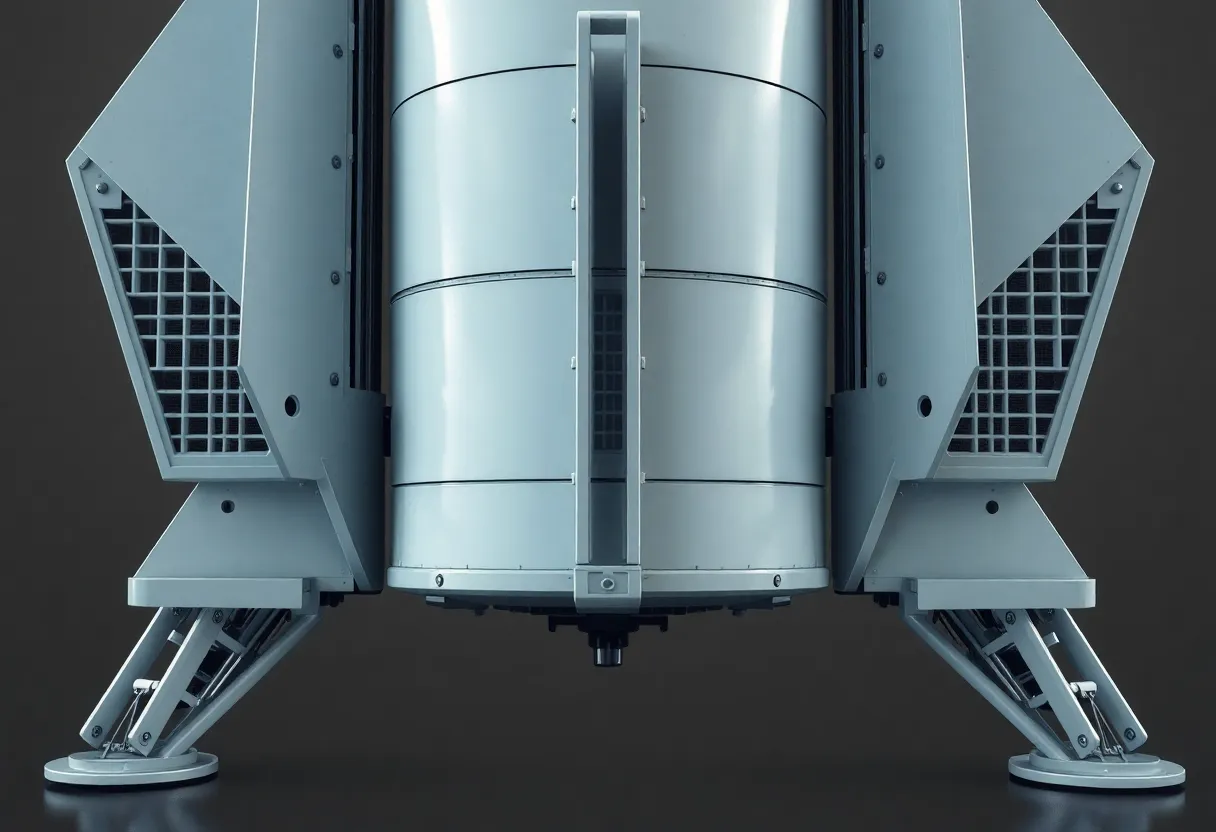
Landing legs absorb the final impact and keep the stage upright. They have to be lightweight (again, mass is precious) but strong enough to take the load when the stage settles. They’re often deployed only in the last seconds before touchdown to avoid drag and complexity during descent. Some designs use crushable or deformable elements to absorb energy; others rely on rigid legs and a very precise touchdown. Either way, the leg design is a small but critical piece of the reuse puzzle.
The Economics of Flying Again
Reusability only makes sense if the cost of recovering and refurbishing the stage is lower than building a new one. That means inspection, replacement of worn parts (seals, thermal protection, sometimes engines), and requalification for the next flight. The goal is to make that process fast and cheap—ideally, no full disassembly, just checks and minimal touch labor. Some operators are already flying the same hardware many times; others are still in the early phases of learning what wears out and how to handle it.
The Bottom Line
A reusable booster works because propulsion can throttle and relight, structures survive reentry and landing, guidance puts the stage where it needs to be, and the economics of refurbishment beat the cost of throwing the hardware away. None of that was obvious thirty years ago. Today it’s routine enough that the real question isn’t “can we land a booster?” but “how many times can we fly it, and at what cost?” The engineering basics—throttle, structure, fins, legs, and software—are the foundation everything else is built on.