Why Your Smart Speaker Is a Privacy Trade-off You Might Not Want

Sasha Reid
February 25, 2026
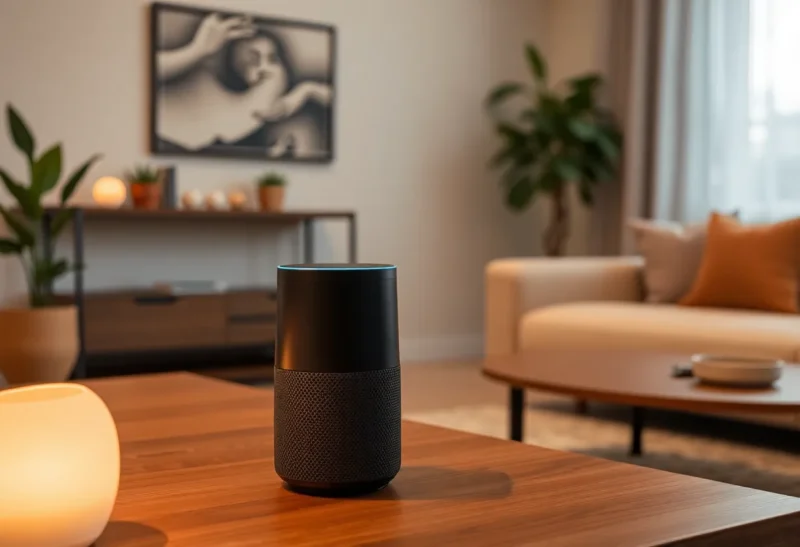
Smart speakers are convenient. Ask for the weather, set a timer, play music—no phone needed. But that convenience comes with a trade-off: a device in your home that’s designed to listen for a wake word and, depending on the vendor, may send audio to the cloud for processing. Whether that trade-off is worth it is a personal choice, but it’s one worth making consciously rather than by default.
What’s Actually Listening
Most smart speakers process the wake word locally—”Hey Google,” “Alexa,” “Siri”—so the device isn’t streaming everything you say. Once you’ve triggered the assistant, though, the next few seconds of audio are typically sent to company servers for speech recognition and command handling. Some devices also allow optional “voice training” or “improve recognition” features that send more data. The exact policies vary by vendor and change over time, so the only way to know what’s happening now is to read the current privacy and device documentation.
The concern isn’t just “are they recording me?” It’s that you have a microphone connected to the internet in a place where you’re likely to have private conversations. Mistakes happen: misheard wake words, accidental triggers, or bugs that send more than intended. Even if the vendor has good intentions, the device is a potential vector for exposure. For some people that’s acceptable; for others it’s a dealbreaker.
What You’re Giving Up
When you add a smart speaker, you’re trusting the manufacturer—and their cloud providers—with whatever audio is processed. That can include requests, follow-up questions, and sometimes background conversation if the wake word is triggered by mistake. You’re also accepting that the device may be updated remotely, so today’s privacy posture might not be tomorrow’s. If that makes you uncomfortable, the only way to avoid the trade-off is not to have one—or to use a device with a physical mute and disciplined habits (e.g., muting when not in use).
Alternatives If the Trade-off Isn’t Worth It
If you decide the trade-off isn’t for you, you can still get a lot of the same functionality. Phone-based assistants don’t require a dedicated speaker in your living room. Smart home control can often be done via phone apps or local hubs that don’t rely on voice. Timers and weather are trivial on a phone or a dumb speaker with a phone nearby. The main thing you’re giving up is hands-free voice in the room—and for some people that’s a small price to pay for one less always-on microphone in the house.
Your smart speaker is a privacy trade-off. Make it consciously.