Why Gadget Subscriptions Are Replacing Ownership—And Who Wins

Reed Kim
February 25, 2026
Phones, headphones, and even laptops are increasingly available as subscriptions. Pay monthly, get the device, upgrade when the plan allows, return or recycle when you’re done. It’s the same shift that happened with software—from buy once to pay ongoing. For gadgets, the pitch is flexibility and always having something current. The question is who really wins: you, the manufacturer, or both?
What’s Driving the Shift
For manufacturers, subscriptions smooth revenue. Instead of a one-time sale and hoping you come back in two years, they get predictable recurring income. They also keep more control: upgrade cycles, trade-in flows, and the ability to lock you into their ecosystem. For consumers, the appeal is lower upfront cost and the option to swap devices without a big lump sum. That’s especially attractive for expensive items—flagship phones, premium headphones—where the sticker price hurts.
The trade-off is that you never stop paying. Own a phone for three years and your cost is fixed; subscribe for three years and you’ve paid whatever the monthly fee adds up to, often with no equity at the end. Whether that’s a win depends on how you value flexibility versus long-term cost.
Who Wins: The Math
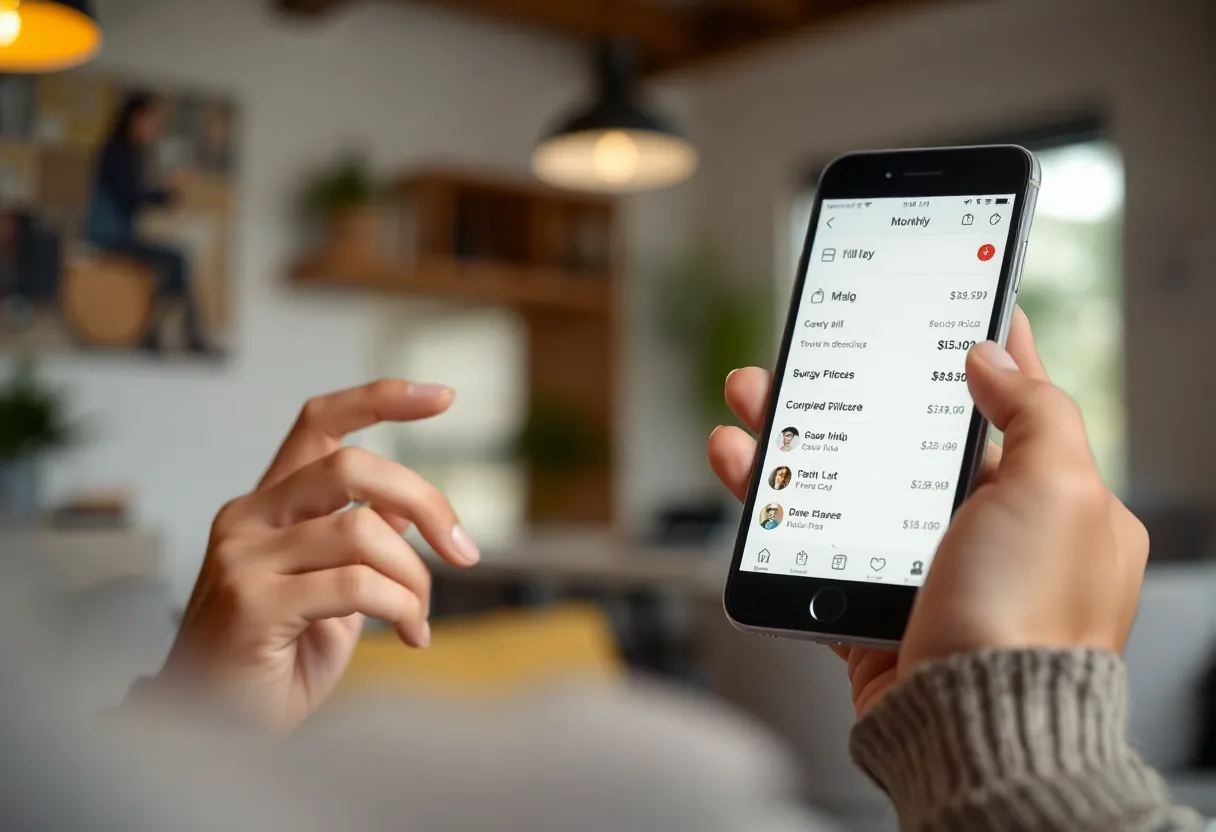
If you upgrade every year or two anyway, a subscription can be comparable or even cheaper than buying and selling—especially if the plan includes insurance, support, or early upgrades. If you keep devices for a long time, ownership usually wins. You pay once and run the device into the ground. Subscriptions favor the upgrade cycle; ownership favors the hold-and-maintain strategy.
Manufacturers and carriers win when they lock in recurring revenue and control the secondary market. They get your trade-in, refurbish or recycle, and resell—or they keep you on a treadmill where you’re always one payment away from the next model. The environment can win if subscription models lead to more refurbishment and less waste—or lose if they encourage more frequent churn. It depends how the programs are designed.

The Fine Print
Subscription terms vary. Some let you own the device after a set period; others require return. Damage, loss, or early exit can trigger fees. Reading the contract matters. So does the total cost: multiply the monthly fee by the length of time you’d realistically keep the device and compare to the purchase price. Sometimes the subscription is a fair deal; sometimes it’s a premium for convenience. There’s no universal answer—only your usage pattern and your math.
When Subscriptions Make Sense
Subscriptions work best when you want to try before you commit, when you need the latest for work or hobby and don’t want to manage resale, or when the plan bundles device plus insurance and support in a way that beats buying separately. They also make sense for high-turnover items—e.g. action cameras or specialty gear you use for a season. For everyday devices you’ll keep for years, buying outright is usually cheaper. The key is to treat the subscription as a choice, not a default, and to compare total cost over your actual usage horizon.
Who Loses
People who forget they’re subscribed lose. So do people who would have been fine with a used or older model but get nudged into always having the latest. The shift to subscriptions can also hurt the secondary market: if more devices are leased and returned, the pool of used gear might grow, but if programs restrict resale or lock devices, it can shrink. Right-to-repair and ownership advocates worry that subscription models are another step toward “you don’t own it, you just use it”—with less control and more dependency on the vendor.
The Bottom Line
Gadget subscriptions are replacing ownership where manufacturers and some consumers see benefit: predictable revenue for them, flexibility and lower upfront cost for you—if you’re in the upgrade-every-few-years camp. Who wins depends on how you use devices, how long you keep them, and what the fine print says. Run the numbers, read the terms, and decide whether you’re paying for convenience or being nudged into a treadmill. Either way, the trend is toward more subscriptions, not fewer. Knowing the trade-offs is the only way to come out ahead.