Why Terraforming Mars Is a Debate We’re Not Ready to Have

Robin Hayes
February 25, 2026

Terraforming Mars has been a staple of science fiction for decades. The idea is seductive: turn a dead world into a second Earth, give humanity a backup plan, and open the door to an interplanetary future. But in the last few years, the conversation has shifted from “could we?” to “should we?”—and we’re nowhere near ready to answer that question honestly.
The Technical Fantasy We Keep Telling Ourselves
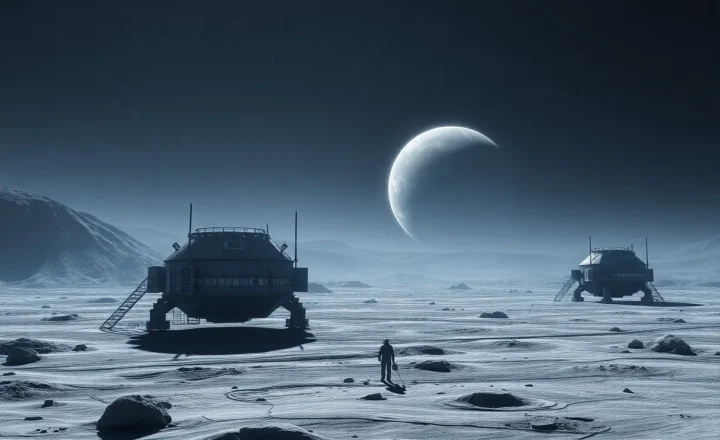
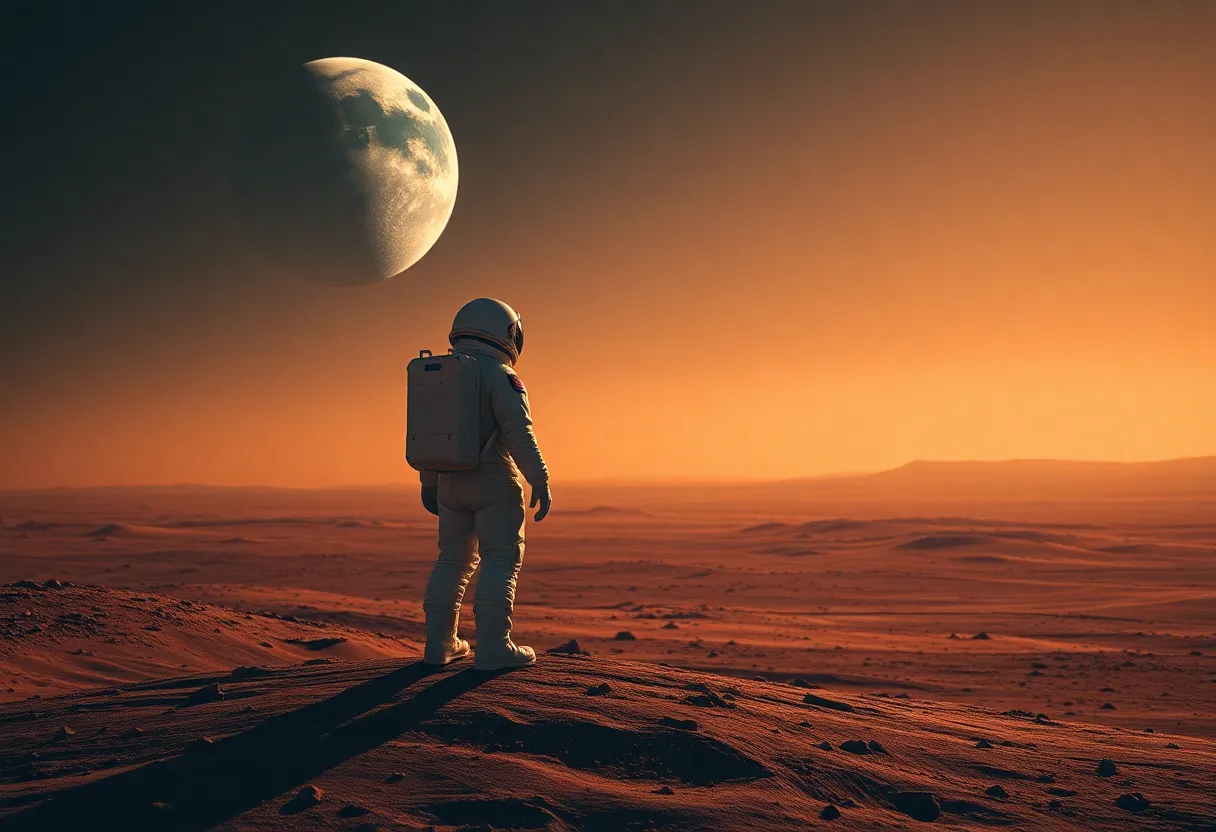
Mars is hostile. The atmosphere is about 1% of Earth’s pressure, mostly carbon dioxide. There’s no magnetic field to speak of, so solar and cosmic radiation pound the surface. Water exists but is locked in ice and perchlorate-laden soil. Making Mars habitable would require thickening the atmosphere, warming the planet, introducing or freeing water, and either generating a magnetic field or finding another way to shield the surface. Proposals range from orbiting mirrors to releasing greenhouse gases from the polar caps to seeding microbes. Each step is a multi-century project with unknowns at every stage.
That hasn’t stopped us from modelling it. Papers get published, conferences get held, and the narrative stays the same: terraforming is hard but theoretically possible. What gets less airtime is that “theoretically possible” often means “we haven’t yet found a reason it’s impossible.” The gap between that and “we know how to do it” is enormous. We’re still learning how Mars’s climate works today; predicting the outcome of planet-scale engineering is a different kind of problem entirely.
Consider the timescales. Even optimistic scenarios talk about centuries or millennia. During that time, political and economic systems would have to stay committed to a goal that no living person would see completed. We can’t even reliably fund five-year space missions without political whiplash. Asking the world to sustain a multi-generational terraforming program is less a technical challenge and more a test of whether we can cooperate at all.

Whose Mars Is It?
Even if we could terraform Mars, we’d run straight into questions we’ve never had to answer. Does Mars have intrinsic value? If we find—or have already found—evidence of past or present life, do we have the right to alter the planet in ways that could erase it? The Outer Space Treaty says we can’t claim sovereignty over celestial bodies, but it says nothing about changing them. We’re making up the ethics as we go.
Then there’s the human cost. Who would fund and govern a centuries-long terraforming effort? Who would decide its goals and its limits? The risk is that the same dynamics that drive inequality and short-term thinking on Earth would simply extend into space. Terraforming could become a project of the wealthy and the powerful, with benefits and risks distributed in ways we’ve already seen fail on this planet.
There’s also the question of Mars itself. Planetary protection isn’t just about not contaminating Mars with Earth microbes—it’s about whether we have the right to reshape a whole world for our convenience. Some argue that Mars is a rock and we’re free to use it. Others argue that once we have the power to alter a planet, we also have the responsibility to ask whether we should. That debate has barely started in the public sphere, and it gets drowned out by the excitement of rockets and the allure of a second home.
The “Backup Planet” Myth
One of the most common arguments for terraforming is that humanity needs a backup. If we ruin Earth—climate change, war, asteroid—having another habitable world could save the species. It’s a comforting story. It’s also a distraction.
Mars will not be a meaningful backup for centuries, if ever. In the meantime, every dollar and every brain hour spent on terraforming research is a resource not spent on fixing Earth’s climate, preserving ecosystems, or building resilience here. The backup-plan argument can subtly encourage the idea that we have an exit strategy, so we don’t need to try as hard at home. That’s dangerous. The only backup that matters in the next few generations is a livable Earth.
That doesn’t mean space exploration is a waste. Understanding Mars, testing life-support systems, and learning to live in closed environments could yield benefits for sustainability on Earth. The issue isn’t exploration—it’s the specific narrative that we’re building a second planet to escape to. That narrative can undermine the urgency of acting where we already live.
What We Should Be Debating Instead
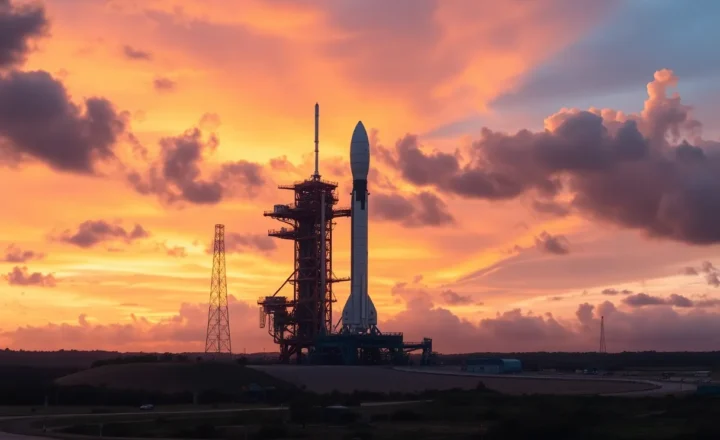
None of this means we should stop exploring Mars. Rovers, sample return, and eventually human missions are worth doing. They teach us about the solar system, drive technology, and force us to think about what we value. The debate we’re not ready to have isn’t “should we go?” It’s “what are we allowed to do when we get there?”
We need clearer norms and eventually treaties about planetary protection, engineering other worlds, and the rights of future generations—both on Earth and on any world we might alter. We need to separate the science of understanding Mars from the fantasy of remaking it, and we need to be honest that terraforming is as much a political and ethical question as a technical one.
In the shorter term, we should support Mars science: rovers, orbiters, sample return, and eventually human exploration with strict planetary protection guidelines. We should fund research into closed-loop life support and in-situ resource use, because those technologies matter whether we ever terraform or not. What we should avoid is treating terraforming as an inevitable next step or a solution to Earth’s problems. It’s a possibility—and a debate we’re not yet equipped to have with the seriousness it deserves.
Until we can have that debate without defaulting to techno-optimism or doom-mongering, we’re not ready to decide whether terraforming Mars is a dream worth pursuing or a distraction we can’t afford. The conversation has to grow up before the technology does.