Zigbee vs Thread vs Z-Wave in 2026: A Buyer’s Honest Guide

Drew Morrison
April 6, 2026
If you are building or upgrading a smart home in 2026, you will keep seeing three names on boxes: Zigbee, Thread, and Z-Wave. Sales copy will promise seamless magic. Reality is messier—three different radio stories, three different ecosystem habits, and one universal truth: the best protocol is the one your devices and hub can agree on without turning you into full-time tech support.
Why protocols still matter when Matter exists
Matter is the industry’s attempt to make devices interoperate at the application layer. That is good news for buyers. It does not erase the physics underneath: gadgets still speak over something—often Thread or Wi-Fi—while older gear still clings to Zigbee or Z-Wave. Think of Matter as a shared language, not a replacement for every radio overnight.
So the honest buyer question is not “Matter or not?” It is: Which low-power mesh stack fits my house, my platform, and my tolerance for tinkering?
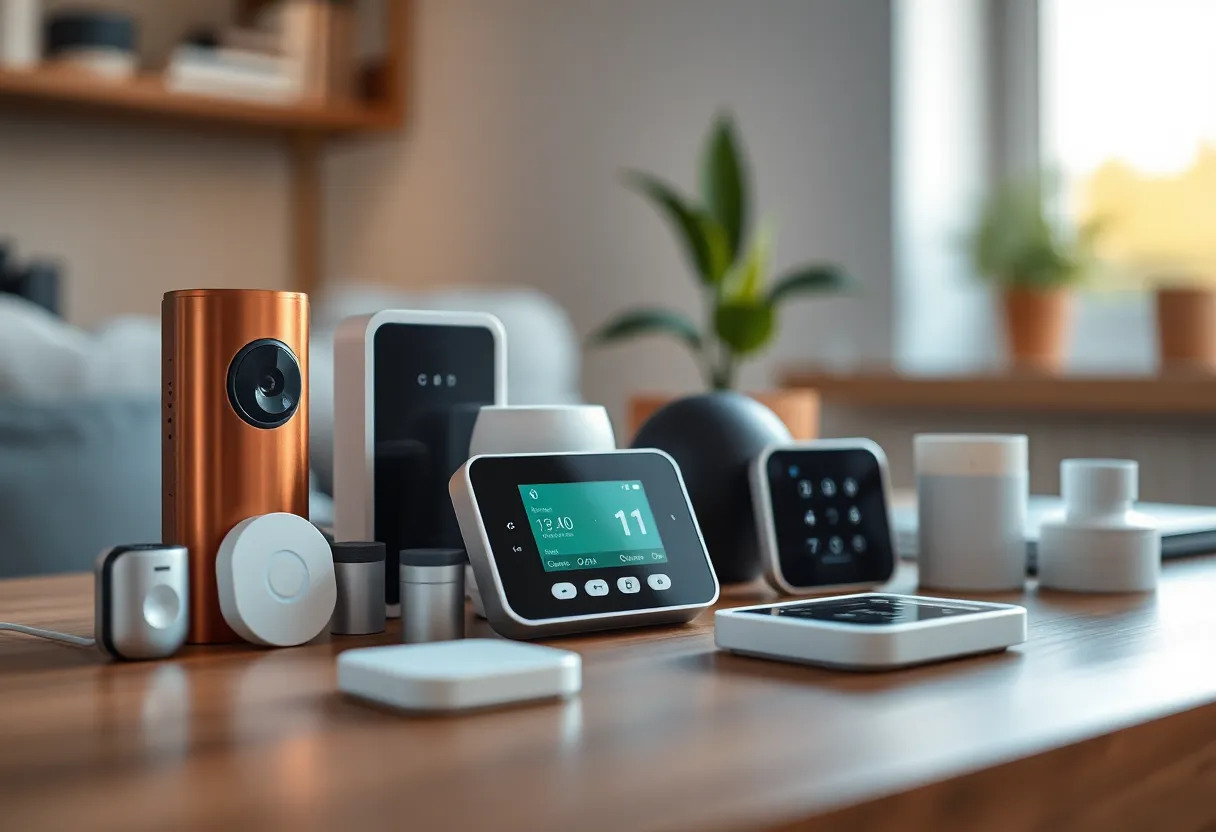
Zigbee: the workhorse mesh
Zigbee is a mature, low-power mesh protocol built on IEEE 802.15.4-style radios (typically 2.4 GHz). It powers a huge catalog: lights, sensors, plugs, and oddball gadgets from many brands. Strengths include wide hardware availability, competitive pricing, and a mesh that can self-heal if you place repeaters sensibly.
Weaknesses are the usual 2.4 GHz headaches: Wi-Fi congestion, microwave ovens, and cheap USB 3.0 noise neighbors. Zigbee also suffers from “same protocol, different app” syndrome unless you standardize on a hub that exposes devices cleanly to your platform of choice.
Thread: IP-native mesh built for the Matter era
Thread is also low-power and meshy, but it is designed around IPv6 concepts and plays nicely with Matter’s modern device model. Many new accessories—especially sensors and locks targeting Apple and Google homes—ship with Thread radios because they pair well with border routers built into speakers, hubs, and Apple TV-class hardware.
Thread’s practical advantage is ecosystem momentum for new SKUs. Its practical downside is that you need Thread border routers in the right places, and your home’s layout still determines whether the mesh feels invisible or flaky.
Z-Wave: conservative, sub-gigahertz, and picky in a good way
Z-Wave traditionally operated in sub-1 GHz bands (region dependent), which often penetrates walls better than 2.4 GHz and sidesteps Wi-Fi interference. The ecosystem tends to be curated through a certification mindset, which sometimes means fewer bargain-bin devices—and fewer nasty surprises.
Trade-offs: Z-Wave gear can cost more, and you are buying into a vendor ecosystem with its own hub expectations. Also keep an eye on generational changes (700-series and beyond): most buyers should not panic, but mixing very old and very new hardware without checking compatibility is how weekends disappear.
Head-to-head: what actually differs in daily life
- Interference — Zigbee shares airtime with busy Wi-Fi; Z-Wave often dodges it; Thread can be excellent when border routers are well placed.
- Range and mesh — all three can mesh; real-world results depend on device density, powered repeaters, and wall materials.
- Device selection — Zigbee remains vast; Thread is growing quickly; Z-Wave is narrower but deep for security-minded accessories.
- Platform fit — Apple-centric homes often lean Thread/Matter; Samsung SmartThings users historically saw lots of Zigbee; Z-Wave hubs remain popular with HA tinkerers.
How to choose without regretting your credit card
- Pick your brain first — Home Assistant, HomeKit, SmartThings, Alexa, or a vendor silo? Your hub dictates sensible radios.
- Inventory what you already own — replacing ten working sensors because of ideology is expensive therapy.
- Prefer Matter-labeled new purchases where pricing is sane, knowing the underlying transport may be Thread or Wi-Fi.
- Plan repeaters on purpose — mesh protocols need powered nodes in useful places; battery devices rarely repeat.
- Keep one source of truth — fewer apps, fewer cloud accounts, fewer mysterious offline incidents.
Repeaters, smart bulbs, and the “why is my mesh weird?” corner
Many mesh problems are actually topology problems. Battery-powered door sensors and buttons are terrible repeaters—by design. Mains-powered bulbs and plugs often repeat, but they can also move: someone unscrews a “repeater bulb” to read at night, and suddenly half your bedroom sensors fall offline.
If you want stability, plan at least a couple of dedicated repeating devices that nobody treats like a toy. For Zigbee and Thread, map where Wi-Fi access points blast 2.4 GHz and try to reduce overlap on the same channels your mesh prefers. For Z-Wave, remember regional frequency rules when you import hardware—nothing kills enthusiasm like a perfectly good stick on the wrong band.
Security and longevity: boring, important
Protocol choice is not a security guarantee. Bad firmware is bad firmware. What matters is whether your vendor ships updates, whether local control is available when the cloud blinks, and whether you can revoke access when a housemate moves out. Thread and Matter’s modern models can help with pairing hygiene, but they do not replace common sense: change default passwords, segment IoT when you can, and retire gadgets that stop patching.
Bottom line for 2026 buyers
Choose Zigbee when you want maximum hardware choice at aggressive prices and your hub supports it well. Choose Thread when you are buying forward-compatible Matter accessories and you already have—or will add—solid border routers. Choose Z-Wave when you want sub-GHz resilience and are willing to pay a premium for a tighter, security-conscious ecosystem.
And if someone tells you one protocol “always wins,” ask them which walls are in your house. Radio performance is local. The best guide is not tribal loyalty—it is a floor plan, a hub decision, and a commitment to placing mesh nodes where physics says they belong.