Why Your Wireless Earbuds Are Collecting More Data Than You Think

Lena Kowalski
March 1, 2026
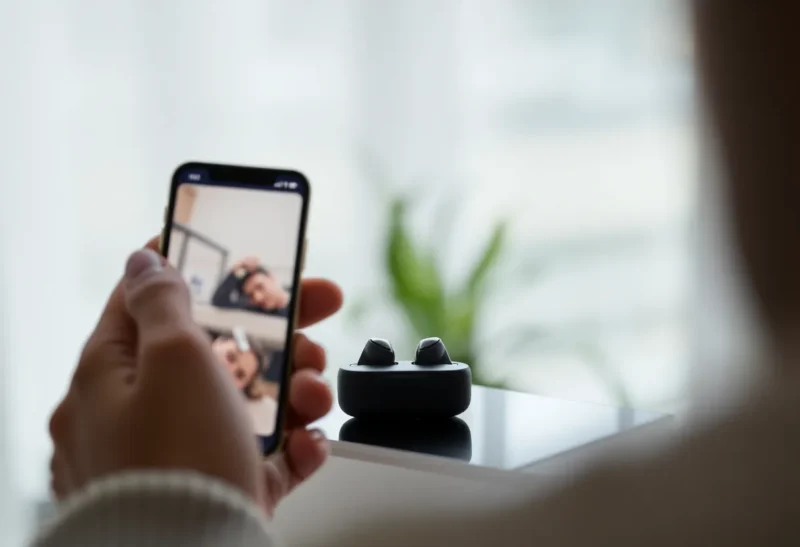
Your wireless earbuds connect to your phone, stream your music, and maybe track your steps. They also collect data: usage patterns, battery life, connection quality, and—in some models—health metrics like heart rate or head movement. That data flows to the manufacturer. Most people never think about it. Here’s what’s actually being collected, where it goes, and what you should know.
What Wireless Earbuds Actually Collect
Wireless earbuds are small computers. They run firmware, maintain Bluetooth connections, and often pair with companion apps. Those apps request permissions: location, health data, microphone access, storage. Users tap through without reading. The result: earbuds can collect usage duration, listening preferences, battery cycles, connection drops, and—for fitness-oriented models—heart rate, steps, and workout metrics. Some use in-ear sensors for health features; that data is valuable for product improvement and, in some cases, third-party sharing.
The companion apps often sync with cloud services. Your listening history, device diagnostics, and health metrics can be stored on manufacturer servers. Privacy policies vary—some brands are explicit about data use; others bury the details. The common thread: when you use the app, you’re feeding a data pipeline. The earbuds themselves may collect less; the app ecosystem collects more.

Where the Data Goes
Manufacturers use the data for product improvement, analytics, and—in some cases—advertising or partnerships. Aggregated, anonymized data helps tune algorithms and design new features. Individual data can be tied to your account for personalization. The line between “improving the product” and “building a profile” is blurry. Some brands sell or share data with third parties; others claim they don’t. The only way to know is to read the privacy policy—and even then, policies change.
Health data is sensitive. In many jurisdictions, it’s subject to stricter regulations (HIPAA in the US, GDPR in the EU). Earbuds that collect heart rate or fitness metrics may treat that data differently from generic usage stats. But “may” doesn’t mean “will.” Enforcement is inconsistent. The safest assumption: if the earbuds collect it, the manufacturer has it—and you should understand how they use it.
What You Can Do
First, audit app permissions. Deny location, health, or microphone access unless you explicitly need those features. Many earbuds work fine without full app integration—you lose some features, you gain privacy. Second, check privacy settings in the companion app. Some brands offer opt-outs for analytics or personalized recommendations. Use them if they exist.
Third, consider earbuds with minimal app dependency. Not all models require a companion app for basic use. Pair via Bluetooth, skip the app, and you’ve reduced the data surface. Fourth, read the privacy policy. It’s tedious, but it’s the only way to know what’s collected and shared. If the policy is vague or changes frequently, treat that as a red flag.
The Bottom Line
Wireless earbuds are convenient—and they’re data collectors. Usage stats, health metrics, and app analytics flow to manufacturers. Most of it is framed as “improving the product.” Some of it feeds advertising or partnerships. The only way to control it is to limit permissions, opt out where possible, and choose products with transparent privacy practices. Your earbuds hear more than your music. Make sure you know what they’re reporting back.