Why Your Phone’s Satellite SOS Feature Matters More Than You Think

Halima Okafor
March 7, 2026
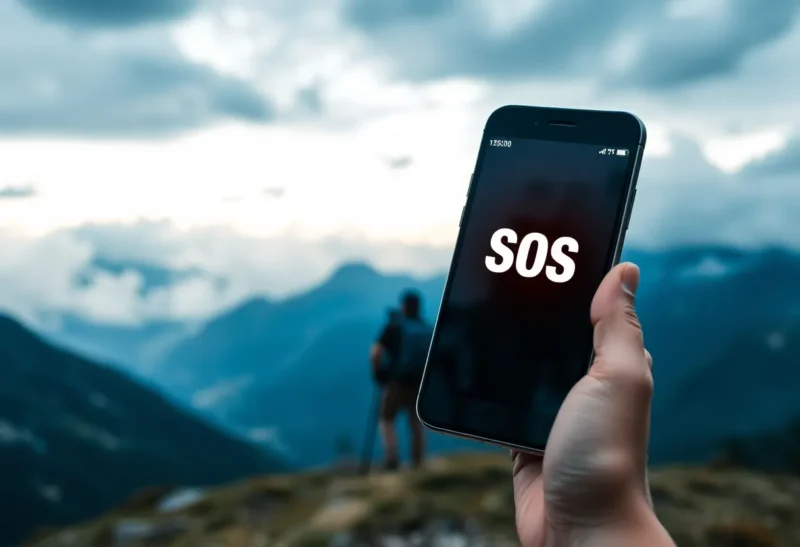
Apple, Google, and a growing number of Android makers have added satellite SOS to their flagship phones. When you’re out of cellular range—on a trail, in a canyon, or after a disaster—you can still send an emergency message and share your location via satellite. Most people will never trigger it. But for the ones who do, it can mean the difference between a long, dangerous night and a coordinated rescue. And for everyone else, it’s a quiet shift in what we expect from a phone: connectivity is no longer strictly tied to the cellular grid.
Where Cellular Stops
Cell towers are built where people live, work, and travel in large numbers. Once you leave the highway, the trailhead, or the marina, coverage gets spotty or disappears. Hikers, boaters, backcountry skiers, and road-trippers have always known that “no bars” means you’re on your own until you get back in range. Satellite SOS doesn’t fill in the map with broadband; it provides a narrow but critical link: short text messages and location to emergency services when nothing else works. That’s not a replacement for a dedicated emergency beacon (like a PLB or inReach) for serious adventurers, but it’s a safety net that didn’t exist for the average person a few years ago.
How It Works (And What It Costs)
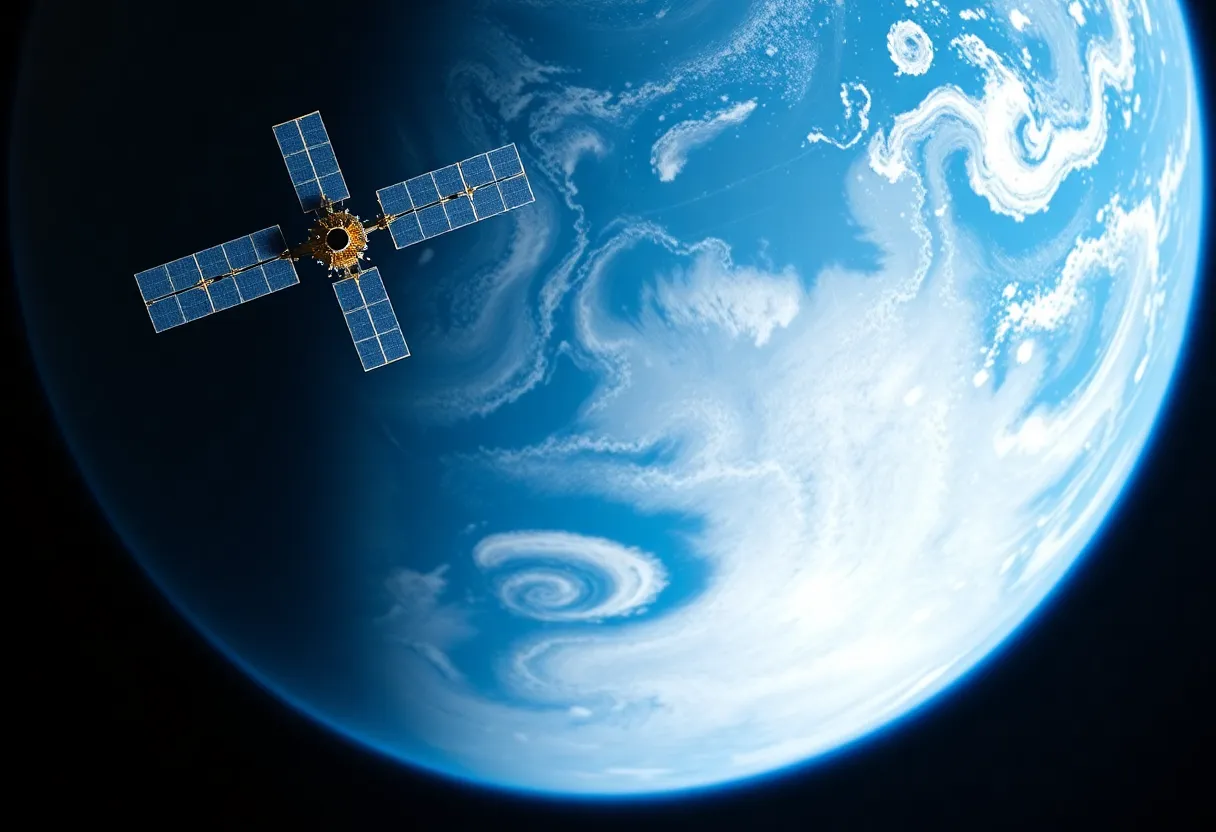
Your phone talks to satellites in low Earth orbit—either a commercial constellation (e.g. Globalstar for Apple, or partners for Android) or, in the future, more diverse networks. The link is slow and line-of-sight: you usually need a clear view of the sky and may need to point the phone. Messages are short and can take seconds or minutes to send. That’s by design: the system is for emergencies, not streaming. On Apple, Emergency SOS via satellite is included for a limited time (often two years) from purchase, then may require a subscription; Android implementations vary. The important thing is to know whether your phone has it, how to trigger it, and whether you’re still within the free period or need to pay.
Setup is simple but not automatic. You typically enable the feature in settings and may need to complete a short test or onboarding flow so the system has your emergency contacts and preferences. Do that before you head into the backcountry. The last time you want to learn how satellite SOS works is when you’re injured and out of range.
Why It Matters Beyond the Obvious
Disasters are the other big use case. When hurricanes, earthquakes, or floods take out cell towers and power, terrestrial networks go dark. Satellite links don’t depend on local infrastructure. So even if the grid is down, a phone with satellite SOS can still get a message out. That doesn’t fix the power problem—your phone still needs battery—but it does mean that “no signal” after a disaster isn’t always permanent. First responders and families can coordinate; people can say they’re alive and where they are. It’s a small piece of resilience that could matter a lot in the wrong place at the wrong time.
There’s also the psychological shift. Knowing you have a last-resort link can make remote travel and outdoor recreation feel less reckless. You’re not completely off the grid; you have a lifeline. That doesn’t mean you should skip preparation—tell someone your plans, carry supplies, and consider a dedicated beacon for serious trips—but it does mean one more layer between you and a worst-case scenario.
The technology is still evolving. Early implementations required you to hold the phone in a specific orientation and wait; newer software has improved pointing guidance and connection times. As more satellites go up and more phones add the feature, coverage and reliability will improve. We’re in the first generation of mass-market satellite SOS; it’s already useful, and it will only get better. Taking it for granted or ignoring it would be a mistake—this is one of those features that’s easy to overlook until the day it matters.
Limitations and When to Bring More
Satellite SOS is not two-way broadband. You’re sending short messages and location; you’re not browsing or calling. It can take time to establish a link and get a response. In dense forest, deep canyons, or bad weather, the signal may not get through. And if your battery is dead, the feature is useless. So it’s a backup, not a substitute for telling people where you’re going and when you’ll be back. For professional or high-risk use (e.g. solo mountaineering, long ocean passages), a dedicated satellite communicator with longer battery life and proven reliability is still the right call. For everyone else, satellite SOS is a meaningful upgrade to the safety net that lives in your pocket.
The Bottom Line
Your phone’s satellite SOS feature might feel like a checkbox on a spec sheet until you need it. When you’re out of range or the grid is down, it’s a way to call for help and share your location when nothing else works. Check if your phone has it, how to use it, and whether it’s still free or requires a plan. Then go outside—but with one more link to the rest of the world.