Physical SIM cards have been the default for decades: you get a little plastic chip, pop it in, and you’re on a network. But in 2026, more phones ship without a SIM tray at all. Apple dropped it from U.S. iPhones in 2022; others have followed. eSIM—an embedded, programmable identity stored in the device—is becoming the norm in many regions. Your next phone might not have a SIM card slot because carriers and manufacturers are betting that eSIM is simpler, more flexible, and eventually cheaper to support. Whether that’s good for you depends on where you live, how you travel, and how much you value the ability to swap carriers or use a local SIM abroad.
What eSIM Actually Is
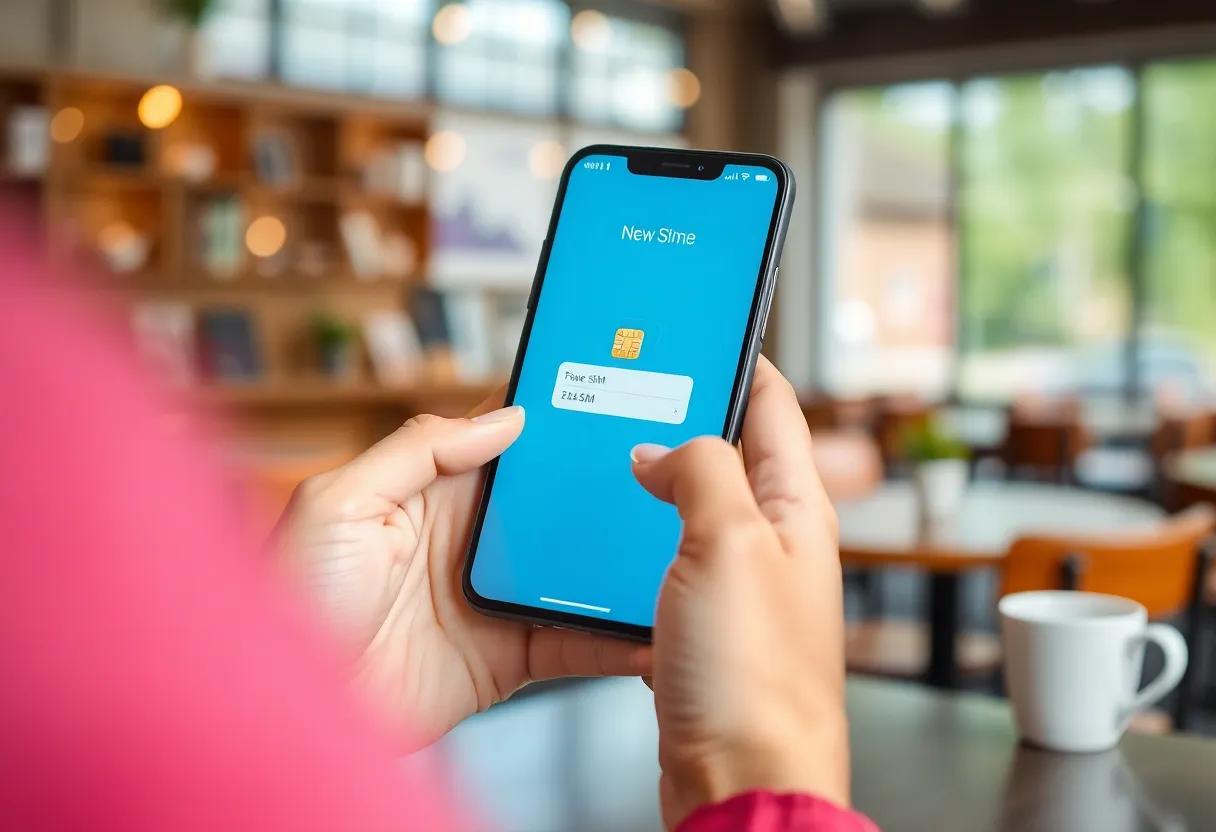
An eSIM is a small chip built into the phone that holds carrier credentials. Instead of a physical card, you download a “profile” from your carrier or a third-party provider. The phone can store multiple profiles and switch between them in settings—no tray, no tiny card to lose. Activation is typically done via QR code or an app. For carriers, it means no plastic, no shipping, and fewer visits to a store. For you, it can mean switching plans or adding a travel data line without waiting for mail or finding a SIM ejector.
The technical standard (GSMA-backed) has been around for years; adoption in phones lagged until Apple and others pushed it into the mainstream. Today, eSIM is supported on most recent iPhones and many Android devices. The main limitation is carrier and region: not every operator has rolled out eSIM provisioning, and some still treat it as a premium or postpaid feature. As that changes, the physical SIM becomes optional and then absent on more devices.
Where eSIM Is Already the Default
In the U.S., major carriers have supported eSIM for years, and Apple’s iPhone 14 and later (sold in the U.S.) are eSIM-only. Android flagships from Samsung, Google, and others often offer dual eSIM or eSIM plus a physical SIM slot in the same device. In many European and Asian markets, you still get a tray—either because of regulation, carrier preference, or the need to support prepaid and local SIMs that haven’t gone fully digital. So “your next phone” might still have a slot if you’re buying outside the U.S. or choosing a model that retains it. The trend, though, is toward eSIM-first or eSIM-only in high-end and mid-range devices.
The Upsides: Flexibility and Less Friction
With eSIM, you can add a second line for work or travel without a second physical card. Dual-SIM behavior (two numbers on one device) is common. When you travel, you can buy a data-only eSIM from a regional or global provider and activate it before you land—no hunting for a kiosk or a store with the right SIM size. For people who switch carriers or plans often, eSIM makes that a software flow instead of a hardware swap. And there’s no risk of damaging or losing a tiny card.
Manufacturers also gain: no SIM tray means one less hole in the chassis, which helps with water resistance and design simplicity. Less plastic and logistics is a small environmental win. For carriers, eSIM reduces fraud (no stolen or cloned physical SIMs in the same way) and makes it easier to offer instant activation and plan changes. The industry has every incentive to push eSIM-only in mature markets.
The Downsides: Lock-in and Coverage Gaps
Not every carrier supports eSIM, and support varies by country. In some places, prepaid and budget carriers still rely on physical SIMs; if your phone has no tray, you’re locked out of those options. Switching devices is also a bit more involved—you have to transfer the eSIM profile or get a new one from the carrier, rather than just moving a card. If your phone dies or is lost, recovering service can mean contacting the carrier to reissue the profile. And in regions where eSIM adoption is slow, finding a local plan that works with your eSIM-only device can be harder than buying a cheap physical SIM at the airport.
There’s also a lock-in angle. With a physical SIM, you can pull the card and put it in another device in a pinch. With eSIM, the profile is tied to the device and the carrier’s systems. Moving to a new phone usually requires either carrier-assisted transfer or scanning a new QR code and sometimes deactivating the old profile. It’s manageable but less “grab the card and go” than the old way. For people who use backup phones or swap devices often, that can be annoying.
What to Do Before Your Next Purchase
Check whether the model you want has a SIM tray in your region. If it doesn’t, confirm that your current carrier and any travel carriers you care about offer eSIM. For frequent travelers, look at global eSIM providers (e.g. Airalo, Truphone) to see if they support your device and destinations. If you depend on a local prepaid or niche carrier that’s still physical-SIM only, a phone without a tray might be a dealbreaker. For everyone else, eSIM is likely to be the default—and your next phone might not have a SIM card at all.
The shift away from the physical SIM is gradual but real. In the U.S., it’s already the norm for many new iPhones. Elsewhere, dual-SIM (one physical, one eSIM) or eSIM-only will spread as carriers and OEMs align. Your next phone might not have a SIM card because the industry has decided that the benefits of eSIM—flexibility, less friction, simpler hardware—outweigh the downsides for most users. Knowing the trade-offs helps you choose the right device and plan before you’re stuck without a tray.