Why Your Home Office Setup Is the Wrong Place to Optimize First

Taylor Kim
March 7, 2026

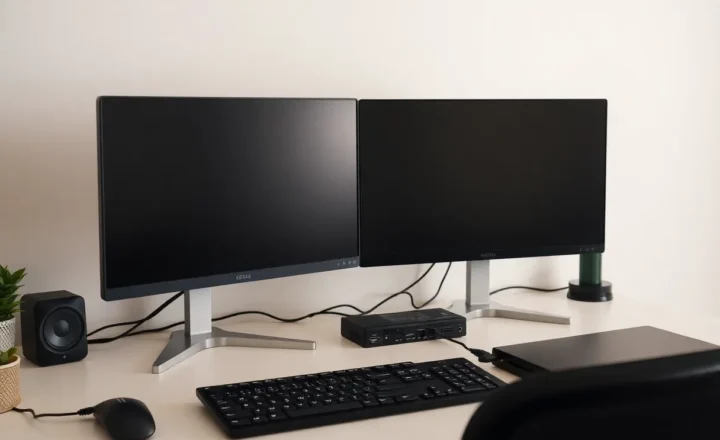
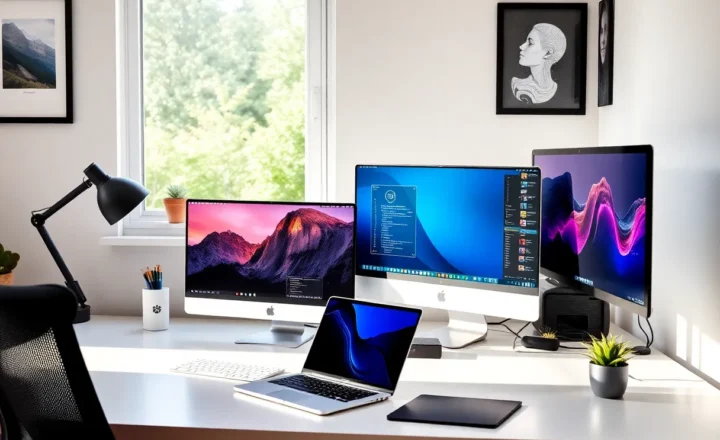
Remote workers obsess over desks, monitors, and chairs. Standing desks, 4K displays, mechanical keyboards—the home office has become a productivity playground. But here’s the uncomfortable truth: for most people, the setup matters less than they think. The biggest gains come from elsewhere: sleep, boundaries, and how you structure your day. Optimising your desk before fixing those is putting the cart before the horse.
That’s not to say a good setup doesn’t help. It does. A decent chair reduces back pain. A second monitor can speed up workflows. But the marginal returns on gear diminish quickly. The marginal returns on sleep, focus, and boundaries are enormous. Most people would see a bigger productivity bump from an extra hour of sleep than from a $500 monitor upgrade.
Where the real gains are
Sleep dominates. Chronic sleep deprivation tanks focus, creativity, and decision-making. A well-rested person on a cheap desk outperforms a sleep-deprived person on an ergonomic throne. If you’re optimising your office but burning midnight oil, you’re optimising the wrong thing.
Boundaries matter too. When work and home blur, burnout follows. A physical separation—even a corner of a room—helps. So does a shutdown ritual: close the laptop, turn off notifications, end the day. Gear can’t fix a culture of always-on.
Focus systems beat gear. Time blocking, deep work sessions, and eliminating distractions often deliver more than a better keyboard. The best setup in the world won’t help if you’re constantly context-switching. Apps and notifications fragment attention. A $300 monitor upgrade won’t fix that—turning off Slack might.
The productivity industry sells gear. Desks, chairs, monitors, keyboards—each promises a boost. Some of it works. Most of it is marginal. The industry has an incentive to make you think the next purchase will change everything. It rarely does. The fundamentals—rest, boundaries, focus—are boring. They’re also free. Start there.
When the setup actually matters
Setup matters when it’s actively harmful. A terrible chair that causes pain. A screen so small you squint. A desk so low you hunch. Fix those first. They’re not optimisations; they’re repairs.
After that, the gains are incremental. A second monitor might save a few seconds per task. A better keyboard might reduce fatigue over long sessions. Those are nice. They’re not transformative. Treat them as polish, not foundation.
The bottom line
Don’t skip the basics: sleep, boundaries, and focus. Optimise your home office setup after—or in parallel—but not instead. The best productivity hack is still rest.