Why Wi-Fi Is Called Wi-Fi (And Other Tech Etymology That Surprises)

David Shaw
February 26, 2026
Wi-Fi doesn’t stand for “wireless fidelity.” Bluetooth isn’t named after a tooth. And a lot of the tech terms we use every day have backstories that are weirder or more accidental than you’d guess. Here’s the real etymology behind a few of them—and why it matters that we get it wrong.
Wi-Fi: Not an Acronym
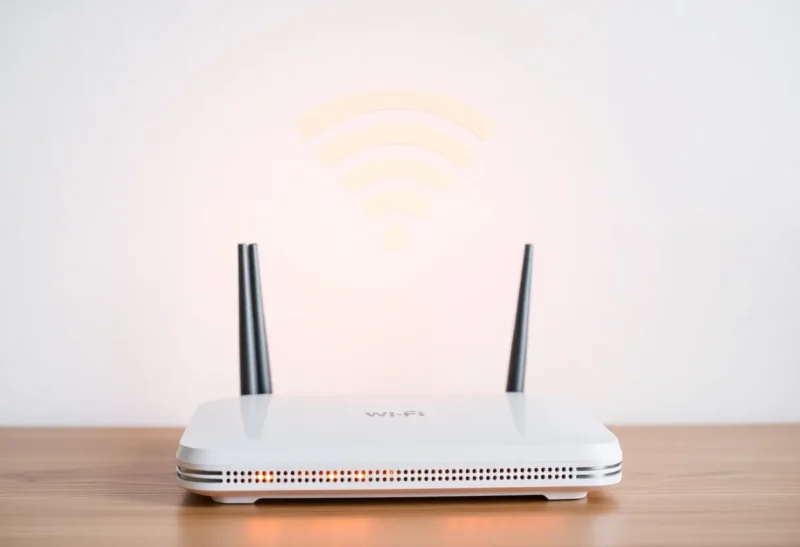
The Wi-Fi Alliance needed a catchy name for the technology that would become 802.11 wireless networking. “Wireless fidelity” was a marketing story cooked up later to make the name sound like hi-fi (high fidelity)—but Wi-Fi was never an acronym for that. It was a brand name chosen for being memorable and suggestive of wireless. The “Wi” was meant to evoke “wireless”; the “Fi” was just there to make it stick. So when someone says “Wi-Fi stands for wireless fidelity,” they’re repeating a retrofitted myth. The real answer is: it’s a brand that caught on, and the “meaning” came after.

Bluetooth: King Harald’s Tooth
Bluetooth really is named after a historical figure—Harald Bluetooth, a 10th-century king who united parts of Scandinavia. The idea was that the tech would “unite” devices the way Harald united tribes. The name was proposed by an Intel engineer and stuck. So unlike Wi-Fi, Bluetooth has a real (if odd) etymology: a Viking king, not a literal blue tooth. The logo is actually a bind rune combining the runes for H and B—Harald Bluetooth’s initials.
@ and the Rest of the Keyboard
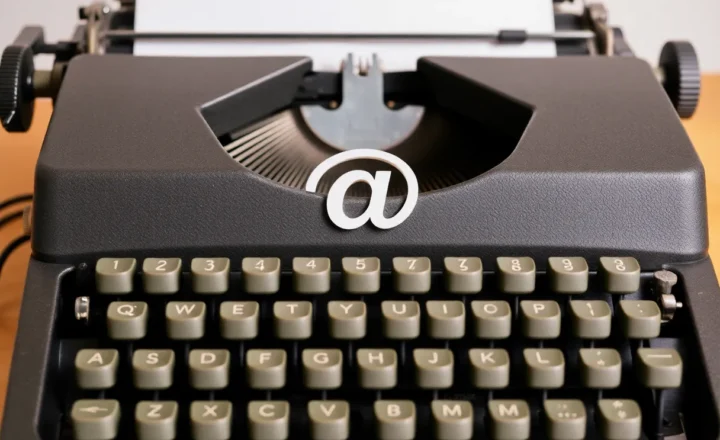
The @ symbol has been around for centuries—in commerce, it meant “at” (e.g., 5 apples @ 10¢). Ray Tomlinson chose it for email in 1971 because it wasn’t used in names and clearly separated user from host (user@host). So “@” in email is a repurposed accounting symbol. The hashtag (#) started as “number” or “pound” in North America; “hash” caught on in computing. The octothorpe story—that Bell Labs engineers named it—is partly legend, but the symbol’s path from telephony to Twitter is real. Small choices, big cultural footprint.

Why Etymology Actually Matters
Knowing that Wi-Fi isn’t “wireless fidelity” doesn’t change how your router works. But tech etymology is full of these corrections—and they remind us that a lot of tech history is marketing, accident, and folklore. Names get attached to things after the fact; acronyms get invented to fit the brand. When we repeat the wrong story, we’re passing on myth instead of history. Getting it right is a small act of clarity. And sometimes the real story—a Viking king, a 1971 email experiment, a made-up word that stuck—is more interesting than the fake one.
The Bottom Line
Wi-Fi is a brand, not an acronym. Bluetooth is named after a king. @ was borrowed from accounting for email. Tech etymology is full of surprises—and a lot of stories we tell each other are wrong. The next time someone “corrects” you with “wireless fidelity,” you can correct them back.