Why Urban Scooters and Bikes Still Can’t Solve the Last Mile

Remy Torres
March 7, 2026

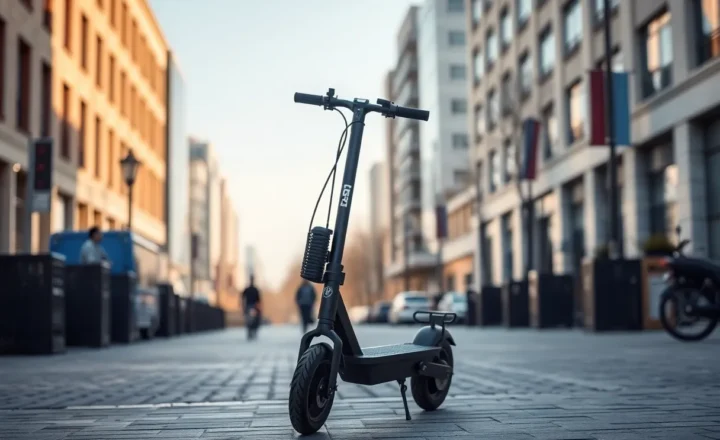
Electric scooters and shared bikes were supposed to solve the last mile—the gap between transit stops and your final destination. Dockless scooters arrived in cities with fanfare. Venture capital poured in. Cities scrambled to regulate. A decade in, the last mile problem persists. Why?
Infrastructure Was Built for Cars
Most American cities were designed around cars. Streets are wide; bike lanes are scarce or nonexistent. Scooters and bikes share space with traffic or compete for sidewalk space with pedestrians. That makes riding uncomfortable, unsafe, or both. The solution—protected bike lanes and micromobility corridors—requires political will and capital investment that most cities haven’t committed.
Without safe infrastructure, micromobility remains a niche option. Commuters who might ride a scooter from the subway to the office won’t risk a lane of traffic. Parents won’t put kids on scooters without protected paths. The last mile gap isn’t just about availability—it’s about whether the route feels safe.
The Economics Don’t Work
Shared scooters and bikes are expensive to operate. They get vandalized, stolen, and left in rivers. They need daily charging and redistribution. Revenue per ride is low; unit economics are brutal. Lime and Bird have scaled back or exited markets. Many cities have seen operators come and go. The free-floating model—drop a scooter anywhere—created convenience and chaos in equal measure.
Docked systems (Citi Bike, Biketown) work better economically—fixed locations reduce rebalancing and damage—but they require upfront infrastructure and don’t cover the same geography. The last mile is often the hardest mile to serve profitably.
Regulation Lagged
Cities weren’t ready for dockless scooters. Rules varied wildly: some cities banned them, some embraced them, most cobbled together temporary permits. Speed limits, parking rules, and liability remained unclear. The regulatory whiplash made it hard for operators to plan and for users to know what was allowed.
Some cities have since created clearer frameworks—designated parking, geofencing, caps on fleet size—but the damage was done. The “move fast and break things” approach burned goodwill with pedestrians, property owners, and city officials.
Weather and Geography
Scooters and bikes work in flat, dry, temperate climates. They’re less useful in rain, snow, or heat. Hills make bikes impractical for casual riders. Sprawl—suburban office parks, low-density housing—makes the last mile too far for a scooter. The cities where micromobility could work best often have the least supportive geography and weather.
What Would Actually Help
Solving the last mile requires more than scooters. It requires protected infrastructure—bike lanes, scooter corridors, safe connections from transit to destinations. It requires integrated planning—transit agencies, cities, and operators working together instead of in silos. It requires land use that supports density—shorter distances make micromobility viable.
Scooters and bikes can be part of the mix. But they’re not magic. The last mile problem is a design problem. Until cities design for it, micromobility will remain a partial solution at best.
The Substitution Problem
Another reality: scooters and bikes often substitute for walking, not driving. Studies suggest many scooter trips replace pedestrian trips rather than car trips. That reduces congestion and emissions less than advocates hoped. The last mile problem isn’t just about getting people from transit to door—it’s about getting people out of cars. Micromobility helps, but it’s not the silver bullet.
The Bottom Line
Urban scooters and bikes were oversold. They’re useful in the right contexts—flat cities with good infrastructure, dense urban cores, short gaps between transit and destination. But the last mile problem is bigger than scooters. It’s about land use, infrastructure, and political will. Micromobility is part of the toolkit—not the whole solution.