We use @ every day—in email addresses, handles, and replies. But the symbol has a history that long predates the internet. It was used in commerce, accounting, and typewriters before Ray Tomlinson chose it for email in 1971. Here’s the story nobody really talks about.
Before Email: Commerce and Typewriters
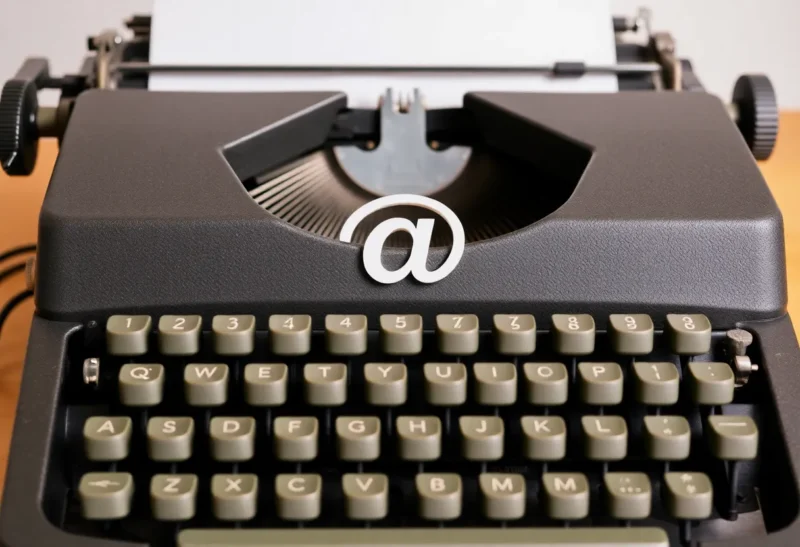
The @ symbol appears in medieval manuscripts and in commercial notation for centuries. In many languages it meant “at” or “each”—as in “5 apples @ 10¢” or “sold @ the market.” It was on typewriter keyboards by the late 19th century because merchants and clerks needed it for invoices and ledgers. So when computing came along, @ was already a familiar character—and it was sitting there on the keyboard, rarely used in programming or in names. That made it perfect for a new role.
Why Tomlinson Picked @ for Email
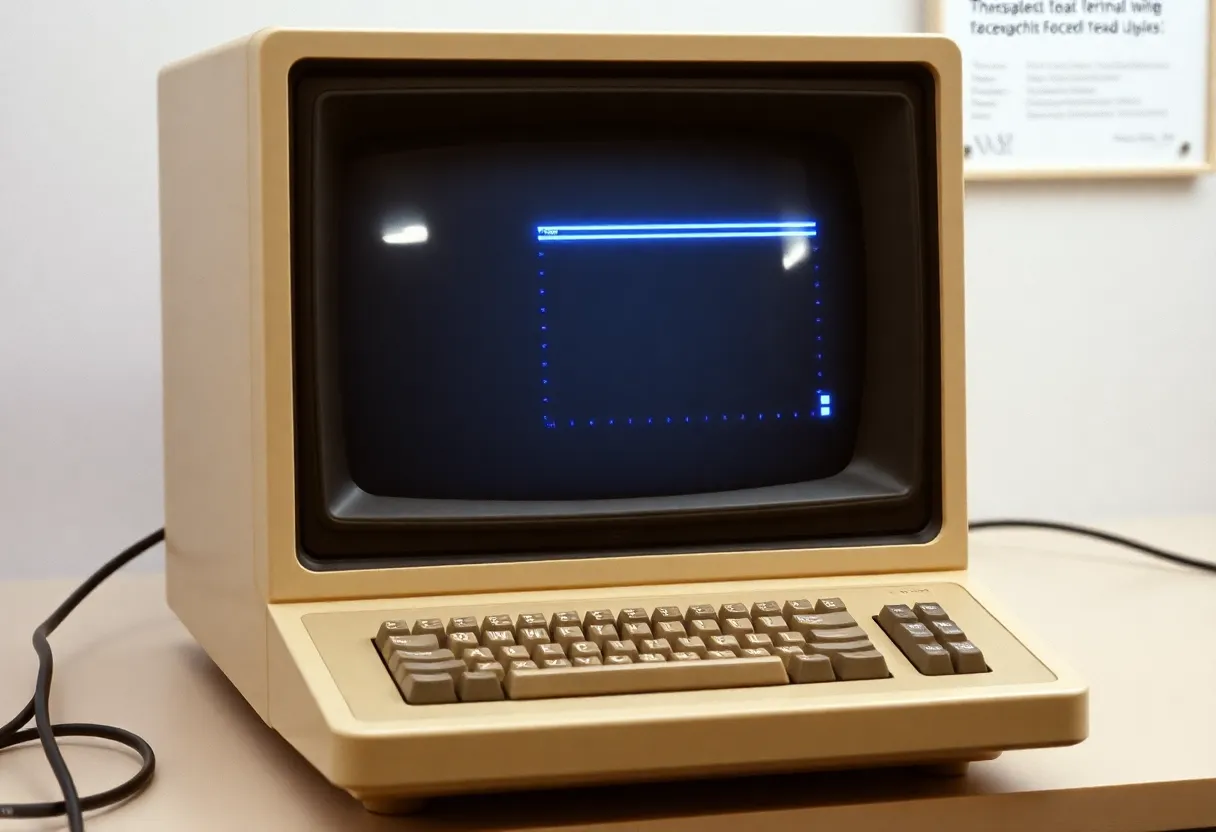
When Ray Tomlinson was building the first networked email in 1971, he needed a character to separate the user’s name from the host machine name. It had to be something that wouldn’t appear in a person’s name or in the hostname. He looked at the keyboard and chose @. It was already there, it read naturally as “at” (user at host), and it wouldn’t conflict with existing naming rules. So the format user@host was born—and with it, the symbol’s permanent link to email and digital identity. Tomlinson didn’t invent @; he gave it a new job that stuck.
The Name and the Legacy
Different languages have different names for @: “at” in English, “arroba” in Spanish (from an old weight measure), “monkey tail” or “snail” in some regions. In tech it’s universally “at.” That one character now separates not just user and host but identities across social networks, handles, and logins. It’s a small piece of infrastructure that shaped how we address each other online. The history is mostly quiet—no big marketing campaign, just a practical choice that became part of the fabric of the internet.
The Bottom Line
The @ symbol in email has a long history: commerce, typewriters, and then one engineer’s decision in 1971. It wasn’t invented for the internet—it was borrowed and repurposed. That kind of accident and reuse is everywhere in tech. The next time you type @, you’re using a character that’s been around for centuries and only got its current meaning because someone needed a separator that wouldn’t show up in a name. Small choices, lasting consequences.