Why Most Smart Home Devices Will Outlast the Companies That Made Them

Sage Collier
July 7, 2026
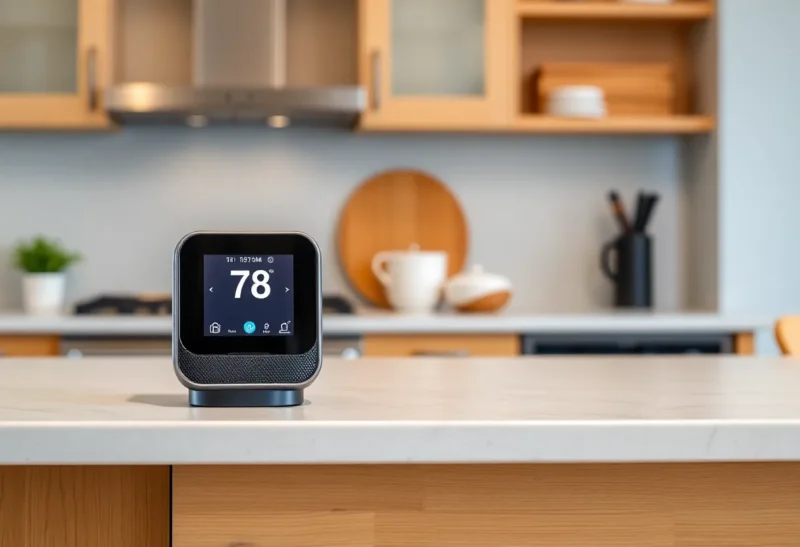
A Nest thermostat from 2013 still works. A SmartThings hub from 2014 still works. A Wink hub from 2014 does not—Wink went under in 2023, and without the company’s cloud servers, the hub became an expensive paperweight for anyone whose automation depended on cloud-based automations. The hardware outlasted the company. The software—specifically, the dependency on remote servers the company was no longer able to operate—did not.
This is the central paradox of smart home technology: the physical hardware of most modern IoT devices is durable enough to last a decade or more, but the software model used to deliver value from that hardware is often dependent on corporate infrastructure that has no guaranteed survival horizon. When the company fails, is acquired, or simply decides to discontinue a product line, devices bought in good faith stop working—not because they broke, but because someone turned a server off.
The Cloud Dependency Architecture
Most consumer smart home devices operate on a cloud-dependent architecture by design. The smart light switch in your wall isn’t processing complex automation logic locally—it’s sending a signal to a company’s cloud server, which applies your settings and routing rules, and sends a command back. This design pattern made sense when connected devices had limited processing power and developers wanted to update features without pushing firmware to millions of distributed hardware units. It also gave companies ongoing access to usage data and created a service relationship (and potential subscription revenue model) beyond the one-time hardware sale.
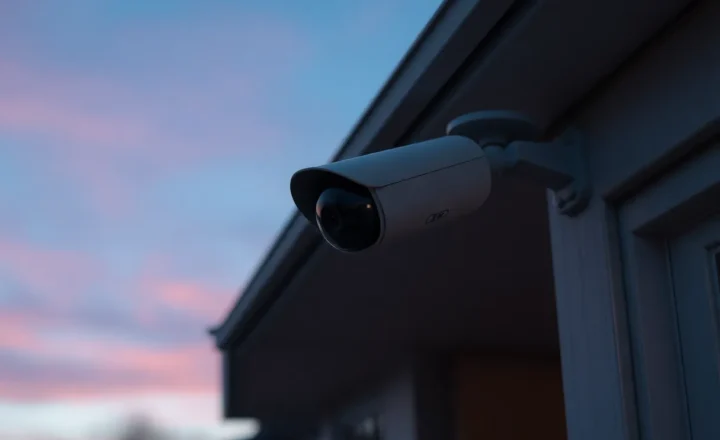
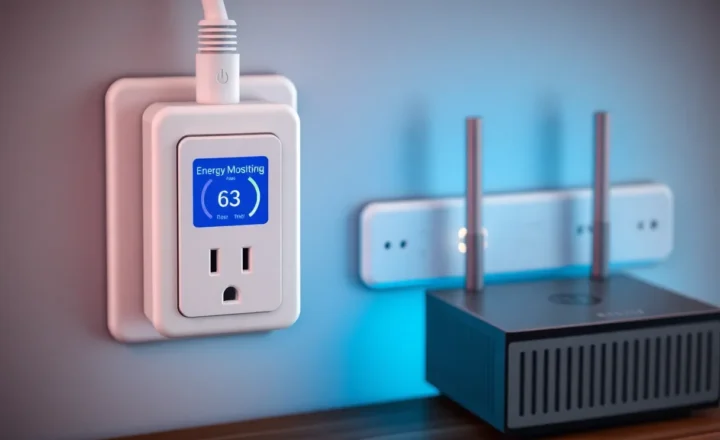
The consequence is that the value of the device is entangled with the company’s ongoing operation. Smart plugs that track energy usage, security cameras that store footage remotely, voice-assistant devices that depend on natural language processing in the cloud—these products work as advertised only as long as the company is paying server bills and maintaining the API infrastructure that the device talks to.
When Revolv—a smart home hub acquired by Nest (and therefore by Google)—was deliberately shut down in 2016 just sixteen months after acquisition, it was among the first high-profile cases that illustrated the problem to a broad audience. Users had paid $300 for hardware that was remotely disabled by a conscious corporate decision. No malfunction. No warning. A server got switched off, and the hardware became useless. The backlash was significant enough to generate coverage, legal threats, and a broader industry conversation about what “buying” a smart device actually means.
The Hardware Reality: These Devices Are Built to Last
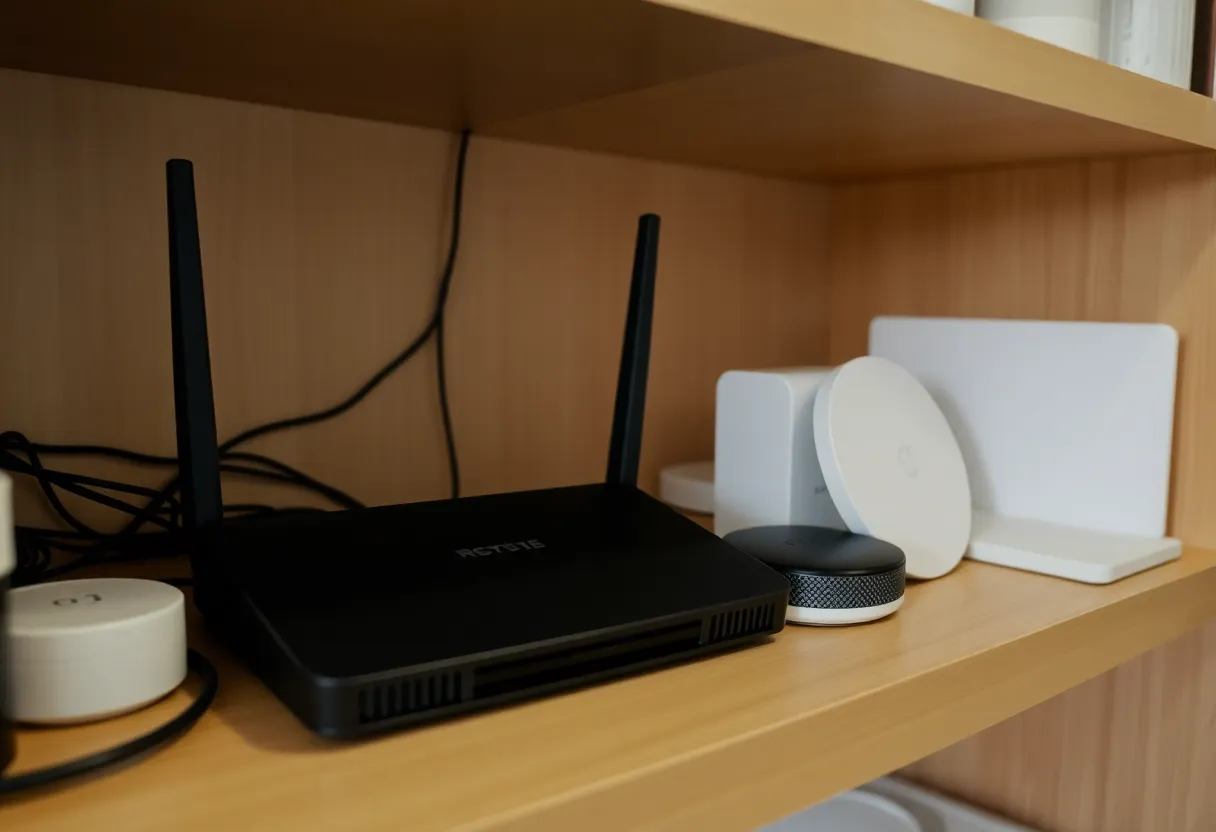
The irony is that the underlying hardware in most smart home devices is genuinely durable. Smart thermostats use the same class of embedded processor found in industrial control systems that run for fifteen to twenty years without replacement. Light switches have mechanical and electronic components rated for tens of thousands of actuation cycles. Smart locks use motor mechanisms similar to commercial access control hardware with decade-plus service expectations.
A Z-Wave or Zigbee smart switch—using radio protocols specifically designed for home automation—has no cloud dependency at all. It speaks a local mesh protocol that a compatible hub can use without any internet connection. If the company that sold you the switch disappears tomorrow, the hardware continues to function on your Z-Wave or Zigbee network indefinitely. The protocol is standardised, not proprietary; any Z-Wave or Zigbee hub can control it.
This distinction—between devices with local protocol support and devices with cloud-only architectures—is the single most important technical specification for evaluating long-term reliability. Devices that operate on Z-Wave, Zigbee, Thread, or Matter can function without any company’s servers. Devices that work only through a proprietary cloud API are fundamentally dependent on the company’s survival and ongoing investment.
Matter: An Attempt at Structural Reform
Matter, the interoperability standard developed by the Connectivity Standards Alliance (formerly the Zigbee Alliance) and backed by Apple, Google, Amazon, and Samsung, represents the industry’s most serious attempt to address the structural problem of proprietary lock-in. Matter devices are designed to operate locally—the processing happens on your home network, not a remote server—and to work with any compatible hub, regardless of which company made the device.
A Matter-compatible smart bulb bought today should, in principle, still work with a Matter-compatible hub in ten years, even if the bulb manufacturer no longer exists, because the protocol is an open standard maintained by a consortium rather than owned by a single company. The hub vendor and bulb vendor don’t need to have any relationship for the device to function.
Matter’s rollout has been slower and more complicated than its backers initially projected, partly because the practical implementation of interoperability is harder than the standard specification, and partly because large companies with established ecosystems (Amazon Alexa, Google Home, Apple HomeKit) have competitive incentives to make their own platforms feel more capable than a generic Matter experience. But the direction is meaningful: the industry’s major players have formally committed to a local-first, interoperable standard, which changes the structural landscape for future devices.
What Happens When a Company Shuts Down: The Lifecycle Scenarios
The post-shutdown experience varies significantly by device architecture and company exit type.
When a company is acquired and the acquirer continues cloud operations, devices often keep working. Google’s acquisition of Nest preserved Nest device functionality (and later integrated them into Google Home). Ring’s acquisition by Amazon preserved Ring device functionality and expanded it. In these cases, the device survival depends on whether the acquirer sees value in the installed base.
When a company simply fails or is wound down, the typical pattern is a shutdown notice, a grace period of weeks to months, and then servers going offline. Devices with any local functionality lose only the cloud-dependent features; devices with no local functionality become non-functional. Wink gave users a few weeks notice before shutting down in 2023. SmartThings hub firmware has historically supported local processing for some automations, so its users had more resilience when Samsung reduced cloud feature investment.
The most dramatic scenario—remote disablement of hardware that physically still works—is the Revolv case. While technically possible with any cloud-connected device, it’s uncommon; most companies that shut down simply stop paying server bills rather than actively disabling hardware.
The Community and Open Source Response
The community response to stranded smart home hardware has produced some of the most technically interesting consumer electronics recovery projects outside of right-to-repair. Home Assistant, an open-source home automation platform, has built one of the most comprehensive libraries of integrations for smart home devices in existence—including reverse-engineered integrations for devices whose companies have shut down or whose cloud services have been discontinued.
When iRobot discontinued support for older Roomba integration APIs, the Home Assistant community built local integrations that bypassed cloud dependency. When SmartThings changed its cloud API, users migrated to Home Assistant integrations that didn’t depend on SmartThings’ servers at all. The platform has become a kind of lifeboat for smart home hardware that outlived its original software ecosystem.
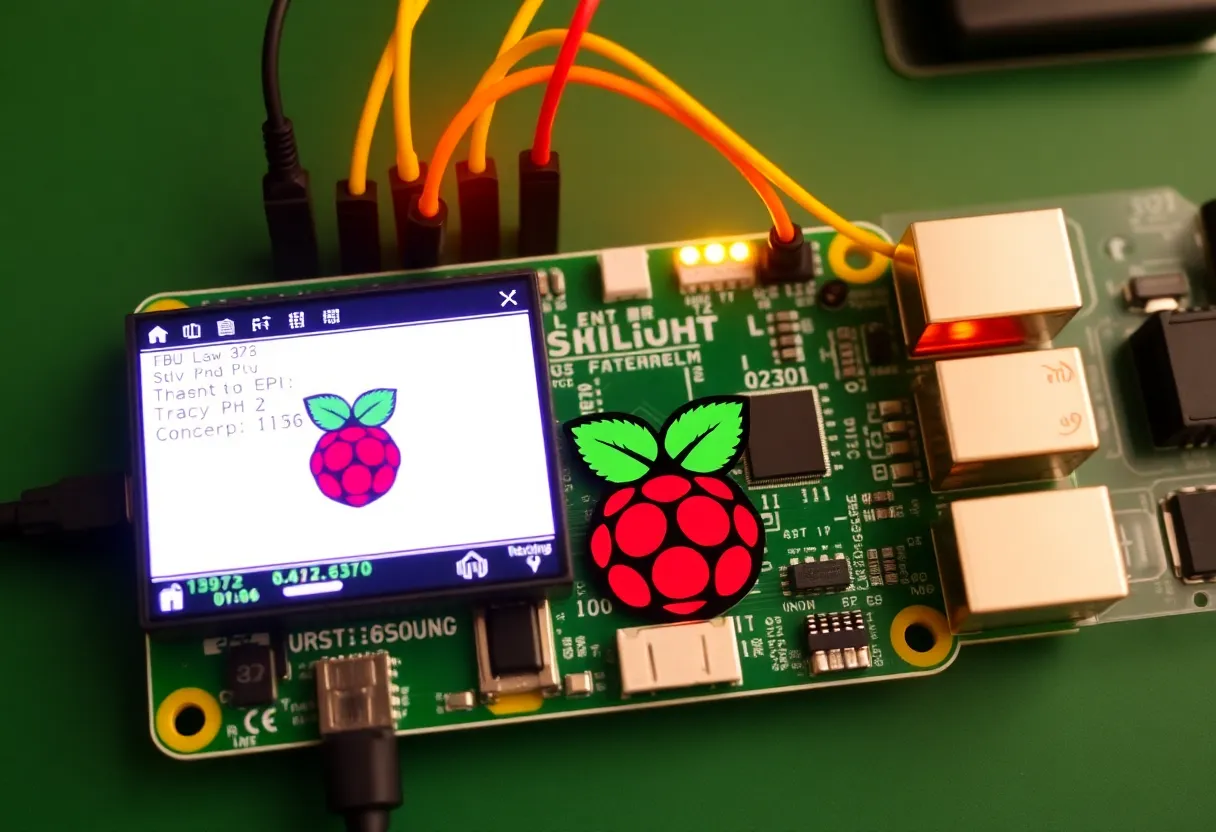
Custom firmware projects—ESPHome for ESP8266 and ESP32-based devices, Tasmota for a wide range of consumer smart devices—allow users to flash replacement firmware onto hardware whose original software has been abandoned. A cheap smart plug with an ESP8266 chip inside can be flashed with Tasmota and integrated into a local Home Assistant installation, functioning indefinitely with no cloud dependency and no vulnerability to the original manufacturer’s business decisions.
This requires technical knowledge that most consumers don’t have, which limits its reach. But it demonstrates that the hardware in many consumer smart devices is functional and capable well beyond the software lifecycle the original manufacturer intended, and that the community has both the interest and the skill to maintain it.
What to Buy (and What to Avoid) If You Care About Longevity
If device longevity matters to you, the key questions before purchasing are practical: Does this device support any local control protocol? Does it work with Matter, Z-Wave, or Zigbee? Can I control it through Home Assistant? Does the company have a track record of maintaining products rather than abandoning them?
Devices with Matter support, Z-Wave, or Zigbee are structurally more resilient than cloud-only devices, because their operation doesn’t depend on any single company’s servers. Lutron’s Caseta switches, which use Lutron’s proprietary Clear Connect protocol processed locally through their hub, have a fifteen-year track record of firmware support and backward compatibility—a meaningful data point versus brands that launched in 2019 and may not exist in 2029.
The broader industry shift toward Matter, and the regulatory pressure building in the European Union around software support requirements for smart devices, suggests that the structural problem of server-dependent devices may slowly become less severe. But for the installed base of devices already in millions of homes, the situation is simpler: the hardware will last, the servers may not, and how much that matters depends entirely on which kind of device you bought.
The thermostat from 2013 still reads your temperature and runs your heat. The hub from 2014 still switches your lights. The question was never whether the hardware would endure. It was always whether anyone would keep the servers running long enough for it to matter.