Why EV Battery Swaps Are Still a Niche (And When That Might Change)

Jordan Lee
March 7, 2026

Battery swapping for electric vehicles has a clear pitch: drive in, get a full battery in minutes, drive out. No waiting for a charge. In theory it solves range anxiety and makes EVs more like refuelling a petrol car. In practice, it’s still a niche—mostly one company (Nio in China) and a few pilots elsewhere. Here’s why swaps haven’t taken over, and what would have to change for that to shift.
The Infrastructure Problem
Swapping only works if the battery is designed to be removed quickly and if there’s a network of swap stations. That means standardised hardware: same pack shape, same connectors, same software handshake. Today, every EV maker has its own battery design, pack size, and mounting. A Tesla pack isn’t the same as a Nio pack or a Rivian pack. So a swap network is tied to one brand (or one standard that no one has agreed on yet). Building enough stations to make swaps convenient is expensive, and without scale, the economics don’t work. You end up with a few stations in a few cities—useful for some, but not a replacement for plug-in charging for most.
Fast Charging Caught Up
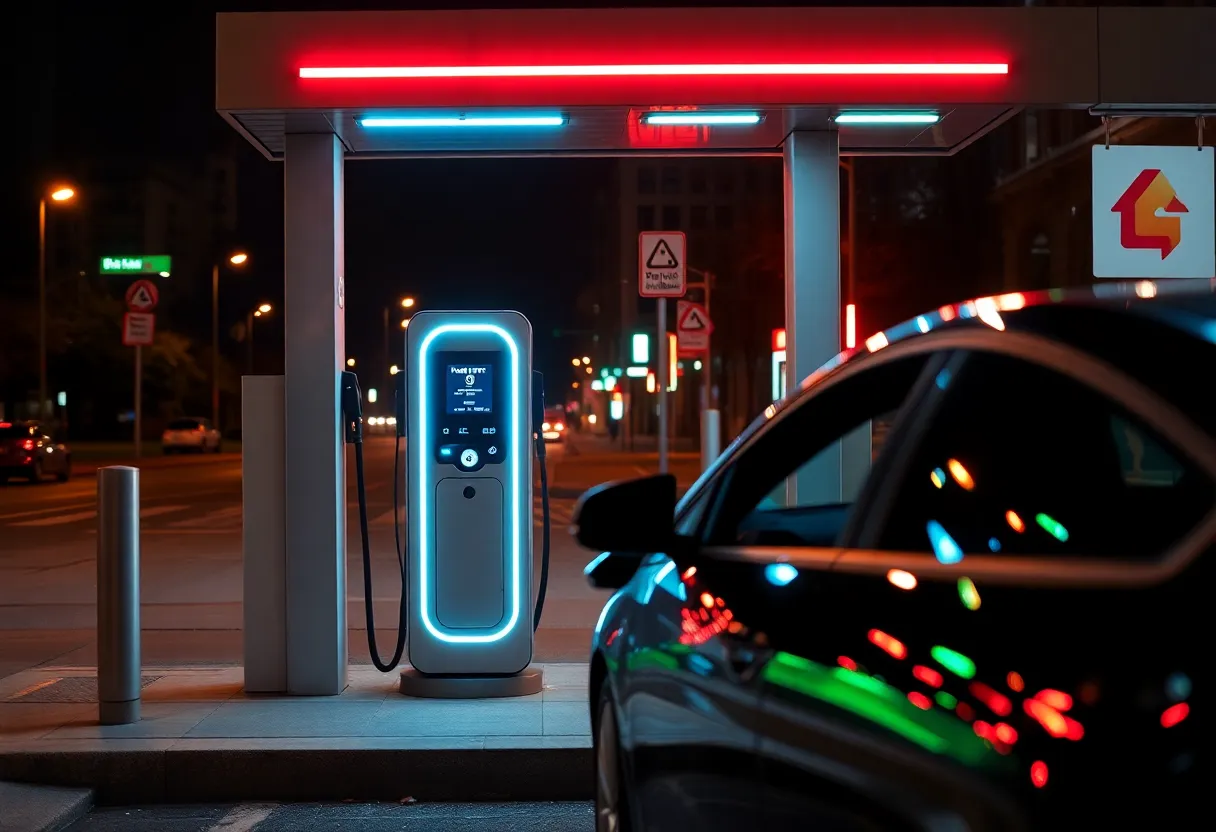
When battery swap was first proposed, fast charging was slow and rare. Today, 150 kW and 350 kW DC fast chargers can add a lot of range in 15–20 minutes. For many drivers, that’s acceptable for road trips; for daily use, they charge at home. So the “swap is faster” advantage matters most for people who can’t charge at home or who do very long hauls frequently. That’s a real segment—taxis, fleets, some long-distance drivers—but it’s not the whole market. Fast charging has reduced the pressure to make swaps universal.
Where Swaps Still Make Sense
Fleets and commercial vehicles are a better fit. A delivery van or a taxi that runs all day can’t afford to sit at a charger for half an hour. Swap in a few minutes and back on the road. Nio has pushed swaps for its passenger cars, but the model that might scale is commercial: standardised packs for vans or trucks, with swap stations on depot or route. Some startups are betting on that. The other scenario is a single dominant standard—e.g. a government or industry agreement on a swap format—so that many makers build compatible cars and one network can serve them. That hasn’t happened yet.

When That Might Change
If fast charging plateaus (grid limits, battery chemistry limits) and range demands keep rising, swap could get a second look. If one or two big players—a major OEM or a fleet operator—commit to a swap standard and build real scale, others might follow. And if solid-state or next-gen batteries make packs more modular and easier to swap by design, the technical barrier could drop. For now, battery swap stays a niche: valuable where it exists, but not the main path for most EV owners. Watch the fleet and commercial space for the next move.
The Bottom Line
EV battery swaps are still a niche because they need standardised hardware and dense infrastructure, and fast charging has improved enough to cover most use cases. They make the most sense for fleets and commercial vehicles, or in regions where one player has invested heavily. The picture could change if a common standard emerges or if charging hits a ceiling—but for now, plug-in charging is the mainstream, and swap is the alternative for specific needs.