Why DIY EV Conversions Are Still a Niche—And When That Might Change

Jordan Lee
February 26, 2026
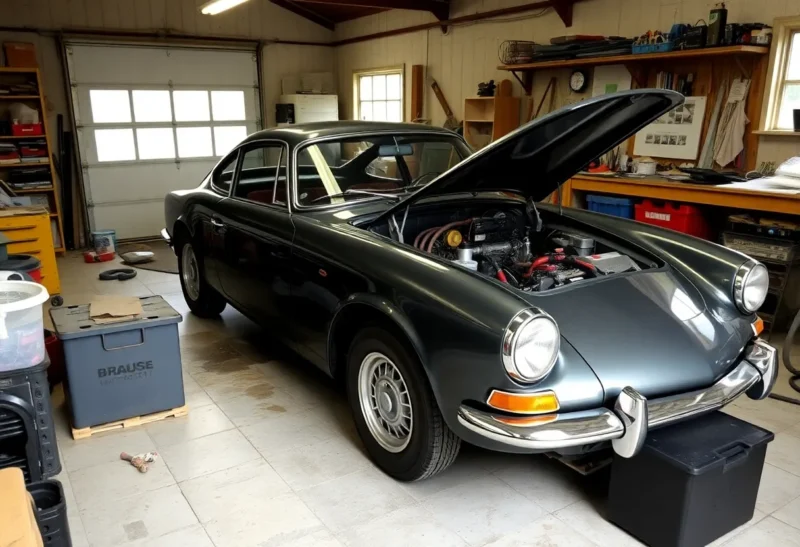
Turning a classic car or an old daily driver into an electric vehicle in your own garage has a certain appeal: you keep the body and character you love, ditch the engine and fuel system, and end up with something unique. Yet DIY EV conversions remain a niche—a passionate one, but still small. The reasons are practical, and they’re starting to shift.
Why Conversions Stay Niche
Cost is the first hurdle. A proper conversion isn’t just a battery and a motor. You need a battery pack (often 20–40 kWh or more for usable range), a motor and controller, an adapter plate to mate the motor to the transmission or a direct drive setup, a charger, a DC-DC converter for 12 V systems, and a BMS (battery management system). Sourcing used or salvaged parts helps, but even then you’re typically in the low five figures for a basic, safe conversion. New components push the total higher. For many people, that’s more than the value of the car or the budget they have for a “fun project.”
Skill is the second. You’re dealing with high voltage, mechanical fitment, welding or fabrication in many cases, and often custom software or controller tuning. There’s no single manual that covers every car. Communities like the Electric Vehicle Conversion forums and DIY EV groups share knowledge, but you still need enough mechanical and electrical fluency to plan the build, troubleshoot, and not create a fire or shock hazard. That filters out a lot of would-be converters. Even if you’re comfortable with a wrench, the jump to designing a battery enclosure, sizing cables for hundreds of amps, and understanding BMS logic is real.

The Regulatory and Safety Squeeze
Regulation varies by country and state. Some places treat a converted EV like any other modified vehicle: it has to pass safety or emissions checks, and sometimes you need an engineer’s sign-off or specific certifications for high-voltage work. In others, the rules are vague or hostile to home-built EVs. Insurance can be another headache—not every carrier wants to cover a one-off conversion, and those that do may charge more or require an inspection. That uncertainty keeps some people from even starting. You don’t want to finish a two-year build only to find you can’t register or insure it.
Safety is non-negotiable. A badly done conversion can mean thermal runaway, electrical faults, or mechanical failure. The community is generally serious about safe practices—proper fusing, isolation, and BMS—but the bar is high. You’re not just swapping an engine; you’re integrating a new powertrain and making sure it plays nicely with the rest of the car for years. That demands a certain mindset and a willingness to learn.
What’s Starting to Change
Several trends could make conversions less niche over the next five to ten years. The first is the growing pool of salvage parts. As more EVs are written off in accidents or retired from fleets, usable battery modules, motors, and inverters are hitting the secondary market. Prices are still significant, but they’re coming down. A “Tesla crate motor” or a pack from a Leaf or Bolt is no longer science fiction for a home builder. That lowers both cost and the “where do I get the parts?” barrier.
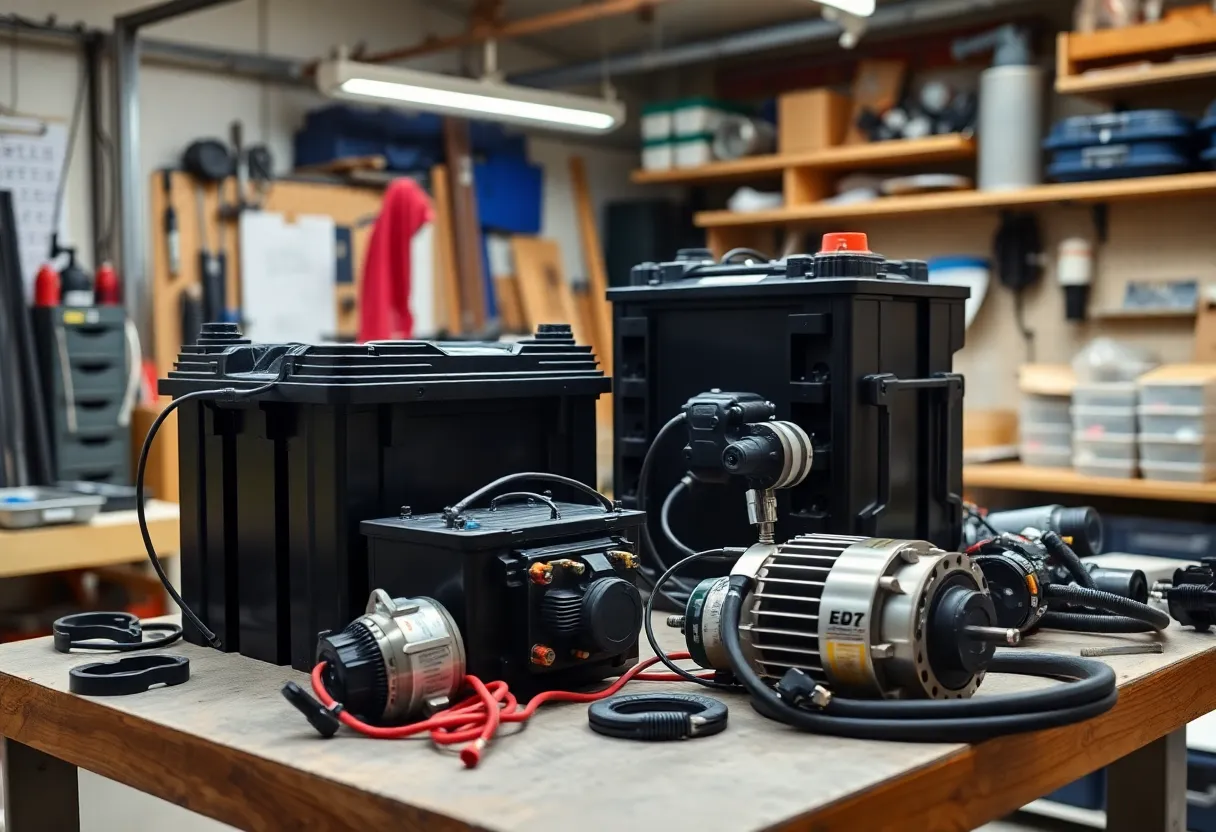
Second, the kit and crate ecosystem is maturing. Companies like EV West, Electric GT, and a handful of startups sell conversion kits or key components (adapters, mounting kits, wiring harnesses) for popular classics—Beetles, Porsches, Land Rovers, and so on. You still need to source the battery and motor in many cases, but the “bolt this in and wire it up” path is getting clearer. That doesn’t make it cheap or easy, but it does make it more repeatable and slightly less intimidating.
Third, right-to-repair and “open” EV platforms are getting more attention. As consumers and regulators push for repairability and second-life use of batteries, we may see more standard interfaces, documentation, and aftermarket support. That could make it easier to mix and match components and get a converted car certified and insured.
Who It’s For (For Now)
Today, DIY EV conversion is still for people who have time, some budget, and a real desire to understand the system. It’s a project for tinkerers, educators, and enthusiasts who want to preserve a specific car or prove that it can be done. It’s not yet a mainstream path to EV ownership. But as parts get cheaper, kits get better, and the installed base of EVs grows, the niche could widen. If you’ve been eyeing that old car in the garage and wondering whether it could go electric, the answer is yes—and in a few years, it might be a bit less daunting than it is today. The niche is small, but it’s not shrinking. It’s waiting for the rest of the world to catch up.