Why Battery Swapping for EVs Never Took Off (And Whether That Could Change)

Jordan Lee
February 26, 2026
Battery swapping seemed like a neat fix for EV charging: drive in, swap the pack in minutes, drive out. No waiting at a plug. Yet outside a few fleets and one major push in China, it never took off in most of the world. Here’s why—and whether that could change.
The Promise and the Obstacles
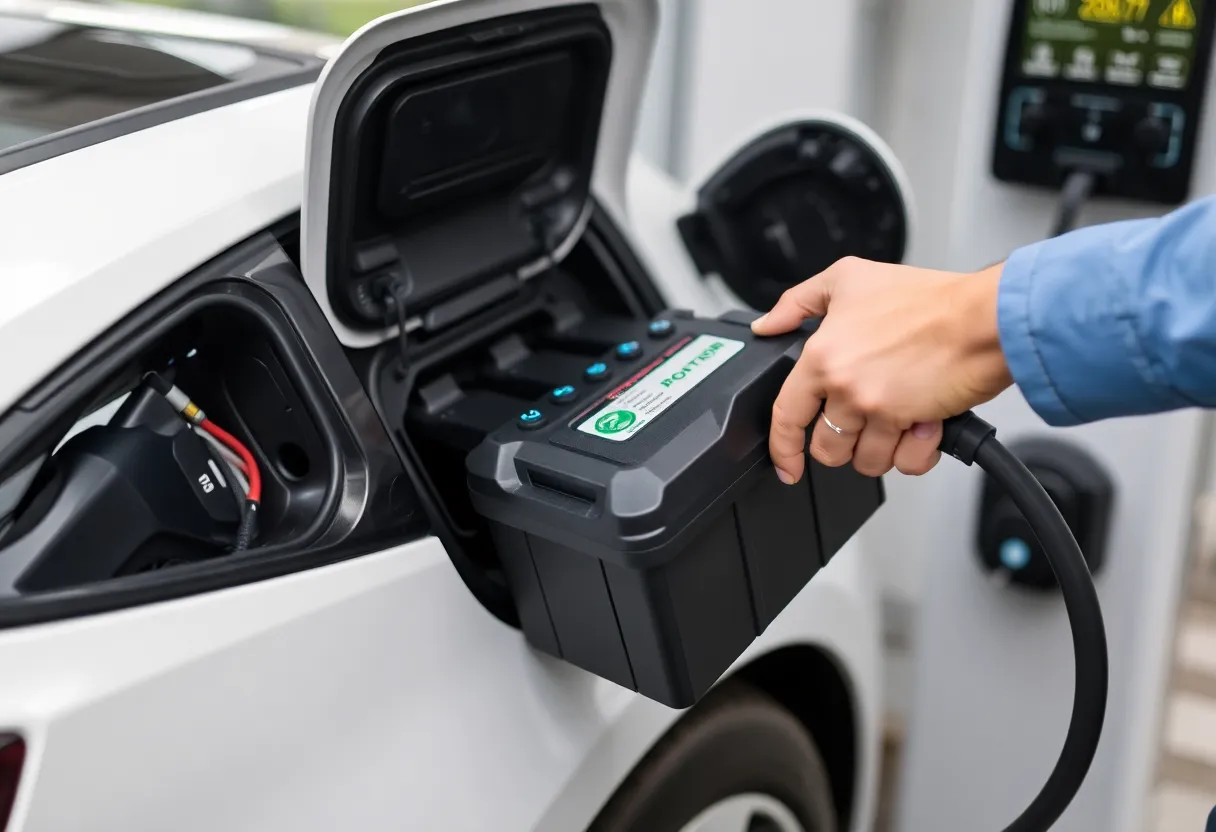
Swapping is fast: a few minutes instead of 15–45 at a DC fast charger. It could ease range anxiety and reduce peak demand on the grid. The obstacles are mostly economic and technical. Swapping requires standardized battery packs across models and brands. Carmakers have resisted—batteries are a differentiator and a profit center. Building and stocking swap stations is expensive; each location needs spare packs, robotics, and space. And someone has to own the swapped-out pack: degradation, warranty, and liability get messy when the pack in your car isn’t “yours.” Better Place tried and failed in the 2010s; Tesla demoed swapping then pivoted to Superchargers. The model only worked where one player controlled vehicles and infrastructure—like buses or taxis—or where a government and a dominant automaker pushed it hard.
Where It Did Take Hold
In China, NIO built a real swap network: hundreds of stations, and a subscription model where drivers don’t own the battery. It works because NIO controls the vehicles and the stations and the battery design. Fleet operators—taxis, delivery vans—also use swapping where they can standardize on one vehicle type and one pack. For them, uptime matters more than brand choice. So swapping isn’t dead; it’s niche. It thrives where one entity controls the ecosystem or where the use case is narrow enough that standardization is feasible.
Could It Spread?
Maybe. If governments or industry bodies pushed a standard pack size and interface, swapping could become an option for more vehicles. Fast charging is still improving, though—800V architectures and better cells are shortening charge times. The longer fast charging gets, the less incentive there is to build swap infrastructure. Swapping could still win for fleets, trucks, or in regions where grid upgrades are slow. For mainstream passenger cars in the West, it’s still a long shot unless the industry and regulators decide to make it a priority. For now, it’s a “could have been” that survives in narrow, controlled niches.
The Bottom Line
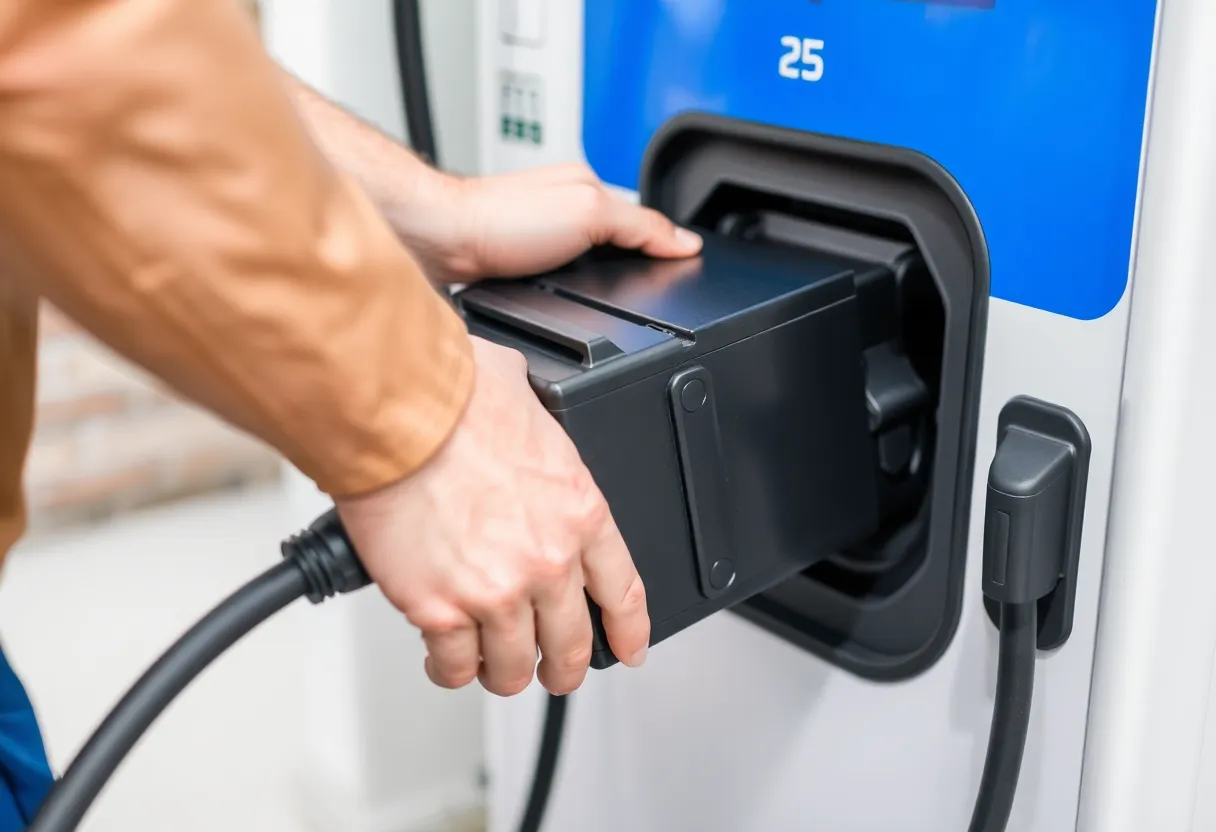
Battery swapping never took off because of cost, lack of standardization, and the success of fast charging. It works where one player controls the stack or where the use case is narrow. Whether it spreads depends on standards, policy, and how fast fast charging keeps improving. Don’t expect it to replace plugs anytime soon—but don’t write it off for fleets or specific markets either.