What WebAssembly Actually Means for Browser-Based Apps

Marcus Webb
March 7, 2026
WebAssembly was supposed to change everything. Run C, C++, and Rust in the browser at near-native speed. Build Photoshop in a tab. Run AutoCAD in Chrome. The hype was real—and then it wasn’t. WASM didn’t kill JavaScript. It didn’t replace the DOM. So what does WebAssembly actually mean for browser-based apps in 2026? The answer is more nuanced than the evangelists or skeptics suggest.
Here’s the reality: WebAssembly is a tool, not a revolution. It excels at specific workloads—heavy computation, game engines, media processing, cryptographic libraries—and falls flat for the bread-and-butter of web apps: DOM manipulation, layout, and interaction. The future isn’t “WASM everywhere.” It’s a hybrid: JavaScript for the UI, WebAssembly for the hot paths. Understanding that distinction is the key to using WASM effectively.
Where WebAssembly Shines
WebAssembly runs code faster than JavaScript for compute-heavy tasks. That’s not opinion—it’s architecture. WASM is a low-level binary format, closer to machine code. The browser compiles it once and executes it efficiently. JavaScript, by contrast, is interpreted or JIT-compiled with dynamic typing overhead. For tight loops, number crunching, and algorithms that don’t touch the DOM, WASM wins.
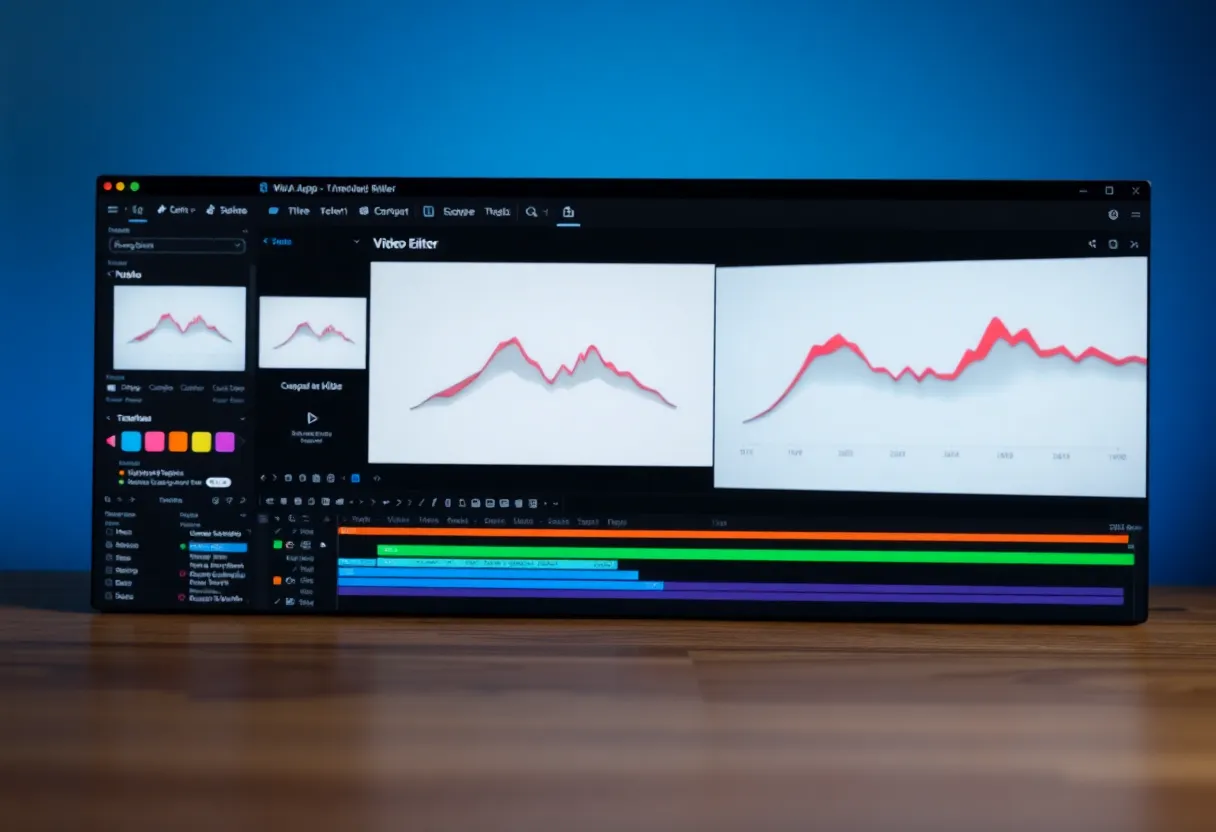
Real-world use cases: image and video processing, physics engines, game logic, compression, cryptography. Figma uses WASM for its design engine. AutoCAD runs in the browser via WASM. Google Earth, Photoshop on the web, video editors—they lean on WebAssembly for the heavy lifting. The pattern is consistent: keep the UI in JavaScript, push the compute to WASM.
Where WebAssembly Falls Short
WASM can’t directly manipulate the DOM. It has no access to the document, the window, or user events. To do anything visible, WASM has to call back into JavaScript, which then updates the DOM. That round-trip adds overhead. For most UI work—forms, lists, animations—JavaScript is faster and simpler. The boundary crossing kills any performance gain.
WASM also lacks garbage collection (though GC support is in progress). Memory management is manual. You’re writing C-like code in a sandbox. That’s fine for a game engine or a codec. It’s painful for a typical web app. The ecosystem for “WASM-first” frameworks exists—Blazor, Yew, various Rust UI crates—but they all end up bridging to the DOM through JS. The abstraction leaks.
The Hybrid Model
The winning pattern is hybrid: use WebAssembly for compute, JavaScript for everything else. Load your image filter, your physics simulation, or your parser as a WASM module. Call it from JS when you need the heavy work. Keep the rest of your app in React, Vue, Svelte, or vanilla JS. You get the performance where it matters and the ergonomics where it doesn’t.
This is how most production WASM adoption works. Nobody is rewriting their entire frontend in Rust. They’re shipping critical modules as WASM and leaving the rest in JS. The boundary is explicit: hot path in WASM, UI in JS.

What’s Next for WASM
WebAssembly is evolving. Component model, GC support, and better tooling are in progress. WASI (WebAssembly System Interface) is bringing WASM beyond the browser—to servers, edge runtimes, and plugins. The vision is “compile once, run anywhere”: Rust, C++, or Go compiled to WASM, running in browsers, on servers, or in embedded contexts. That future is partial today but getting closer.
For browser-based apps, the story won’t change dramatically. DOM access will remain the bottleneck. The hybrid model will persist. But the set of workloads that make sense in WASM will grow—especially as tooling improves and more languages target WASM effectively.
The Bottom Line
WebAssembly matters for browser-based apps—but not in the way the hype suggested. It’s not a JavaScript replacement. It’s a performance escape hatch for specific workloads. Use it where compute dominates. Ignore it where the DOM dominates. That distinction will save you a lot of misplaced effort.