What Wearable Glucose Monitors Actually Cost Beyond the Hardware

Maya Chen
March 7, 2026
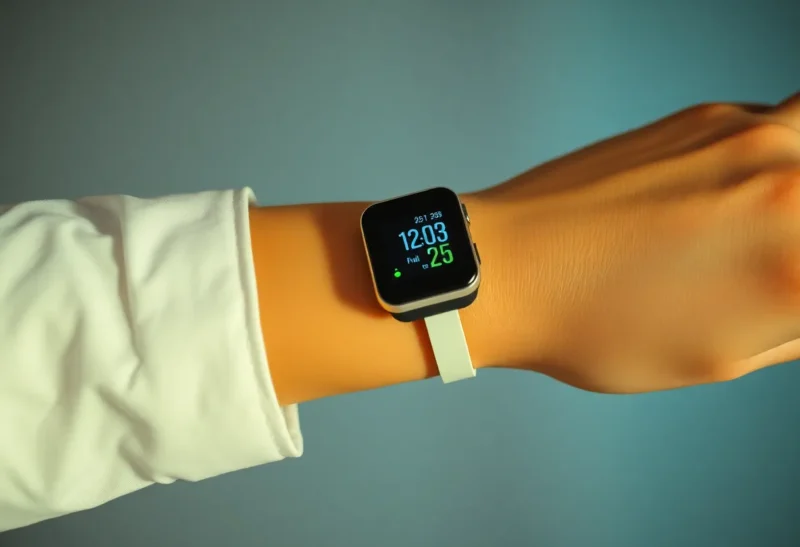
Continuous glucose monitors (CGMs) like Dexcom and Abbott’s Freestyle Libre have moved from diabetes management into the “biohacker” and wellness crowd. Athletes, longevity enthusiasts, and curious normies are wearing them to see how food, sleep, and exercise affect their blood sugar. The sensor itself might cost $50–100 for a starter pack. But the real cost hides in the subscription, the reader or phone requirement, the ongoing sensors, and the data ecosystem. Here’s what you’re actually paying for—and what you’re getting.
The Hardware Is Just the Start
A Freestyle Libre 2 or 3 starter kit might run $60–80. That gets you one or two sensors and a reader (or app-compatible phone). A Dexcom G7 starter is pricier—often $200+ out of pocket. That’s the visible cost. But CGMs are disposable. Each sensor lasts 10–14 days. You need new sensors every two weeks. At retail, that’s $60–150 per month depending on the system. The hardware is a recurring cost, not a one-time buy.
Insurance complicates things. For people with diabetes, CGMs are often covered. For people without a diagnosis, they’re usually not. “Off-label” use—wearing a CGM for curiosity or optimization—means paying out of pocket. Some programs (e.g., Levels, Signos) bundle sensors with an app and coaching; the subscription covers both. Others require buying sensors directly from Abbott or Dexcom. The price varies wildly by country, insurance, and program.
Subscription and App Costs
Levels, Signos, and similar services charge $200–400/month. That typically includes sensors, app access, and sometimes coaching. The value proposition: convenience, analytics, and community. You don’t have to source sensors yourself or navigate pharmacy and insurance. The downside: you’re locked into their ecosystem. If you cancel, you lose the data pipeline and the insights. The sensors themselves are standard Freestyle Libre or Dexcom; the added cost is the software and the curation.
Abbott and Dexcom offer their own apps for people who buy sensors directly. The Libre app is free. Dexcom’s app is free if you have a compatible phone. But the analytics are basic—glucose over time, trends, alerts. No meal logging, no personalized recommendations, no “metabolic health score.” That’s where the subscription services add value—or bloat, depending on your perspective. If you just want raw data, the manufacturer apps suffice. If you want interpretation and guidance, you pay for it.
Data and Privacy
CGMs stream data to your phone, and often to the cloud. Dexcom Clarity, Abbott’s LibreView, and third-party apps like Levels store your glucose readings. That’s sensitive health data. Who has access? What happens if the company is acquired or shut down? Read the privacy policy. For some people, that’s a non-issue. For others, it’s a dealbreaker. The cost of using a CGM isn’t just money; it’s the data you’re sharing.
The Time Cost
Wearing a CGM takes mental bandwidth. You check the app. You react to spikes. You adjust meals, exercise, or sleep based on what you see. For some, that’s empowering. For others, it’s anxiety-inducing. Normal glucose variation can look alarming if you don’t understand it. The learning curve is real. The time spent analyzing, experimenting, and optimizing is a cost. It’s hard to quantify, but it’s not zero.
Is It Worth It?
For people with diabetes, CGMs are often life-changing. Better control, fewer hypos, less cognitive load. The cost—even out of pocket—is usually justified by the health benefit. For everyone else, the calculus is different. You’re paying $100–400/month for data about your metabolism. That data can be insightful. It can also be noise. Not everyone needs continuous glucose monitoring to eat well or exercise. For many, a standard blood panel once a year is enough.
If you’re curious, a one-time 14-day trial (one or two sensors) might satisfy that curiosity without a long-term commitment. If you’re serious about metabolic optimization and have the budget, a subscription service can be worthwhile. Just go in with eyes open: the hardware is the tip of the iceberg. The real cost is recurring sensors, subscriptions, data sharing, and time.
The Bottom Line
Wearable glucose monitors cost more than the starter kit. Expect $100–400/month for ongoing use, depending on system and subscription. Factor in data privacy, time spent analyzing, and whether the insights actually change your behavior. For diabetes management, the value is clear. For curiosity and optimization, it’s a luxury. Know what you’re paying for—and what you’re getting.