Wearables that can take a single-lead ECG have gone from medical curiosity to mainstream in a few years. Apple Watch, Samsung Galaxy Watch, and a growing list of fitness trackers now offer “ECG” or “electrocardiogram” on your wrist. The promise is appealing: catch irregular heart rhythms early, share data with your doctor, feel more in control of your health. But what does that little waveform on your watch actually tell you—and what does it miss?
Understanding the gap between consumer ECG and clinical ECG is important. It can help you use the feature wisely, interpret results without panic, and know when to take the next step. Here’s what wearable ECG really measures, what it’s good for, and where its limits are.
What Your Watch Is Actually Measuring
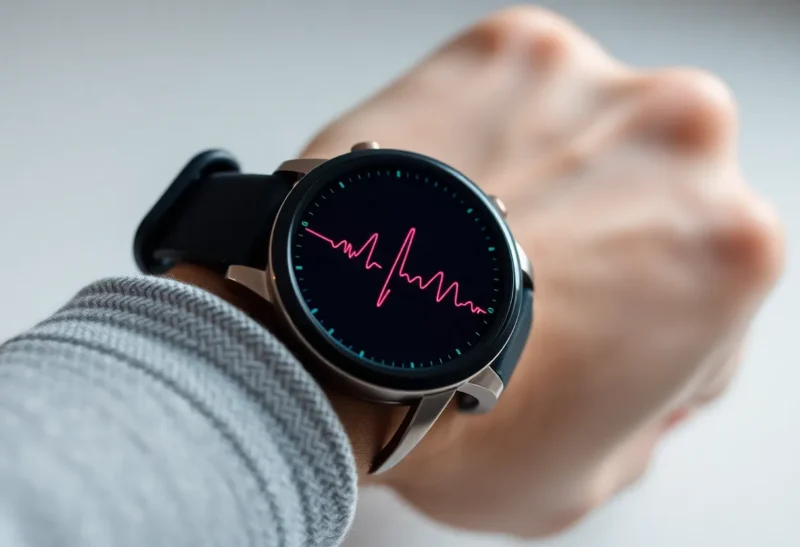
A clinical ECG uses multiple electrodes placed on your chest, arms, and legs to capture the heart’s electrical activity from several angles. That gives doctors a full picture of rhythm, conduction, and some structural clues. A wearable ECG uses one or two contact points—typically your finger on the crown of an Apple Watch, or two fingers on the bezel of a Samsung watch—to capture a single “lead.” That’s one perspective on the same electrical signal.
From that single lead, the device can reliably detect a few things: whether your heart is in a normal sinus rhythm (regular, consistent pattern) or whether it’s in atrial fibrillation (AFib), a common irregular rhythm that can increase stroke risk if untreated. That’s the feature that got FDA clearance and similar approvals: the watch isn’t claiming to diagnose every heart condition, it’s claiming to classify rhythm as “normal” or “AFib” (or “inconclusive”) in a specific, controlled way.
What Wearable ECG Is Good For
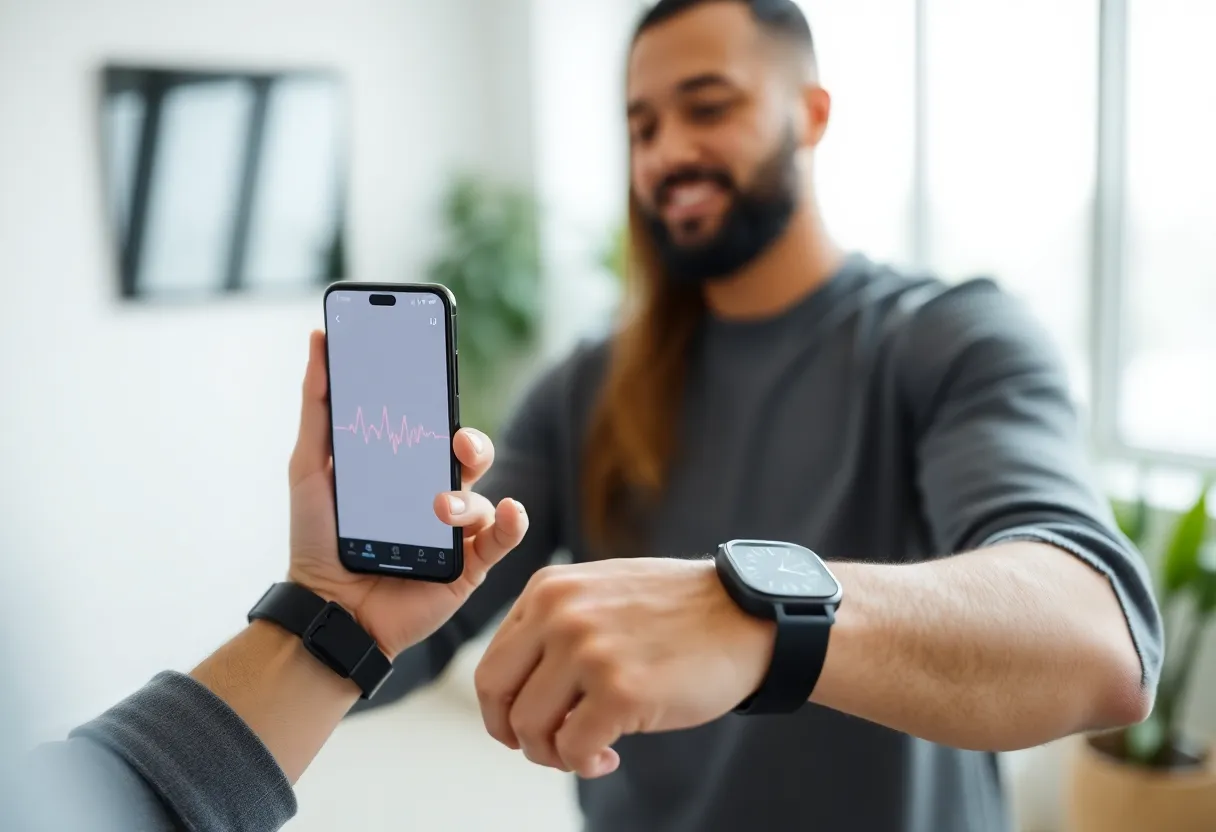
Single-lead wearable ECG is validated for spotting AFib in adults. If you’re over a certain age or have risk factors, and you feel palpitations or dizziness, taking a reading when symptoms occur can capture an episode you might otherwise miss in a doctor’s office. That can lead to earlier diagnosis and treatment. Some people discover they have AFib precisely because their watch flagged an irregular rhythm during a routine check. For that use case, the technology is a real step forward.
It’s also useful for peace of mind when you’re in normal rhythm. Seeing “sinus rhythm” after you’ve been cleared by a cardiologist can help you avoid unnecessary anxiety. And having a trace to show your doctor—timestamped and exportable—can support conversations about symptoms and follow-up.
What It Doesn’t Tell You
Wearable ECG does not replace a full ECG or other cardiac tests. It doesn’t diagnose heart attacks, blockages, or structural problems. It doesn’t reliably catch every arrhythmia—only the ones that show up during the 30 seconds you’re holding still with your finger on the watch. Paroxysmal AFib that comes and goes might be missed if it doesn’t happen during a reading. Other rhythms (PVCs, PACs, heart block, etc.) may show up as “inconclusive” rather than being clearly classified.
Motion, poor contact, or muscle tremor can also produce noisy traces. That’s why the apps often ask you to sit still and rest your arm. Even then, “inconclusive” is a common result—and it doesn’t mean something is wrong; it often means the signal wasn’t clear enough to classify. Treat “inconclusive” as “try again when you’re relaxed” or “discuss with your doctor if you have symptoms,” not as a diagnosis.
Why Single-Lead Has Limits
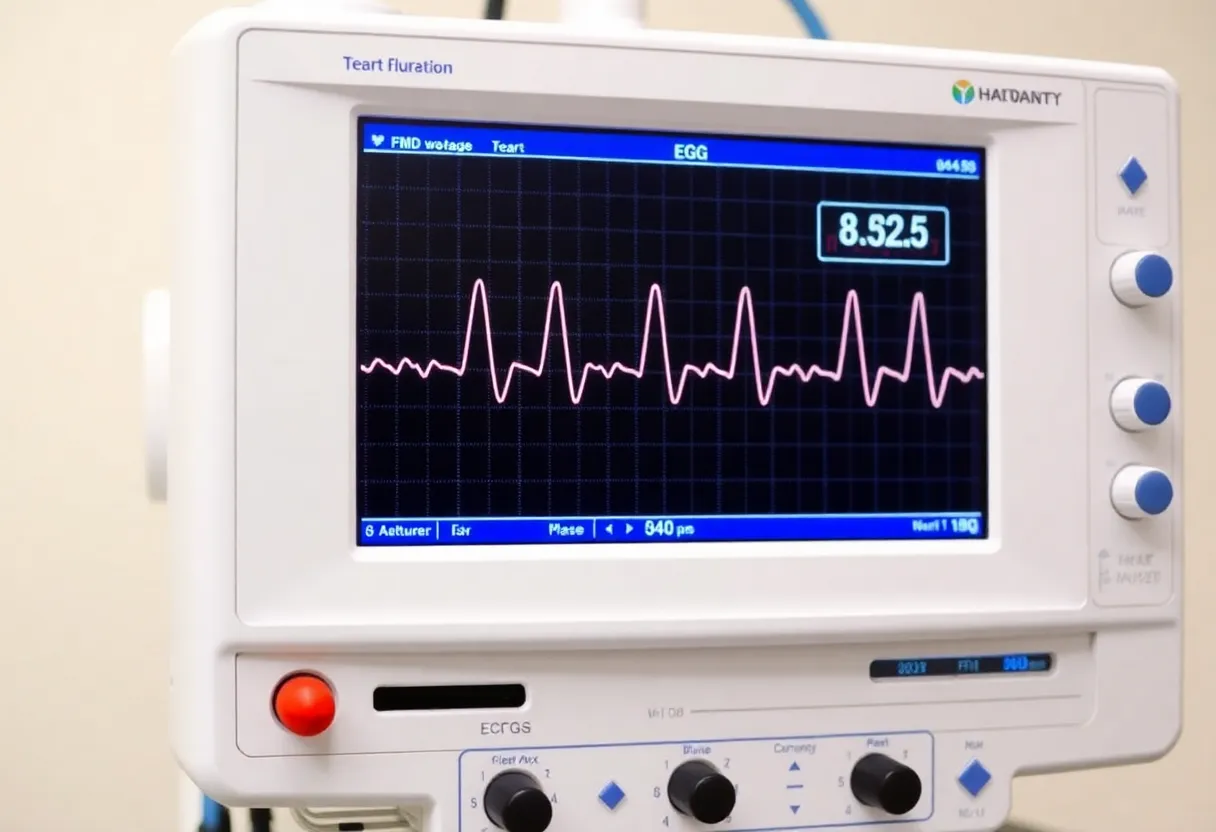
Clinical ECGs use 12 leads—electrodes in specific positions—to see the heart from multiple angles. That allows cardiologists to identify not just rhythm but also signs of ischemia, hypertrophy, and other conditions. A single-lead wearable can only see one “view” of the electrical activity. It’s excellent for the narrow task it was validated for (AFib vs sinus rhythm) but it wasn’t designed to replace a full workup. If your doctor orders a 12-lead ECG or a Holter monitor for 24–48 hours of continuous recording, that’s because they need more information than a 30-second wrist reading can provide.
That’s not a flaw in the wearable—it’s a design trade-off. The goal was to put a useful screening tool in the hands of millions of people, not to replicate a cardiology lab. Understanding that helps you set the right expectations and use the feature as intended.
How to Use It Without Overreacting
Use wearable ECG as a screening and logging tool, not a diagnostic one. If you get “AFib” or “irregular rhythm,” the right move is to see a doctor and share the trace—not to assume the worst or ignore it. If you get “inconclusive” repeatedly when you have symptoms, that’s also a reason to get a proper workup. If you’re in normal rhythm and feel fine, the watch is giving you a snapshot, not a full cardiac clearance.
Don’t chase perfect traces. Some people take dozens of readings a day; that can increase anxiety without adding useful information. A few readings when you’re calm, and extra readings when you feel palpitations or odd sensations, are usually enough. Your doctor can help you decide how often to check based on your history and risk.
Also remember that not everyone is eligible for the feature. Apple and others typically restrict ECG to adults (e.g. 22 and over) and advise against using it if you’ve been diagnosed with AFib or other conditions that change how you should interpret the result. Read the in-app guidance and, if in doubt, ask your doctor whether wearable ECG is appropriate for you.
The Bottom Line
Wearable ECG tells you one thing well: whether, at the moment you took the reading, your rhythm looked like normal sinus rhythm or like AFib. It can support earlier detection of AFib and better conversations with your doctor. It does not replace a full ECG, a stress test, or a cardiologist’s judgment. Use it to capture data when it matters, share that data with a professional when needed, and avoid treating the watch as a full cardiac monitor. When used that way, it’s a useful tool—not a replacement for medical care.