What the Latest Sleep Tracker Research Gets Wrong About Recovery

Maya Chen
March 15, 2026
Sleep trackers—wearables and apps that estimate sleep stages, duration, and “recovery” scores—have become ubiquitous. So has the research that tries to validate or critique them. But a lot of that research, and the way it’s reported, gets recovery wrong: it conflates correlation with causation, overstates what consumer devices can measure, and treats “recovery” as a single number when it’s not. Here’s what the latest sleep tracker research gets wrong about recovery, and what to do instead.
Recovery Isn’t One Number
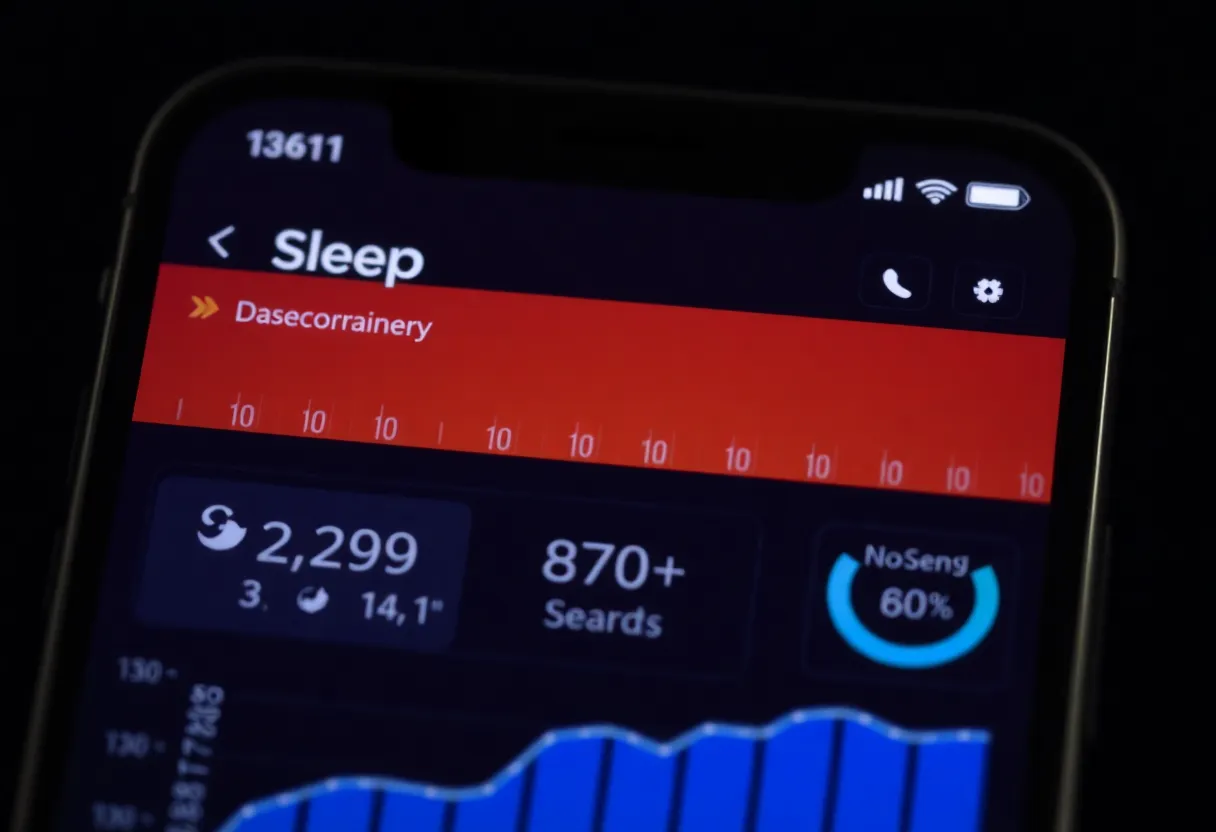
Consumer sleep trackers typically spit out a “recovery” or “readiness” score—often based on heart rate variability (HRV), resting heart rate, sleep duration, and sometimes movement or subjective inputs. Research that treats this as a gold standard is missing the point. Recovery is multi-dimensional: physiological (muscle, immune, metabolic), cognitive (attention, memory), and subjective (how you feel). No single metric captures all of that. Studies that validate a device’s “recovery score” against one outcome (e.g. performance in a lab task) are only measuring one slice. The research often implies that “recovery” is a thing you can optimize with one number; in reality, you might be well recovered in one system and not in another.
So when you read “sleep tracker X predicts recovery,” ask: recovery for what? Athletic performance? Cognitive test? Mood? The latest research sometimes blurs these, and the headlines make it worse. Recovery is context-dependent—your “score” might not mean the same thing after a hard workout as after a night of poor sleep for other reasons.
Consumer Devices Don’t Measure Sleep Stages Accurately
Most consumer wearables estimate sleep stages (light, deep, REM) from wrist-based heart rate and movement. Research has repeatedly shown that these estimates are rough at best—they often agree with polysomnography (the clinical gold standard) on total sleep time but are weak on staging. Deep sleep and REM are especially hard to infer from a wrist. So when studies or marketing claim that a device “tracks recovery” via sleep stages, they’re often overstating what’s actually being measured. The device is inferring; it’s not measuring brain activity. Recovery metrics that lean heavily on “deep sleep” or “REM” from a wearable should be taken with a large grain of salt.
That doesn’t make the devices useless. Duration and consistency (when you go to bed and get up) are still valuable, and some HRV-based metrics have shown correlation with stress and readiness in controlled settings. But the research that treats consumer sleep staging as equivalent to lab staging is part of what gets recovery wrong—it encourages people to optimize for numbers that are only approximate.
Correlation vs. Causation and the “Optimization” Trap
Lots of sleep and recovery research is correlational: people who sleep more or have “better” HRV tend to perform better or feel better. That doesn’t mean that chasing a higher recovery score will cause better outcomes. You might improve sleep and see scores go up, or you might change nothing meaningful and see scores change anyway (device drift, algorithm updates, or noise). Research that presents “higher score → better outcome” without controlling for confounders (stress, training load, lifestyle) overstates what we know. And when users start making decisions—skip a workout, take a rest day—based on a single number, they’re acting on a model that’s often oversimplified.
The latest research sometimes reinforces this by framing recovery as something you can “hack” or “optimize” with a tracker. In reality, the levers that matter—sleep timing, duration, stress, exercise, diet—are the same levers we’ve always had. The tracker might give you a signal; it doesn’t give you a new way to recover, and the research that implies otherwise is often overreaching.

What to Do Instead
Use sleep trackers for what they’re good at: trends over time (are you consistently short on sleep?), rough duration, and maybe HRV as one input among many. Don’t treat the recovery score as a medical or performance truth. Pay attention to how you actually feel; if the number and your body disagree, trust your body. And when you read research on “sleep tracker and recovery,” look for what was actually measured (polysomnography vs. consumer device), what outcome was used (lab test, self-report, real-world performance), and whether the study design supports cause-and-effect claims. The latest research often gets recovery wrong by oversimplifying it—so keep the nuance and use the tech as a loose guide, not a gospel.
The Bottom Line
Sleep tracker research often gets recovery wrong by treating it as a single number, overtrusting consumer sleep staging, and blurring correlation with causation. Recovery is multi-dimensional and context-dependent; consumer devices give you proxies, not the full picture. Use them for trends and awareness, not as the last word on whether you’re recovered.