What Single-Source Chip Dependency Taught Us About Supply Chain Risk

Priya Sharma
March 7, 2026

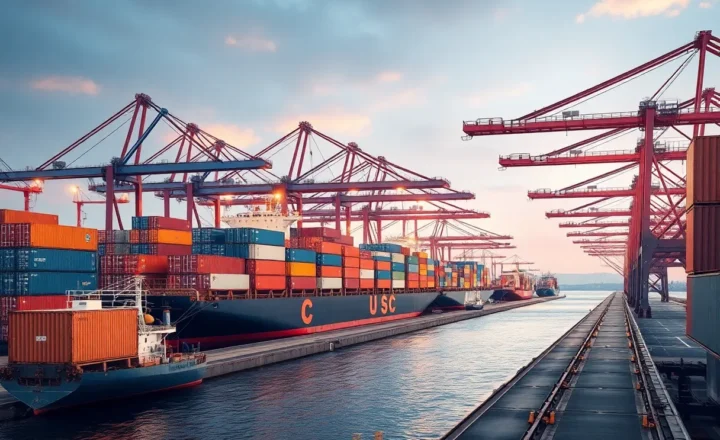
The chip shortage of 2020–2022 exposed a truth most of the tech industry had ignored: we’d built a global supply chain with single points of failure. When a handful of fabs in Taiwan, Korea, and the Netherlands couldn’t keep up with demand, car factories idled, laptops sold out, and gamers couldn’t buy graphics cards. Single-source dependency had been optimised for cost and efficiency. It hadn’t been optimised for resilience.
Here’s what we learned—and what’s actually changing.
How we got here
For decades, the semiconductor industry consolidated. Fabs cost billions to build and billions more to run. Economies of scale favoured fewer, larger facilities. Advanced logic chips—the brains in phones, servers, and GPUs—came from a handful of fabs. TSMC in Taiwan, Samsung in Korea, and Intel in the US dominated. Most companies designed chips but didn’t manufacture them. That separation—design vs. fabrication—became the norm. It was efficient. It was also fragile.
When demand spiked—pandemic laptops, 5G phones, crypto mining, data centres—the fabs couldn’t scale fast enough. Lead times stretched from weeks to months. Prices soared. Companies that had single-sourced critical components found themselves in queue behind everyone else. The “just in time” supply chain assumed steady demand and reliable supply. Neither held.
What single-source dependency means
If your product relies on a chip that only one supplier makes, you’re vulnerable. A factory fire, a pandemic, a trade dispute, or a natural disaster can cut your supply. You can’t switch vendors overnight—qualification takes months. You can’t build a fab in a year—construction takes years. You’re stuck.
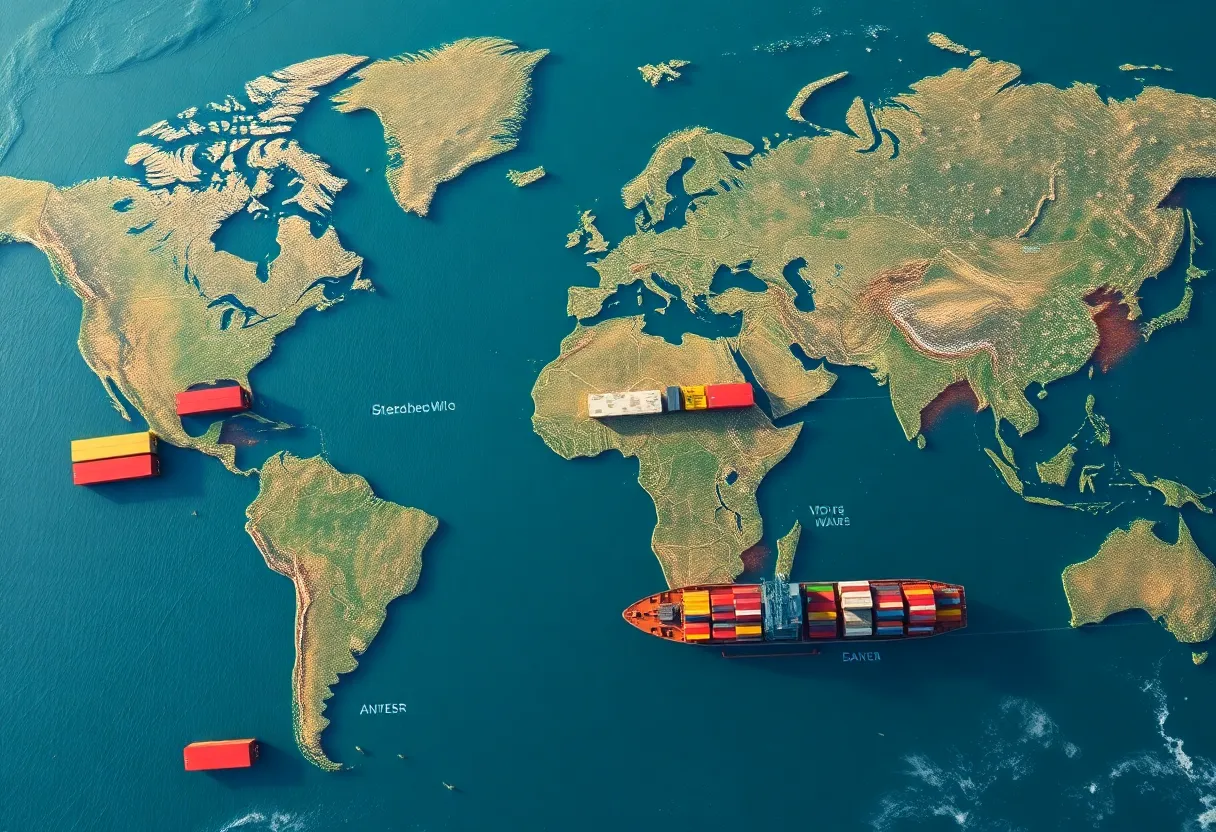
That’s what happened. Car makers couldn’t get microcontrollers. PC makers couldn’t get power management chips. Everyone was chasing the same limited capacity. The companies that had diversified suppliers or secured long-term agreements fared better. Those that hadn’t paid dearly.
The lesson: efficiency and resilience aren’t the same thing. Optimising for the lowest cost and the leanest inventory works until it doesn’t.
What’s actually changing
Governments are subsidising new fabs. The US CHIPS Act, the EU Chips Act, and similar programmes in Japan and Korea aim to onshore or “friend-shore” semiconductor manufacturing. New fabs are planned in Arizona, Ohio, Germany, and elsewhere. That will take years—fabs don’t open overnight—but it will add capacity and geographic diversity.
Companies are redesigning for multi-source. Where possible, they’re qualifying second and third suppliers for critical components. They’re holding more inventory. They’re accepting higher costs for resilience. “Just in time” is giving way to “just in case” for some parts.
Newer nodes aren’t the only bottleneck. The shortage hit mature nodes—older process technologies used in power management, sensors, and microcontrollers—hard. Those chips are made in fabs that were underinvested for years. Capacity there is growing too, but more slowly.
What hasn’t changed
Advanced logic—the cutting-edge chips in phones and AI accelerators—will remain concentrated. TSMC and Samsung will dominate for years. Building a leading-edge fab costs $20 billion or more. The expertise is rare. Geographic diversification will happen slowly.
Single-source risk hasn’t disappeared. It’s been acknowledged and partly addressed. But the industry will keep optimising for cost. The next shock—climate, geopolitics, another pandemic—could expose new vulnerabilities. Resilience requires ongoing attention, not a one-time fix.
The bottom line
Single-source chip dependency taught us that lean supply chains break when demand or supply shocks hit. The response is underway: new fabs, multi-sourcing, and inventory buffers. But the transition will take years. In the meantime, expect occasional shortages and higher prices for components that remain concentrated. The era of assuming supply would always be there is over.