
Longevity tech has gone from Silicon Valley curiosity to a real category: startups, funds, and big pharma are all chasing interventions that might extend healthspan and lifespan. The hype is easy to find. What’s harder is separating what’s actually delivering in 2026 from what’s still promise. Here’s a grounded look at what’s in the clinic, what’s in the data, and what’s still early.
Biomarkers and Measurement First
Before you can improve something, you have to measure it. Longevity research has pushed a wave of biomarker panels and biological-age clocks into the mainstream. Companies like InsideTracker, Function Health, and a growing number of clinics offer blood-based panels that go beyond standard lipids and glucose—things like inflammatory markers, telomere length estimates, and epigenetic clocks. The idea is to get a snapshot of where your biology stands and track change over time. In 2026, these tests are more accessible and cheaper than they were five years ago. The science behind “biological age” is still evolving; not every clock agrees, and we don’t yet have gold-standard trials showing that shifting a clock number translates to more years of healthy life. But as a tool for motivation and for catching early metabolic or inflammatory drift, they’re delivering real utility. People are using them to tune diet, sleep, and exercise—and that’s a concrete outcome.
GLP-1s and Metabolic Health
GLP-1 receptor agonists—Ozempic, Wegovy, Mounjaro, and the rest—aren’t marketed as longevity drugs. They’re weight-loss and diabetes medications. But they’re the biggest story in metabolic health in a decade. By improving glucose control, reducing visceral fat, and often improving cardiovascular risk markers, they touch many of the levers that correlate with age-related disease. Whether they directly extend lifespan in humans is still unknown; we’ll need long-term data. What we do know is that they’re changing outcomes for millions of people with obesity and type 2 diabetes today. In that sense, they’re already “longevity adjacent”: they’re moving the needle on conditions that shorten healthspan. The side effects and cost are real; so is the impact for the right patients. In 2026, next-generation GLP-1s and combination approaches are in development—oral formulations, longer duration, and drugs that target muscle and fat together. This is one area where delivery is ahead of the narrative.
Senolytics and Clearing Senescent Cells
Senescent cells—cells that have stopped dividing but don’t die—accumulate with age and secrete inflammatory signals that damage surrounding tissue. Senolytics are drugs or compounds designed to clear them. In animal models, clearing senescent cells has extended healthspan and lifespan. In humans, the picture is murkier. A few compounds (e.g., dasatinib plus quercetin) have been used in small trials; results are preliminary. Larger, rigorous human trials are underway. In 2026, we’re still in “promising but unproven” territory. No senolytic is yet approved for longevity per se. What’s delivering is the research momentum: better assays, more compounds, and a clearer path to human trials. Expect another few years before we know if this translates to clinical benefit.
Rapamycin and mTOR Inhibition
Rapamycin, an mTOR inhibitor used in transplant and oncology, has been shown to extend lifespan in multiple species. In humans, low-dose rapamycin is being explored off-label and in studies for longevity. Evidence for life extension in people is still lacking; we have short-term safety and some biomarker data. Enthusiasm runs high in the longevity community; regulators and many clinicians are cautious. In 2026, rapamycin and rapalogs remain in a gray zone: interesting for the committed, not yet a standard recommendation. Related pathways (e.g., AMPK, sirtuins) are under intense study. The takeaway: mechanistic targets are clear; human proof is still coming.
Wearables and Continuous Monitoring
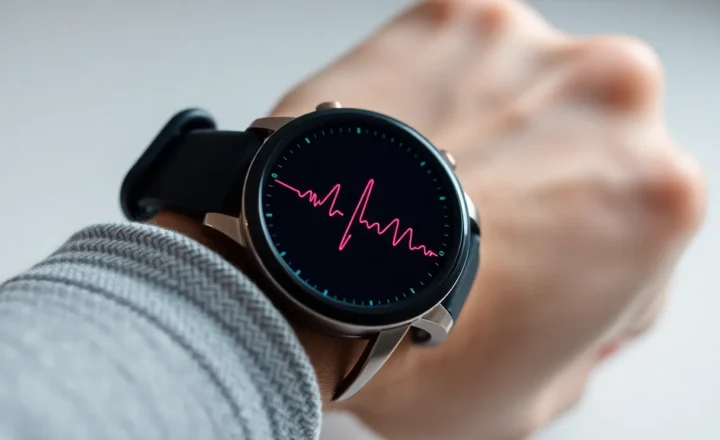
Wearables have moved from step counters to continuous heart rate, HRV, sleep staging, and blood oxygen. Some devices now offer skin temperature, stress indices, and recovery metrics. For longevity, the value is in trend detection: spotting deterioration in sleep or HRV before it becomes obvious, and linking behavior to biomarkers. Apple, Whoop, Oura, and others are competing on accuracy and interpretation. In 2026, wearables are delivering real data that informed users and clinicians can act on. The gap is still in what to do with the data—actionable protocols and integration with care are improving but uneven. As a layer of the longevity stack, wearables are here and useful.
Nutrition, Sleep, and Exercise—Still the Foundation
No roundup of longevity tech is complete without noting that the highest-impact levers remain the boring ones: nutrition, sleep, and exercise. Time-restricted eating and calorie restriction have human data supporting metabolic and cardiovascular benefits; the longevity field has largely converged on “don’t neglect the basics” before layering in drugs or gadgets. Sleep optimization—duration, consistency, and treating sleep apnea—has robust evidence for cognitive and metabolic health. Resistance training and cardio both matter for maintaining muscle and cardiovascular function with age. In 2026, the best longevity tech often amplifies these basics: wearables that nudge sleep and recovery, biomarkers that show the effect of diet changes, and GLP-1s that make it easier for some people to get to a healthier weight so they can move more. The frontier is exciting; the foundation is still non-negotiable.
What’s Still Hype
Not everything in longevity tech is delivering. Supplements and nutraceuticals are a mixed bag; many lack strong human evidence for life extension. Cryonics and brain preservation remain speculative. Some “longevity clinics” offer expensive packages with unclear evidence bases. The key is to separate rigorous research and regulated interventions from marketing. In 2026, the field is maturing: more trials, more published data, and more honest conversation about what we know and don’t know. What’s actually delivering is a combination of better measurement, proven metabolic tools like GLP-1s, and a pipeline of senolytic and mechanistic drugs still in the clinic. The rest is either early or unproven—worth watching, but not yet delivered.