What CRISPR Actually Does in Plain English (And What It Can’t Fix Yet)

Zara Nader
March 1, 2026
CRISPR is one of those technologies that gets hyped as a fix for everything—cancer, genetic disease, aging. It’s powerful, but it’s not magic. Understanding what it actually does, and what it can’t do yet, helps separate the science from the hype.
CRISPR is a tool for editing DNA. That’s the core idea. The rest is nuance: how it works, where it succeeds, and where it hits limits. Here’s the plain-English version.
What CRISPR Actually Does
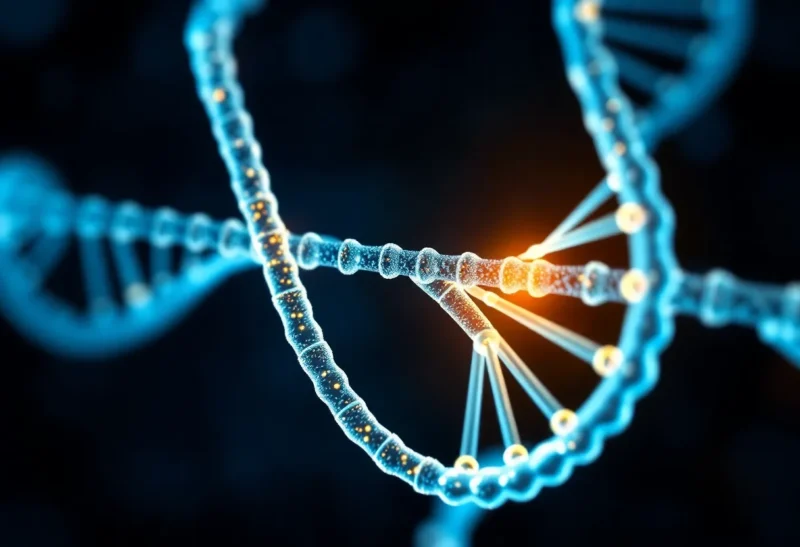
CRISPR stands for Clustered Regularly Interspaced Short Palindromic Repeats. That’s a mouthful. In practice, it’s a molecular system that finds a specific sequence of DNA and cuts it. Scientists add a guide—a piece of RNA that matches the target sequence—and an enzyme, usually Cas9, that does the cutting. The cell’s repair machinery then fixes the break, either by sealing it (often with a small error, disabling the gene) or by incorporating a new piece of DNA that researchers provide.
In other words: you can target a specific gene, cut it, and either break it or replace it with something new. That’s gene editing. It’s precise in a way earlier tools weren’t. You’re not randomly mutating DNA and hoping for the best—you’re aiming at a known sequence.
Precision isn’t perfect. Off-target effects—cuts in the wrong place—can happen. The guide RNA might match more than one spot in the genome. Researchers have improved specificity, but it’s still a concern, especially for human therapies. Editing the wrong gene could cause new problems.
Where It’s Working
CRISPR is already used in research: studying gene function, creating animal models of disease, modifying crops. In medicine, the first CRISPR-based therapies are approved. Casgevy treats sickle cell disease and beta thalassemia by editing blood stem cells to produce fetal hemoglobin. That’s a single-gene fix in cells that can be removed, edited, and returned to the patient. It’s a favorable case—the edit is targeted, the cells are accessible, and the payoff is clear.
Other applications are in trials: fixing genetic blindness, targeting cancer, treating muscular dystrophy. Progress is real. But each disease is different. Some involve genes that are hard to reach. Some involve multiple genes. Some involve cells that divide and dilute the edit over time.
What It Can’t Fix Yet
Complex diseases. Most conditions—heart disease, diabetes, many cancers—involve many genes plus environment and lifestyle. CRISPR can’t rewrite that whole script. It can fix a single broken gene in some cases. It can’t redesign a person’s biology.
Delivery. Editing cells in a dish is one thing. Editing cells inside a living body is another. You need to get the CRISPR machinery to the right cells, in the right tissue, without triggering an immune response or causing collateral damage. For blood diseases, you can remove cells, edit them, and put them back. For liver, brain, or heart, delivery is far harder. Viral vectors, lipid nanoparticles, and other approaches are advancing, but we’re not there yet for most tissues.
Aging. CRISPR can’t reverse aging. Aging is a systems-level process—many mechanisms, many genes, epigenetics, cellular senescence. Tweaking a few genes in a lab animal might extend lifespan; that doesn’t translate to humans. The hype around CRISPR and longevity is mostly premature.
The Bottom Line
CRISPR is a remarkable tool. It’s already changing medicine for some diseases. But it’s not a universal fix. It works best for single-gene disorders where the target is clear and the cells are accessible. For everything else, we’re still figuring it out. The science is exciting. The hype often runs ahead of it.