What AR Glasses Need to Succeed Where Smart Glasses Failed

Grant Webb
February 25, 2026
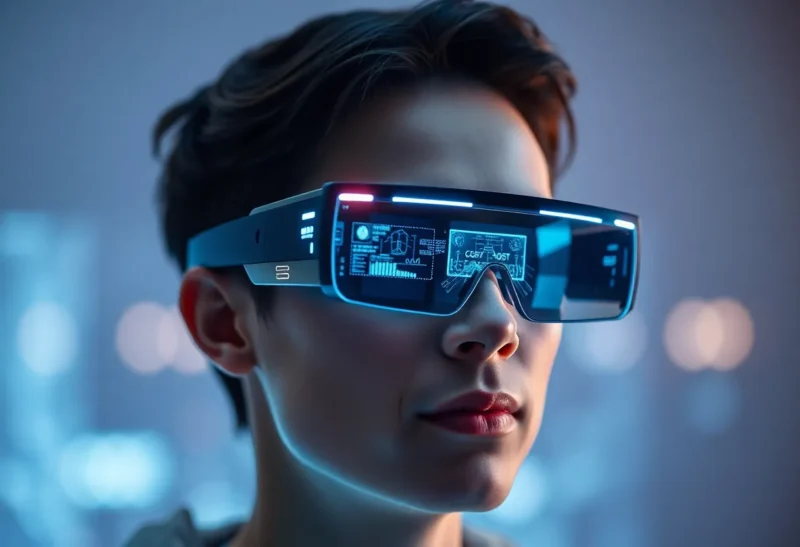
Smart glasses had a moment. Google Glass landed with a thud. Snap’s Spectacles never became everyday wear. Meta’s Ray-Ban collab is a camera with a brand, not a new computing platform. Apple’s Vision Pro is powerful but tethered to a battery pack and a price tag that keeps it out of the mainstream. Meanwhile, the dream—information and interfaces floating in front of your eyes without a phone in your hand—remains just that. So what would it take for AR glasses to finally cross the chasm?
The short answer: better displays, longer battery life, and a reason to wear them that isn’t “because they’re cool.” The longer answer is about learning from why smart glasses kept failing and fixing the things that actually matter.
Why Smart Glasses Kept Failing
Most smart glasses so far have been one of two things: a camera with a tiny notification LED, or a heavy headset with great AR but terrible ergonomics. The first kind doesn’t do enough to justify wearing glasses at all. The second does too much—it’s a full spatial computer—but at the cost of weight, heat, and social awkwardness. Neither found a daily-use case that outweighed the friction.
Then there’s the “glasshole” problem. Early adopters wearing cameras on their faces made everyone else uncomfortable. Privacy concerns weren’t invented by Glass, but Glass made them visible. AR glasses that want to go mainstream have to either avoid outward-facing cameras for a while or make recording so obvious and controllable that it doesn’t feel invasive. So far, no one has threaded that needle.
Display: Bright Enough for the Real World
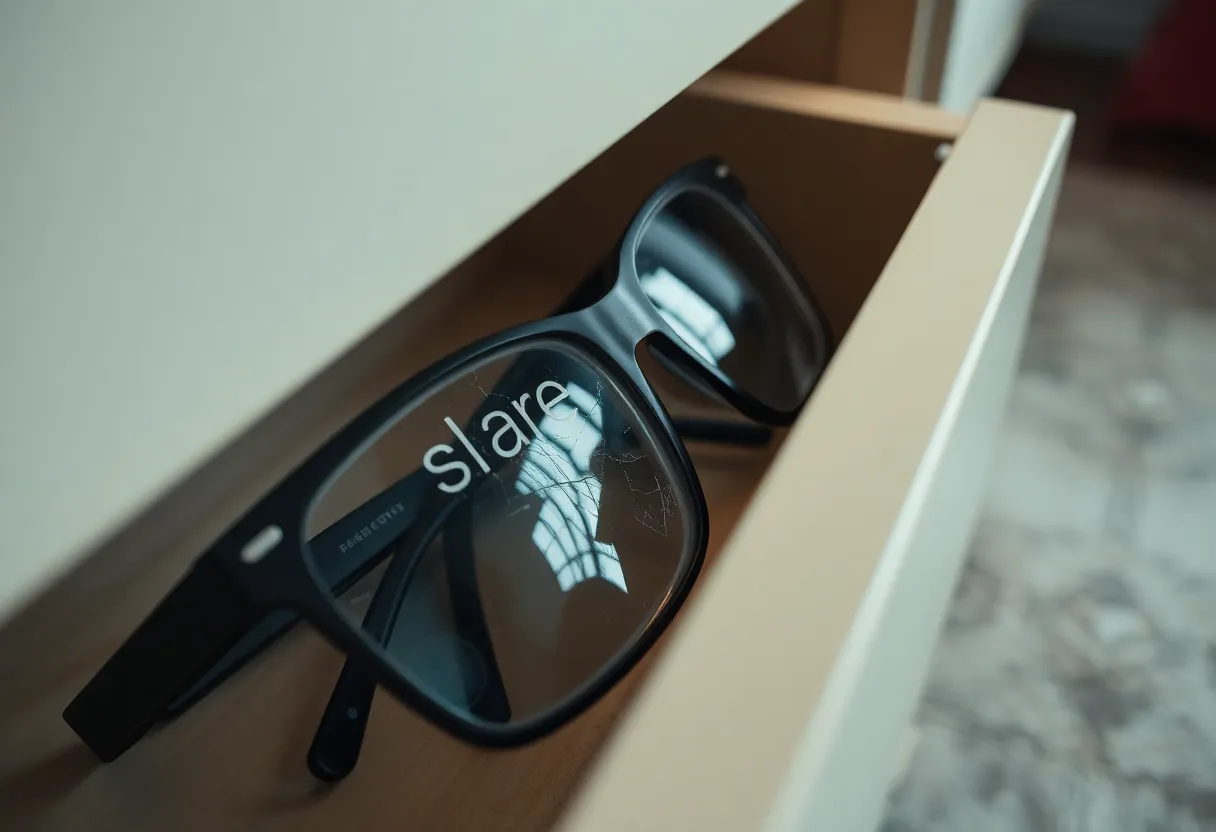
AR means overlaying digital content on the real world. Outdoors, the real world is bright. Sunlight can be 100,000 lux. A typical phone screen is a few hundred nits. For an AR image to be visible in daylight, the waveguide or micro-LED display has to be extremely bright and efficient. Most current consumer AR optics are dim, tinted, or both. You get a nice demo in a dark room and a washed-out mess on a sunny street.
Next-gen displays—micro-LED, laser scanning, better waveguides—are improving. The constraint isn’t just technology; it’s power. Brighter displays drain the battery faster. So AR glasses need a display that’s bright enough to be useful everywhere and efficient enough to run for a full day. We’re not there yet. Until we are, AR glasses will stay indoors or in controlled environments.
Battery and Form Factor
Nobody wants to wear a brick. Smart glasses that did “real” AR either had a short runtime or a big battery pack. The ideal is something that looks like normal glasses, weighs like normal glasses, and runs for eight hours. That’s a brutal engineering challenge. CPU, GPU, display drivers, sensors, and radios all draw power. Shrinking the battery to fit the frame means either cutting features or accepting a few hours of use.
One path is to offload heavy work to the phone—glasses as a display and input device, phone as the brain. That keeps the glasses light but ties you to your pocket. Another is to push efficiency hard: custom chips, aggressive power gating, and displays that don’t burn watts. We’re seeing both. The product that wins will likely be a hybrid: enough onboard compute for low-latency AR, with heavy lifting handed off to a companion device when needed.
The Killer Use Case
Smart glasses failed in part because they had no killer app. Notifications? Your wrist or pocket already do that. Navigation? Glancing at your phone is fine. The only use case that consistently got people to wear something on their face was photography—and that triggered the privacy backlash.
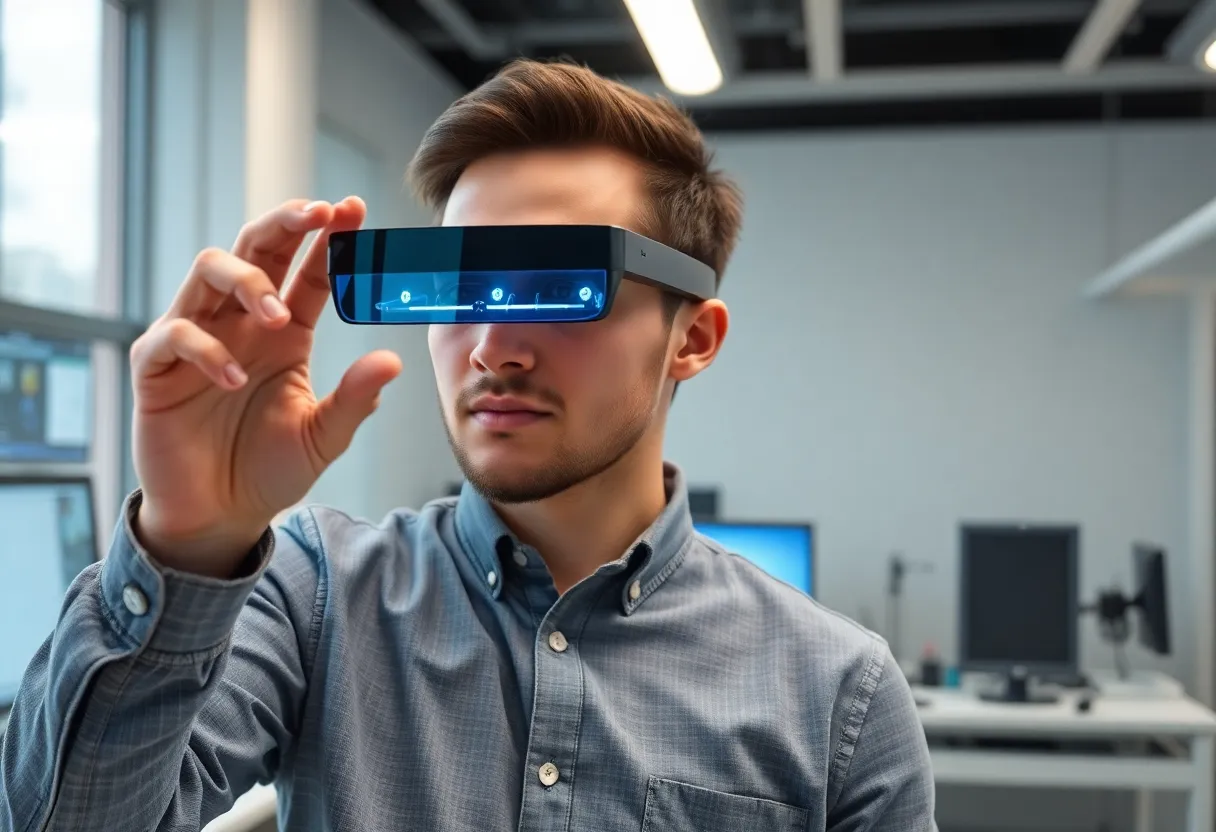
AR glasses need a use case that is both compelling and acceptable. That could be hands-free instructions for repair or assembly. It could be real-time translation or captions in your field of view. It could be contextual information—names, directions, notes—overlaid on the world in a way that doesn’t feel like a HUD from a video game. The key is that it has to be something you can’t do as well with a phone, and it has to be something you’d want in public. We’re still searching.
What Has to Change
For AR glasses to succeed where smart glasses failed, three things have to happen. First, displays have to get bright and efficient enough for all-day, outdoor use. Second, the industrial design has to land at “normal glasses” weight and style, with battery life that doesn’t force you to charge at lunch. Third, there has to be at least one application that makes people want to put them on every morning—and that application can’t rely on a camera that makes everyone else uneasy.
We’re closer than we were. The tech is moving. The question is whether the next wave of products will be the ones that finally get the formula right—or another round of “almost” that we look back on in five years and wonder why we thought it was so hard. My bet: the first pair that looks like glasses, lasts all day, and does one thing you can’t do better on your phone will be the one that breaks through. Everything else is a stepping stone.