Wearable HRV vs Resting Heart Rate: Which Metric Predicts Burnout Better in 2026

Maya Chen
April 7, 2026
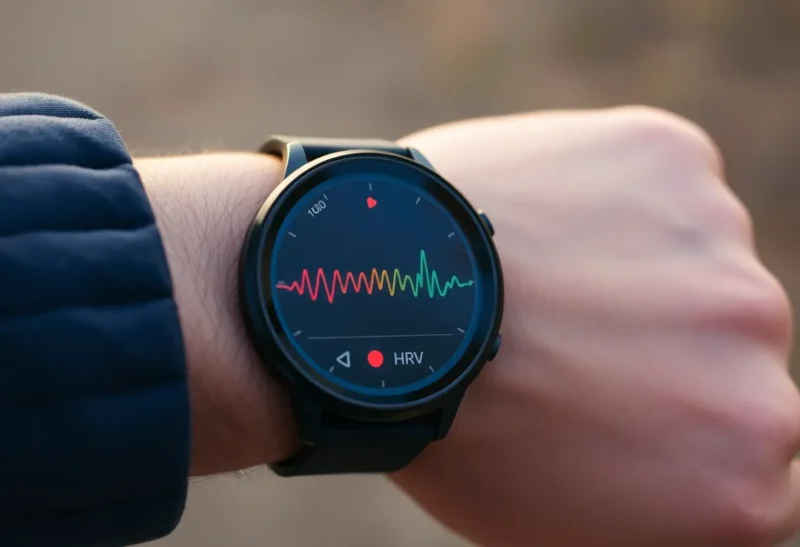
Consumer wearables turned autonomic nervous system proxies into breakfast-table small talk. Resting heart rate (RHR) is easy to explain: lower often means fitter, within reason. Heart rate variability (HRV) is harder — a statistical shimmer between beats that vendors summarize into “readiness” scores with cheerful colors. If you are trying to sense burnout before you face-plant into a deadline, which signal actually helps — and which one merely decorates your anxiety?
This article compares HRV and RHR as behavioral early-warning tools, not clinical diagnoses. It is general education, not medical advice; if you have chest pain, fainting, or sustained palpitations, call a professional immediately, not a dashboard.
What each metric is actually measuring
Resting heart rate reflects average beats per minute when you are calm and still. Training, heat, caffeine, illness, anxiety, thyroid issues, medications, and dehydration all move it. It is blunt but stable enough to trend week to week.
HRV captures how much beat-to-beat intervals vary — often summarized as RMSSD or SDNN depending on device and algorithm. Higher parasympathetic tone frequently associates with higher HRV in healthy adults at rest, but context matters: age, sex, time of day, breathing pattern, alcohol, and sensor quality dominate single readings.

Why burnout is a bad match for single numbers
Burnout blends chronic stress, sleep debt, cognitive load, and often mood disruption. Physiology lags psychology and leads it in inconsistent ways. Some people spike RHR early; others show little change while HRV collapses. Some show noisy HRV but stable RHR because they are still exercising, masking sympathetic load with cardiovascular fitness.
Expecting one wearable column to “predict burnout” is like expecting a smoke alarm to tell you which room started the fire. You want triangulation: sleep regularity, subjective fatigue, performance slips, and social withdrawal — not a ring light turning red.
When RHR is the clearer canary
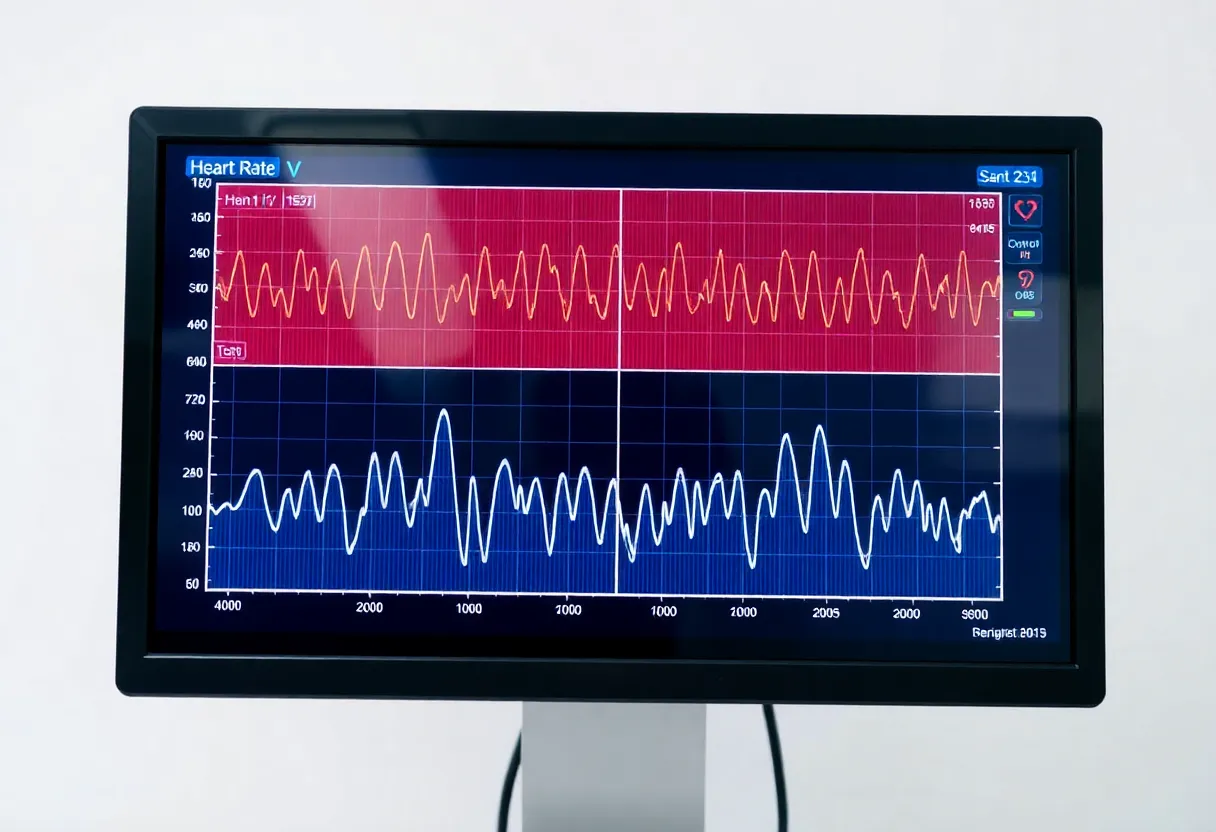
- Illness onset — Fever and systemic inflammation often lift RHR before you feel heroic.
- Overtraining — Elevated morning RHR plus poor performance can flag recovery debt.
- Dehydration and heat — Classic, coarse, but visible.
For burnout specifically, RHR can rise with sustained stress and poor sleep, but it is confounded easily: you might train harder to “push through,” temporarily depressing RHR while cognitive symptoms worsen.
When HRV adds nuance
HRV can respond to acute mental stress and poor sleep faster than weekly RHR averages — sometimes. The catch is measurement repeatability: wrist optics during the day are noisier than a morning chest strap protocol. If your routine varies, your HRV series varies, and the app’s “readiness” becomes storytelling.
Where HRV shines is intra-person trending under consistent conditions: same wake time, same seated minute, same breathing. Then drops may flag autonomic shift worth investigating — sleep, alcohol, illness, or emotional load.
Practical protocol if you insist on wearables for burnout radar
Consistency beats sensor spec. A mediocre optical wrist sensor on a disciplined schedule often beats a medical-grade strap used randomly. Your goal is to remove degrees of freedom that masquerade as “health changes”: different wake times, secret midnight snacks, and doomscrolling in bed all rewrite autonomic tone faster than a staff meeting.
- Pick one morning slot — After bathroom, before coffee, seated quietly for two minutes.
- Track seven-day baselines — Ignore single-day drama.
- Pair with sleep and mood notes — One-line journal beats overfitting to graphs.
- Define interventions — If HRV and RHR both trend wrong alongside symptoms, change something real: sleep window, meeting load, therapy cadence — not just watch faces.
Which “predicts better” in 2026?
Neither wins universally. For early physiological drift tied to recovery and illness, RHR is simpler and robust. For nuanced autonomic stress when measured well, HRV can precede subjective reports — sometimes. For burnout as a lived syndrome, the best wearable signal is whatever you will measure consistently plus behavioral context. Apps that merge HRV, RHR, sleep staging, and activity are guessing with models you cannot audit; treat them as nudges, not diagnoses.
Privacy and workplace misuse
Employer wellness programs that mine HRV should raise eyebrows. These metrics are sensitive to health conditions you may not want shared. Read policies before syncing work accounts.
Even well-meaning managers can misread a red recovery day as laziness rather than autonomic overload. If your workplace gamifies biometrics, consider keeping personal health data on personal accounts and devices, and know your local labor and privacy protections before opting in to anything “voluntary” that appears on performance reviews.
Bottom line
HRV versus RHR is not a prizefight; it is complementary instrumentation with different failure modes. For burnout, prioritize stable measurement, multi-week trends, and honest self-report. A watch can prompt a pause; it cannot replace boundaries, support, and rest. If your metrics look fine while you feel shattered, trust the human signal — and get help that does not charge by the month.
The wearable is a flashlight in a dark room: aim it at the floor so you do not trip, not at your eyes so you cannot see the exit.
Kids, pregnancy, and meds: why population averages lie
HRV norms shift with hormones, age, autonomic meds, beta blockers, and anxiety disorders. Comparing your number to a friend’s leaderboard is recreational, not clinical. Your baseline is the only baseline that matters.
Alcohol, caffeine, and the silent HRV wrecking ball
Even moderate late-night alcohol can suppress overnight HRV while RHR looks “okay” the next morning. Caffeine timing shifts autonomic balance within an hour, sometimes dramatically if you are sleep-deprived. If you correlate poorly, start with those confounders before buying a new sensor.
Sensor placement and optical noise
Tattoos, cold hands, loose straps, and hairy wrists are not cosmetic issues — they are SNR issues. A bad optical window generates synthetic smoothness in apps that hides chaos underneath. If readings disagree wildly across devices, distrust both until you standardize fit and timing.
Mental health overlap
Anxiety and depression reshape sleep and autonomics in overlapping patterns. Wearables cannot disambiguate. If scores look ominous for weeks while mood suffers, consider professional evaluation rather than firmware updates.
Action thresholds that are not superstition
Instead of vendor red/yellow zones, define personal rules: e.g., “If morning RHR is >7 bpm above my four-week average for five days and sleep is fragmented, I cancel one nonessential commitment.” Mechanical rules beat mystical graphs, and they are easier to explain to a manager than a rainbow recovery ring.
Longitudinal value vs gamification traps
Streaks and badges can incentivize unhealthy overtraining or orthosomnia — anxiety about perfect sleep scores. If the wearable increases worry, it is worsening the stress loop it claims to monitor quietly. Turn off punitive notifications.
What research still argues about
Studies differ on HRV’s predictive power for occupational stress because protocols differ. Effect sizes are modest; life context is huge. Wearable companies extrapolate; scientists qualify. You should too.
Use the metrics as a mirror, not a verdict. When the mirror disagrees with your body for weeks, pick people over pixels.
Shift work and jet lag: when “morning” is a fiction
Fixed morning measurement advice assumes a stable circadian anchor. Rotating shifts and rapid time-zone hops scramble both RHR and HRV rhythms in ways that take days to settle. If your schedule is chaotic, trend within each shift pattern separately, or accept wider variance and lean heavier on sleep duration and subjective stress markers.
Respiration and HRV biofeedback
Slow breathing can raise short-term HRV without changing fitness — useful for calm, useless as a brag metric. If you biofeedback before your baseline reading, you are measuring technique, not chronic load. Keep protocols separate: relaxation practice is not the same data stream as passive monitoring.
Women’s health: cycles and contraception
Hormonal phases influence resting heart rate and variability. Some users see predictable mid-luteal shifts; others do not. Tracking cycle phase alongside wearable metrics reduces false alarms. Hormonal contraception and HRT add layers — discuss persistent anomalies with a clinician rather than tuning app sensitivity sliders.
Recovery scores vs clinical vitals
Vendor “recovery” composites often blend HRV, RHR, sleep, and activity load with proprietary weighting. They can be helpful heuristics or opaque anxiety engines. If you cannot explain how a score is built, downgrade its authority in your decision-making.
When to stop looking at the watch
Orthosomnia and metric hypervigilance are real. If checking readiness becomes the first and last act of the day, try a blind week: wear the device, ignore scores, review trends only on Sundays. If mood improves, your wearable was a stressor wearing a wellness costume.
Integrating with therapy and coaching
Therapists increasingly see clients arrive with charts. Useful when framed as context; harmful when used to invalidate feelings (“my HRV is fine so I should not be tired”). Pair physiological trends with narrative — that combination predicts sustainable change better than either alone.
Hardware upgrade traps
New sensors rarely fix inconsistent routines. Before buying generation n+1, audit protocol: strap tightness, charging before bed, software permissions killing background reads. Dollars spent on discipline beat dollars spent on ceramic cases for signal clarity you will not use.