Thread Border Router on Raspberry Pi: Stability Wins That Matter in 2026

Sam Chen
April 7, 2026
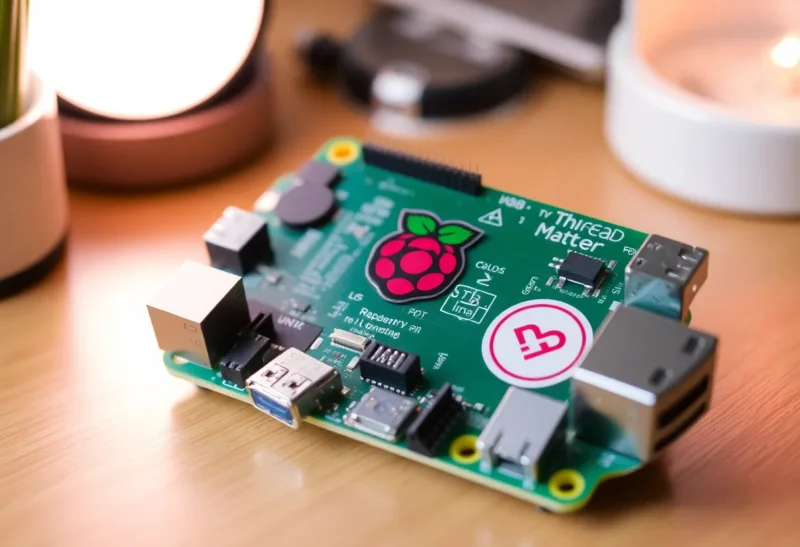
Thread was sold as the calm cousin of Zigbee and Wi-Fi chaos: IPv6-ish thinking, sleepy routers, and Matter sitting on top so your accessories stop arguing about brands. Someone still has to be the border router—the bridge between your Thread mesh and the rest of your LAN (and, if you are not careful, the cloud). In 2026, a Raspberry Pi running open-source stacks remains a popular way to wear that hat. Popularity does not equal plug-and-play serenity.
This article focuses on stability: power, radios, firmware cadence, Ethernet vs Wi-Fi backhaul, and the boring observability that keeps Thread from becoming “that flaky subnet only the thermostat likes.”
What the border router actually does
Thread devices form a low-power mesh. They need a router-capable node that also speaks to your home IP network so phones, Home Assistant, or Apple Home can reach them. The border router is that junction. If it reboots randomly, sleeps its USB radio, or sits on a noisy Wi-Fi uplink, the mesh looks sick even when individual sensors are innocent.

Why Pi stacks win—and how they fail
Raspberry Pi border routers win on flexibility: you can pair OpenThread Border Router with Docker, run companion services, snapshot SD cards (or prefer SSD boot), and log aggressively. They fail when treated like appliances without UPS, cooling, or pinned software versions. A Pi on a marginal power supply will gaslight your entire smart home.
Radio choices and USB reality
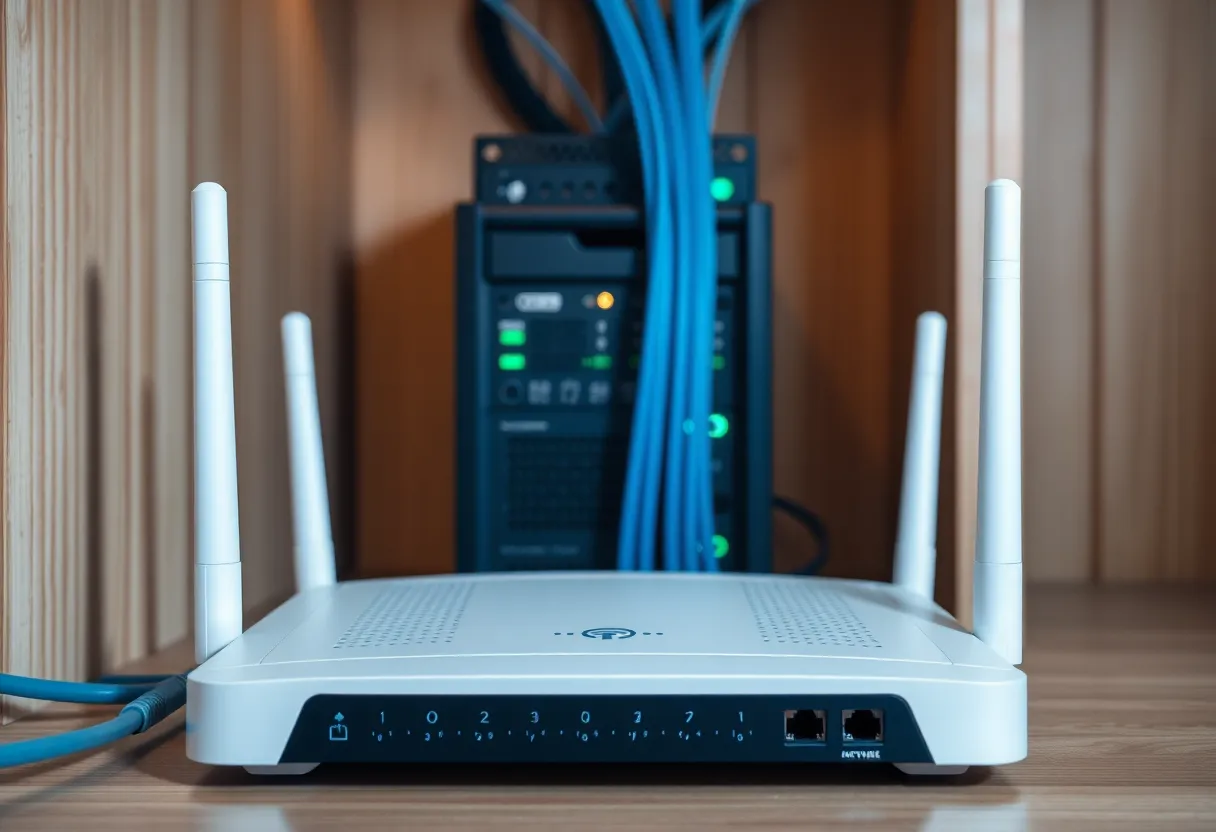
Multiprotocol radios are convenient until firmware interactions bite. Some builders prefer dedicated Thread sticks with known good firmware tracks; others integrate radios on carrier boards. Whatever you pick, treat USB as a mechanical connection—strain relief matters in tight media cabinets. If the dongle wiggles, your mesh will look “intermittent,” the worst adjective in networking.
Ethernet backhaul is not optional for serious installs
Wi-Fi uplink from the Pi to your LAN can work; Ethernet works predictably. Thread is sensitive to upstream flaps because commissioning and mDNS-style discovery already confuse humans. If you must use Wi-Fi, isolate the Pi near a strong AP and monitor latency. If you can run a cable, run the cable. This is the stability win that costs almost nothing except pride.
Power: UPS, PoE, and under-voltage traps
Thread routers should survive brief power glitches better than cloud bridges, but only if the Pi does not brown out. A small UPS for the Pi and core switch pays for itself the first time a vacuum cleaner trips a breaker. Undervoltage throttling manifests as mysterious Thread detachments long before the classic lightning bolt icon appears in docs you never read.
Updates: the double-edged kernel
OpenThread and distro packages move. Automatic updates keep you patched; automatic updates also occasionally break userspace assumptions. Stable homes pick a rhythm: monthly maintenance windows, snapshots before upgrades, and reading release notes for radio firmware changes. Flying blind on apt upgrade is a hobby; documenting versions is infrastructure.
Coexistence with Wi-Fi and Zigbee
2.4 GHz remains crowded. Separate dongles on extension cables, sane channel planning, and physical spacing reduce self-interference. If your Thread border router sits on top of a Zigbee coordinator, do not act surprised when both subsystems blame each other. Separation is engineering, not superstition.
Observability you will actually look at
Export simple health signals: router uptime, USB reset counts, Thread leader changes, and neighbor table churn. A five-minute Grafana panel beats a weekend of “it seemed fine until it didn’t.” When something regresses after an update, you want timestamps, not vibes.
Matter adds policy, not patience
Running Matter controllers alongside Thread on the same Pi can concentrate load: certificate handling, commissioning flows, and database writes spike together. That is fine on a Pi 4 or 5 with headroom and SSD storage; it is less fine on an older board sharing an overloaded SD card with logging. If commissioning feels flaky, check I/O wait before blaming Thread itself.
When not to use a Pi
If the household needs a zero-touch appliance and nobody wants SSH, commercial border routers bundled with ecosystems may be saner. Pi shines when you want local control, custom logging, and the ability to yank a bad update. Choose accordingly.
Bottom line
A Raspberry Pi Thread border router is a small Linux server wearing a mesh hat. Stability comes from power, cabling, radio hygiene, and disciplined updates—not from buying a fancier case. Treat it like infrastructure and Thread stops feeling magical; it just works, which is the only magic worth paying for.