The Uncomfortable Economics of Undersea Cable Ownership

Halima Okafor
March 7, 2026
Who Owns the Pipes
Most of the world’s internet traffic between continents travels over undersea cables. They’re critical infrastructure—and their ownership and economics are messy. A handful of consortia and a few big tech companies own or co-own the cables; everyone else buys capacity. The result is concentrated control, high barriers to entry, and political and economic tensions that don’t show up in a speed test.
How Undersea Cables Get Built
Building a new cable is expensive: hundreds of millions to over a billion dollars for a long route. Few players can fund that alone. So cables are usually built by consortia—telcos, ISPs, and sometimes tech giants—that each take a share of the capacity or the cost. In return they get guaranteed capacity and a say in the cable’s lifecycle. Big tech (Google, Meta, Microsoft, Amazon) has increasingly funded or co-funded cables to serve their own traffic and data centers. That gives them control and capacity; it also ties global connectivity to their interests.
The Economics of Capacity
If you’re not an owner, you buy capacity—indefeasible right of use (IRU) or shorter-term leases—from the consortium or a wholesaler. Prices vary by route, demand, and competition. New cables add capacity and can lower prices on a route; old cables get retired when they’re too expensive to maintain or too slow. The economics favor dense, high-traffic routes (e.g. transatlantic, US–Europe, US–Asia). Less profitable routes get fewer cables and less redundancy, which is why some regions are one cable cut away from major outages.
Geopolitics and Security
Cable ownership and landing points are geopolitical. Governments worry about who controls the cable, who can tap it, and where it lands. Some countries restrict foreign ownership or require landing points on their soil. Cable cuts—whether from anchors, fishing, or sabotage—can disrupt a country or region. Repair ships are limited and repairs take days or weeks. So ownership isn’t just commercial; it’s about who has leverage when something goes wrong.
Repair, Maintenance, and Single Points of Failure
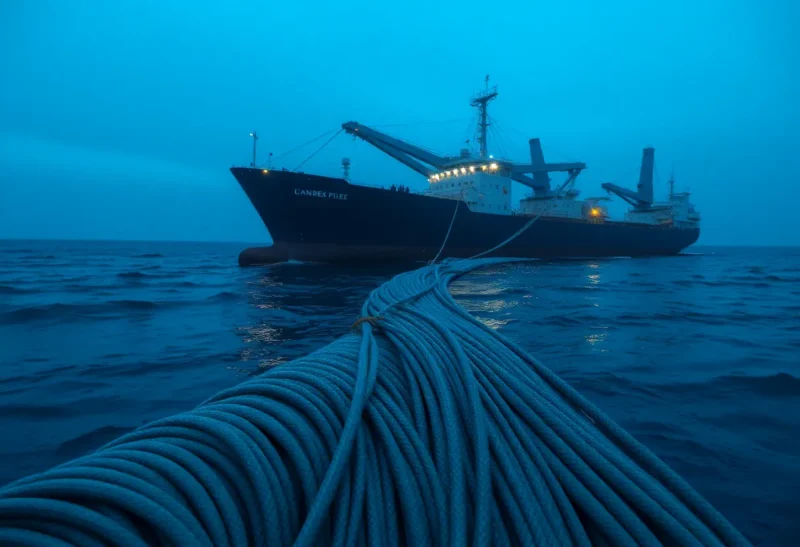
Cables break. Ships’ anchors, fishing gear, and natural events can cut a cable. When that happens, traffic reroutes over other cables—if they exist. On some routes there’s enough redundancy; on others, a single cut can take out a country’s primary link. Repair is slow: specialized ships, finding the fault, hauling the cable up, splicing, and redeploying can take weeks. The cost of repair is shared by the consortium. So ownership isn’t just about capacity; it’s about who pays when things fail and who has a say in when and how repairs happen.
Satellite and Alternatives
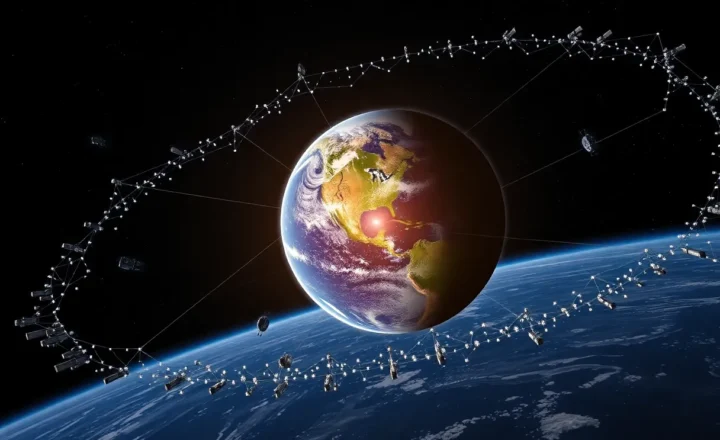
Satellite systems (e.g. Starlink) are often framed as alternatives to undersea cables. For some use cases they are—remote areas, resilience, or backup. But for bulk international traffic, fiber cables still carry the vast majority of data at much lower cost per bit. Satellites add diversity but don’t replace the economics of cable ownership. The uncomfortable economics of who owns and funds cables will remain central to global connectivity for a long time.
Why This Is Uncomfortable
The uncomfortable part: a small set of owners controls a disproportionate share of global backbone. Tech giants that run the cloud and consumer services also own or co-own the cables that connect their data centers. That’s rational for them but raises questions about competition, resilience, and who decides where cables go and who gets capacity. There’s no easy fix—building cables is capital-intensive and consortia are how the industry has always worked. But the economics of undersea cable ownership are worth understanding, because they underpin who actually controls the internet’s plumbing.