The Science of Why Caffeine Works—and Why Tolerance Develops

Dr. Sophie Andersson
July 7, 2026

Caffeine is the most widely consumed psychoactive substance in the world. Billions of people use it daily, usually without thinking much about how it works. The mechanism is elegantly simple compared to most drugs of significant effect, which makes it a useful starting point for understanding neurochemistry: caffeine doesn’t directly stimulate the brain—it blocks the signal that tells your brain it’s tired.
Adenosine: The Brain’s Tiredness Signal
To understand caffeine, you first need to understand adenosine. Adenosine is a neuromodulator—a signalling molecule—that accumulates in the brain during wakefulness as a byproduct of neuronal activity. The longer and harder your brain works, the more adenosine builds up in the extracellular fluid surrounding neurons. Adenosine binds to specific receptors (primarily adenosine A1 and A2A receptors) that are widely distributed throughout the brain, including in the cortex, basal ganglia, and the areas involved in arousal regulation.
When adenosine binds to its receptors, it inhibits neuronal activity. In the specific circuits involved in arousal—including the pathways running from the basal forebrain and other wake-promoting regions—adenosine binding suppresses the neuronal firing that maintains wakefulness. The progressive accumulation of adenosine over the course of the day is the primary driver of what sleep researchers call “sleep pressure” or “sleep drive”—the increasing urge to sleep that builds from the moment you wake up and dissipates during sleep as the brain clears adenosine.
This is the homeostatic component of the two-process model of sleep regulation: the sleep drive (process S) accumulates during wakefulness and is discharged during sleep. It interacts with the circadian component (process C), the roughly 24-hour biological clock that promotes wakefulness during the day and sleep at night. Together, these two systems govern when you feel alert and when you feel tired.
How Caffeine Blocks Adenosine
Caffeine is a competitive antagonist of adenosine receptors. Its molecular structure is similar enough to adenosine that it binds to the same A1 and A2A receptors, but different enough that binding caffeine to the receptor doesn’t activate it—caffeine occupies the receptor without triggering the inhibitory signal that adenosine would trigger. It blocks the receptor from being activated by adenosine, which was present and accumulating before you consumed the caffeine.
The key insight is that caffeine doesn’t remove adenosine from the brain or slow its accumulation. The adenosine continues to build up while caffeine is circulating. When caffeine is metabolised and cleared from the receptors, the adenosine that accumulated while the receptors were blocked is now free to bind—which is a large part of why caffeine withdrawal and post-caffeine fatigue (“crashing”) are so pronounced.
By blocking adenosine receptors in the basal ganglia, caffeine also indirectly increases dopamine and norepinephrine signalling. The dopaminergic effects contribute to caffeine’s mood-elevating and motivation-enhancing properties; the noradrenergic effects contribute to increased heart rate and the heightened arousal state. These secondary effects are indirect consequences of the adenosine blockade rather than direct actions on dopamine or norepinephrine systems—which distinguishes caffeine’s mechanism from stimulant drugs that directly release these neurotransmitters.
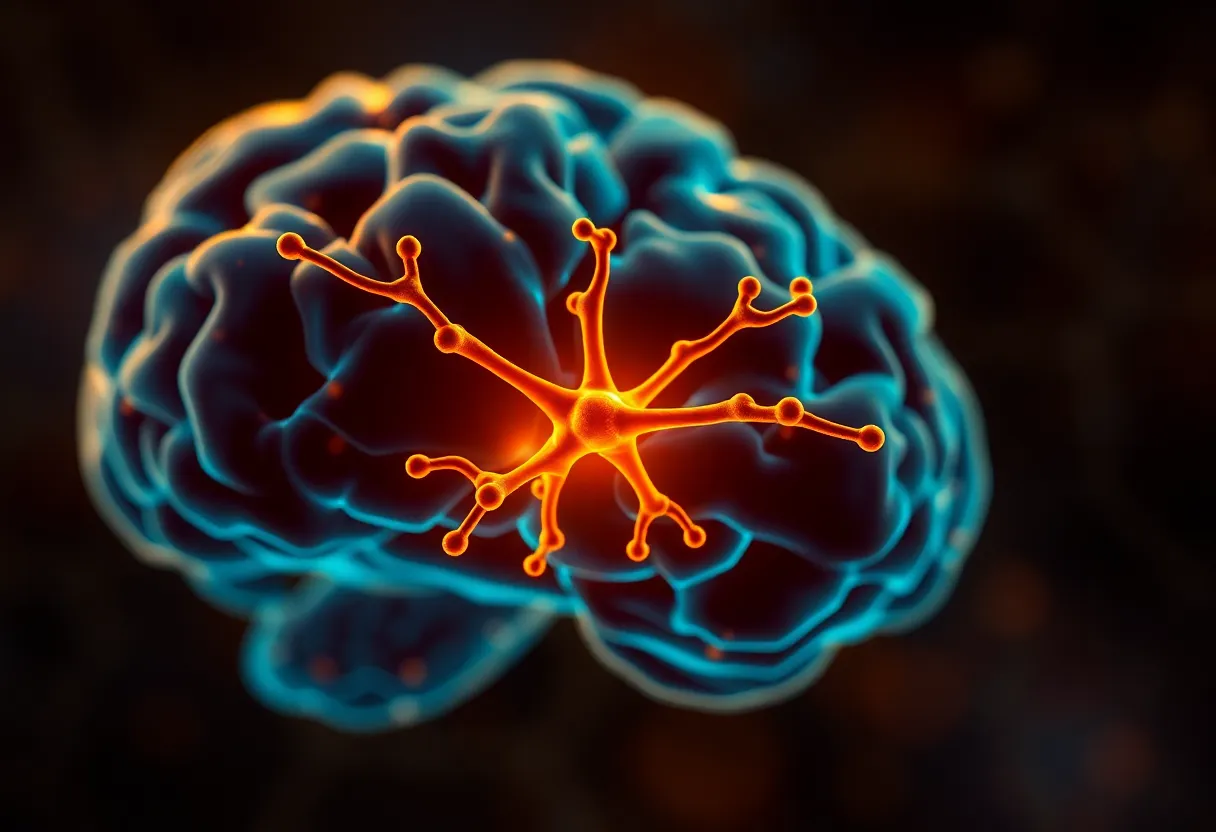
Pharmacokinetics: How Long It Lasts
The timeline of caffeine’s effects is determined by its pharmacokinetics—how the body absorbs, distributes, and eliminates it. Caffeine is rapidly absorbed from the gastrointestinal tract, reaching peak plasma concentration within 30–60 minutes of consumption. It crosses the blood-brain barrier efficiently, reaching effective concentrations in brain tissue shortly after absorption.
The elimination half-life of caffeine in healthy adults averages approximately 5–6 hours—meaning that half of the caffeine from a morning cup of coffee is still in the system at mid-afternoon. Considerable individual variation exists: genetic polymorphisms in the CYP1A2 enzyme (which metabolises caffeine in the liver) produce “fast metabolisers” who clear caffeine in 3–4 hours and “slow metabolisers” who may take 8–10 hours to clear the same dose. Smoking also substantially accelerates caffeine metabolism, while oral contraceptives slow it.
The practical implication: caffeine consumed in the afternoon can significantly affect sleep quality even if you don’t feel wide awake at bedtime, because the adenosine blockade during the hours before sleep prevents the normal accumulation of sleep pressure, making it harder to fall asleep and reducing slow-wave (deep) sleep even in people who can fall asleep. Sleep researcher Matthew Walker has documented that caffeine consumed 6 hours before bedtime reduces measurable sleep quality even in subjects who report sleeping normally—the effects are below conscious detection but visible in sleep stage analysis.
Why Tolerance Develops
Regular caffeine consumers find that the same dose produces diminishing effects over time. This tolerance develops through a specific mechanism that differs from the tolerance mechanism for many other psychoactive substances.
Chronic adenosine receptor blockade—which is the daily condition of a regular coffee drinker—triggers upregulation of adenosine receptors. The brain responds to the repeated blockade of its adenosine signalling system by producing more adenosine receptors, in what is essentially a compensatory response to restore the balance of adenosine signalling that the caffeine is disrupting. With more receptors, any given caffeine dose blocks a smaller fraction of the total receptor population, reducing its effect. Over days to weeks of regular consumption, the brain reaches a new equilibrium with more receptors, requiring more caffeine to achieve the same receptor occupancy and the same alertness effect.
This upregulation is also why caffeine withdrawal is unpleasant. When caffeine is withheld from a regular consumer, the abundant adenosine receptors (upregulated in response to chronic blockade) are suddenly available to be bound by all the accumulated adenosine. The amplified adenosine signalling produces pronounced fatigue, headaches (adenosine dilates cerebral blood vessels, and the rebound vasodilation is a primary cause of caffeine withdrawal headaches), irritability, and difficulty concentrating. These symptoms typically peak at 24–48 hours after last caffeine intake and resolve within 3–7 days as receptor counts downregulate toward baseline.
The Paradox of Regular Use
The tolerance mechanism creates a paradox for regular caffeine users: the primary subjective experience of caffeine for a habitual user is not the alertness enhancement that caffeine produces in naive users but rather the reversal of the withdrawal effects from not having consumed caffeine recently. A study examining objective cognitive performance in habitual caffeine users found that caffeine brought performance back to the non-deprived baseline rather than elevating it above baseline—the improvement from “needing coffee” to “having coffee” is largely the removal of caffeine deprivation rather than genuine enhancement.
For non-habitual users, caffeine does produce genuine performance enhancement—faster reaction times, improved sustained attention, better mood—beyond their caffeine-free baseline. The magnitude of these effects diminishes with habitual use as tolerance develops.
This doesn’t mean regular caffeine consumption is without value. Many users report that their morning caffeine significantly improves their functional state, which is accurate—it does, relative to the caffeine-deprived state they’d be in without it. The question of whether a habitual user is better off than a non-user is more complex: it depends on sleep quality, individual variation in adenosine metabolism, the social and ritual aspects of coffee consumption, and what happens to the accumulated adenosine that caffeine was blocking.
Practical Implications
The adenosine mechanism and its implications for sleep have practical implications beyond the obvious “don’t drink coffee too late.” Caffeine consumed first thing upon waking—before adenosine has had a chance to accumulate during the early morning hours—may be less effective than caffeine delayed by 60–90 minutes, because cortisol (which is naturally high in the first hour of waking) already provides alertness, and waiting allows some adenosine to accumulate for the caffeine to meaningfully block.
Periodic caffeine abstinence (a week every few months, or a gradual reduction) allows receptor counts to downregulate, resetting tolerance and making caffeine more effective at lower doses when reintroduced. This is uncomfortable for about 3–7 days but produces sustained sensitivity improvement for weeks afterward.
The consistency of caffeine intake timing matters more than many users appreciate. Consuming caffeine at substantially different times on different days creates variable patterns of adenosine accumulation and receptor occupancy that can disrupt sleep timing even when total consumption is moderate. The body’s circadian-adenosine system works best when caffeine is used predictably.