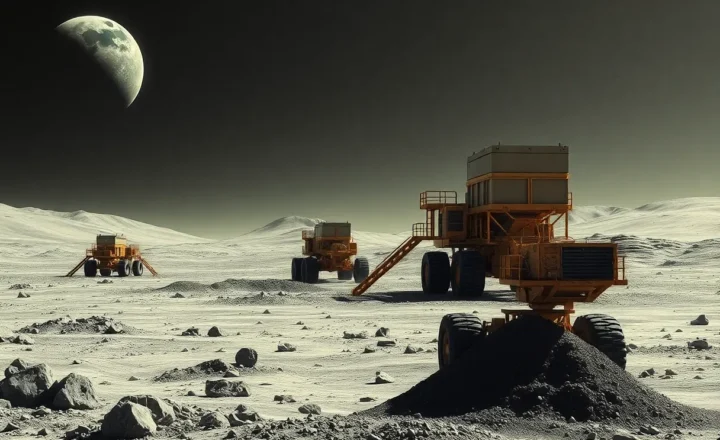
The Lunar Base Isn’t Science Fiction Anymore—Here’s the Timeline

Robin Hayes
February 24, 2026
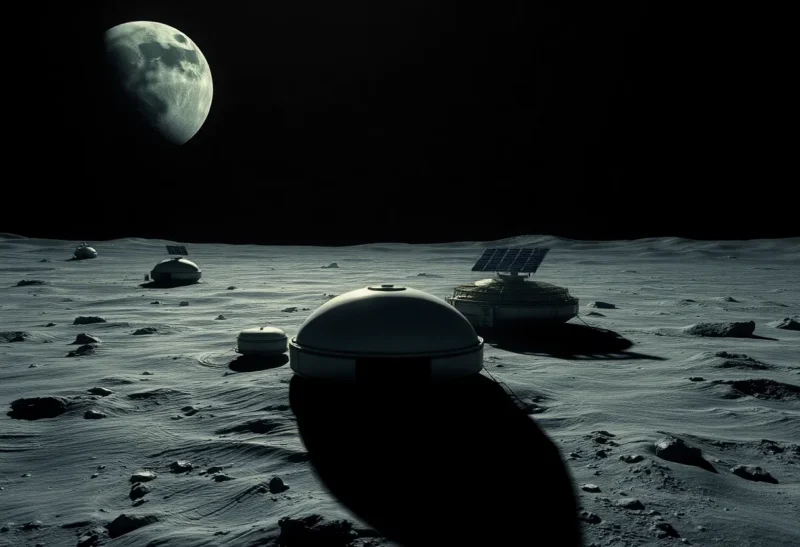
For decades, a permanent human presence on the Moon lived in the realm of blueprints and dreamers. Today it lives in flight manifests and hardware. NASA’s Artemis program, commercial landers, and international partners have turned the lunar base from a “someday” into a “this decade.” Here’s the timeline that actually matters—and what has to go right for it to hold.
Why Now?
Two things changed: technology and politics. Heavy-lift rockets (SpaceX’s Starship, NASA’s SLS, and soon others) can deliver the mass needed for habitats, power, and logistics. In-situ resource use—making water, oxygen, and propellant from lunar ice and regolith—has moved from theory to funded experiments. On the policy side, the US has committed to Artemis and the Moon as a stepping stone to Mars; China is building its own lunar program; and ESA, JAXA, and others are in the mix. The result is a real schedule with real hardware.
The goal isn’t just flags and footprints. It’s a sustained outpost: power systems, habitats, rovers, and eventually the ability to refuel spacecraft on the Moon. That’s what turns the Moon into a hub instead of a one-off destination. Apollo proved we could get there. Artemis and its partners are proving we can stay—and use the place.
Why the South Pole?
Every Artemis surface mission is aimed at the lunar south pole. The reason is simple: sunlight and ice. Peaks of Eternal Light are high points that see near-continuous sun, ideal for solar power. Shadowed craters nearby hold water ice—confirmed by orbital instruments—that can be mined for life support and propellant. You get power and consumables in one region instead of hauling everything from Earth. That combination is why the south pole is the only serious candidate for a first base.
The Near-Term Calendar
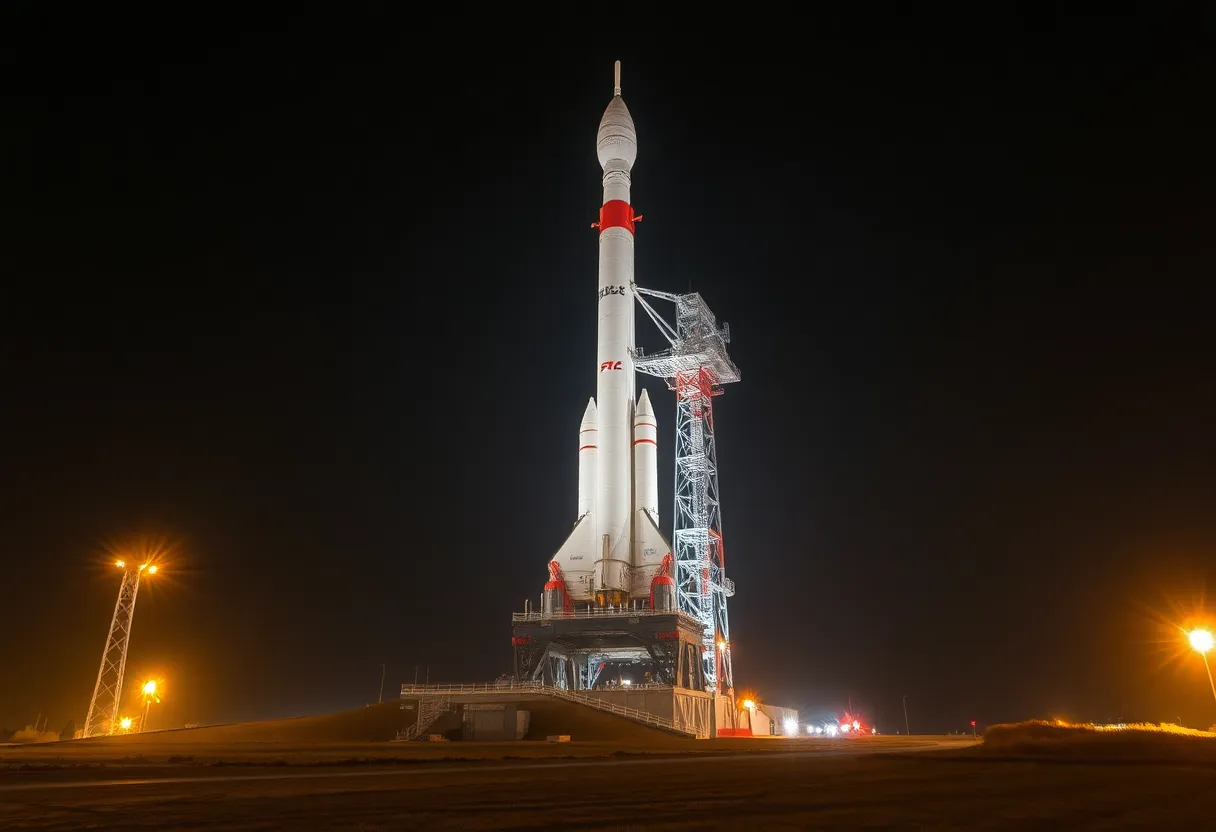
Artemis II (planned 2025) will send a crew around the Moon and back—no landing. It validates life support, radiation exposure, and operations for the next step. Artemis III is currently the first crewed landing, targeting the lunar south pole. That mission will use a human landing system (Starship HLS in the current plan), with astronauts spending several days on the surface and doing EVAs. After that, Artemis IV and beyond add the Lunar Gateway—a small station in lunar orbit—and more surface missions. Gateway gives a staging point for landers and a place to aggregate cargo and crew; it’s not a requirement for the first landing but it becomes central as the campaign scales.
In parallel, CLPS (Commercial Lunar Payload Services) missions are already flying. These robotic landers deliver science and tech demos to the surface. Some have failed; some have succeeded. The point is iteration: getting landers, power, and communications proven so that when crew and bigger payloads show up, the infrastructure isn’t starting from zero. Each CLPS flight teaches something—about trajectory, landing hazards, or payload integration—that feeds into the next. That’s how you go from “we’ve never landed here” to “we do this routinely.”
From Camp to Base
The first few crewed missions will be short stays: a week or so, with everything they need brought from Earth. The shift to a “base” happens when we stop bringing every kilogram of consumables and start using the Moon. That means:
- Power. Solar is the default, with batteries or regolith-stored heat for the two-week night. Nuclear options (e.g. Kilopower-style reactors) are under development for continuous, night-capable power.
- Water and oxygen. Ice at the poles is the target. Extract water, electrolyze it for oxygen (and hydrogen for propellant). That reduces launch mass and enables refueling in space.
- Habitats. First: landers and inflatables. Later: structures built from regolith (3D printing or sintering) for radiation and thermal stability.
Regolith-based construction is further out but already in testing: sintering or 3D-printing with lunar soil would provide radiation shielding and thermal mass without launching heavy structures. NASA and ESA have run experiments on Earth with simulants; the next step is doing it on the Moon with real regolith. None of this is speculative. The physics is understood; the gaps are engineering, funding, and flight rate. The timeline slips when funding or policy slips—not because the Moon suddenly got harder.

Who’s Building What
NASA leads Artemis and buys services from industry: SpaceX for the Human Landing System and cargo, Blue Origin and others in the mix for later landers, and a variety of vendors for CLPS and spacesuits. ESA provides the service module for Orion and the Gateway’s habitation and refueling elements; without that European contribution, Orion doesn’t fly. JAXA will deliver a pressurized rover so crews can range farther and work in shirt-sleeve conditions. International astronauts will fly on Artemis missions under the Artemis Accords—Canada, Japan, and ESA have already secured seats. China is pursuing its own lunar program with landers, rovers, and a planned research station, on a separate track from Artemis. The Moon is no longer a US-only story; it’s a crowded, cooperative, and competitive arena. That’s good for pace and innovation, even if it adds complexity.
What Could Go Wrong
Schedule risk is real. SLS and Orion have had delays; Starship is in heavy development and must prove refueling in orbit and a safe, repeatable landing profile for HLS. A serious failure on an early Artemis or CLPS mission could slow funding and public support. Budget cuts or political pivots could stretch the timeline by years—Apollo’s follow-on was canceled, and Constellation was reset into what became SLS and Orion. The technical path, however, is clear: the lunar base isn’t science fiction anymore. It’s a question of when—and whether we keep the pedal down. The hardware and the plan exist; the variable is commitment.
Bottom Line
A permanent lunar presence is no longer an “if” but a “when.” The 2025–2030 window will see the first crewed landings, the first use of Gateway, and the first experiments in living off the land. The base grows as power, water extraction, and habitats move from demos to operations. The timeline will slip and slide with budgets and politics—but the direction is set. Governments and companies are building toward the same objective: humans on the Moon to stay. The lunar base is on the calendar. The only question is how fast we run the clock.