The Case for a Cheap Burner Phone in the Age of Constant Tracking

Sasha Reid
March 7, 2026
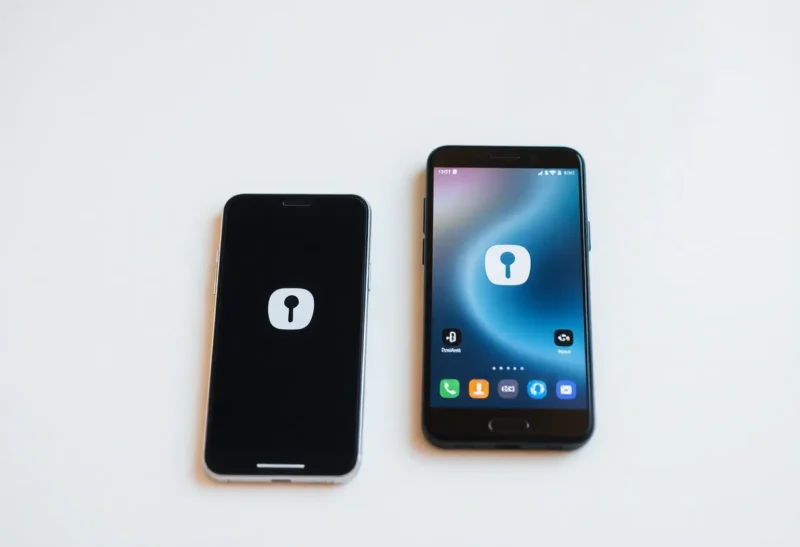
Your smartphone knows where you are. It knows who you talk to, what you search, what you buy. Apps share that data with advertisers, data brokers, and sometimes governments. You can lock it down—delete apps, disable tracking, use a VPN—but the baseline assumption is that your phone is always watching. For some people, that’s not acceptable. A cheap second phone—a “burner”—offers a way to compartmentalise: one device for the messy, tracked world; another for the things you want to keep separate.
Here’s why a burner phone makes sense in 2026—and when it doesn’t.
The case for a burner
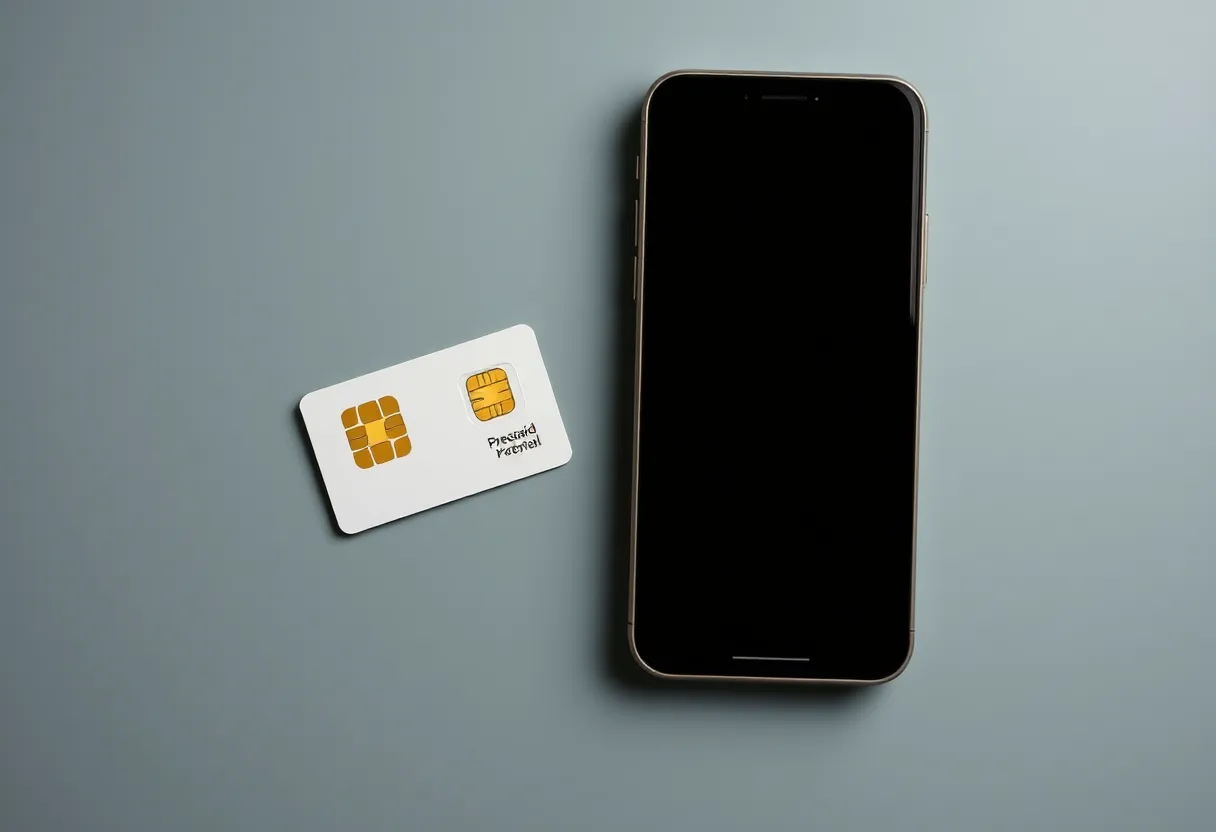
A burner is a low-cost phone—often a basic Android or a refurbished iPhone—with a prepaid SIM, no app store accounts linked to your main identity, and minimal personal data. You use it for specific tasks: anonymous browsing, two-factor codes for sensitive accounts, travel, dating apps, or anything you don’t want tied to your primary device.
Compartmentalisation is the goal. Your main phone accumulates identity over time: your real name, your contacts, your location history, your payment methods. Apps and services correlate that data. A burner starts fresh. If you never log into your main accounts, never add your real contacts, and use it sparingly, it stays relatively isolated from your primary identity.
What counts as a burner? A $50 Android from a big-box store, a refurbished iPhone 8, or a Nokia feature phone—anything that doesn’t link to your main Apple ID or Google account. Pair it with a prepaid SIM from a discount carrier. Don’t install your usual apps. Don’t log in with your main email. Treat it as a separate identity.
For journalists, activists, and people in sensitive professions, burners have long been standard. For everyone else, they’re a hedge against data breaches, ad targeting, and surveillance creep. A cheap Android with a prepaid SIM costs $50 to $100. The peace of mind—or the ability to test apps and services without polluting your main profile—can be worth it.
The limits of burners
Burners aren’t magic. Carrier metadata—who you call, when, and from where—is still logged. Law enforcement can subpoena it. If you use the same burner for long enough and link it to real identities, the compartmentalisation breaks down. A burner only stays “clean” if you treat it that way.
Apps can still fingerprint devices. Hardware IDs, screen size, and installed apps can identify a phone even without a logged-in account. Signal and other privacy-focused apps help, but the ecosystem is designed to track. A burner reduces the surface area; it doesn’t eliminate it.
Managing two phones is friction. Carrying both, charging both, remembering which one to use for what—that’s a cost. For most people, a single phone with strong privacy practices (app permissions, VPN, minimal data sharing) might be enough. A burner is for people who want an extra layer.
When it makes sense
Use a burner when you need a clean slate: travel without your main identity, test apps without linking them to your real profile, or communicate with sources or contacts you don’t want on your primary device. Use it when you’re buying or selling in contexts where you prefer not to share your main number.
Skip it if the friction outweighs the benefit. If you’re not doing anything sensitive and you’re comfortable with the trade-offs of a single phone, a burner adds complexity without much gain.
The bottom line
A cheap burner phone is a tool for compartmentalisation. It won’t make you anonymous, but it can separate some of your digital life from your main identity. In an age of constant tracking, that separation has value for those who want it.