Starlink Mini vs Standard: When the Smaller Dish Drops Trees and Roofs

Dana Robles
September 18, 2026
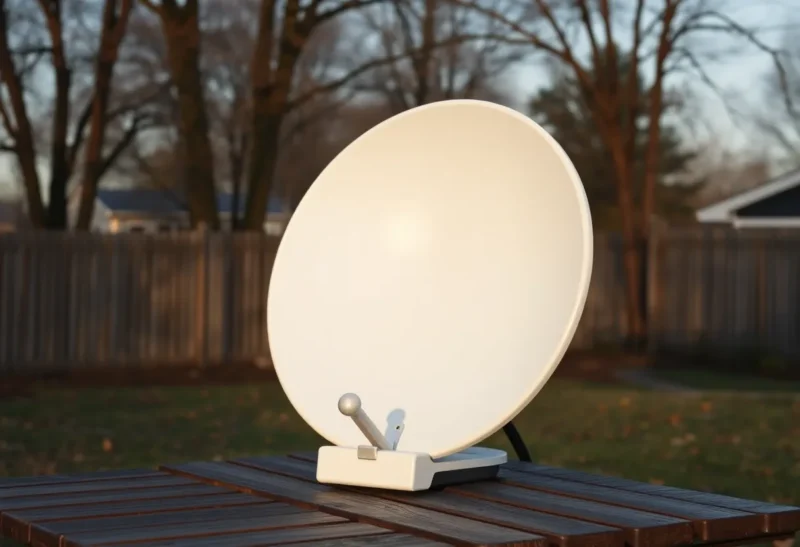
The Mini is the kit people buy with their eyes. It is the one that fits a tote, the one that looks like it belongs on a picnic table, the one a review calls “finally portable.” Then they put it where a Standard would have sat — a porch, a low roof, a gap between two maples — and they learn the product is not a smaller Standard. It is a smaller view of the sky. Trees and eaves that were a yellow wedge on the app become a red afternoon. The dish did not get worse. The sky got pickier.
I have told rural households to start with Standard on a pole more often than I have told them to start with Mini at home. I still pack a Mini for a week in a field. Those are not the same job. Marketing pretends they are a generation. They are a field of view.
What “smaller” actually removes
A Standard kit, on a decent mount, can live with a messy horizon if the dome above is mostly open. The motors hunt. The array is large enough that a wet leaf on the edge is not the whole story. Mini has less aperture and a tighter attitude about obstructions. SpaceX will keep changing firmware. Physics does not care. A compact phased array that you set on a table sees less sky than a bigger one on a mast. If your install is “between the house and the barn,” Mini is how you discover the barn.
The app will say obstruction. People argue with the app. I walk them to the table. I ask them to look up. If they see a roof edge, a power line, and a maple, I do not need a heatmap. Mini will drop that tree. Standard on a two-meter pole might clear it. The pole is the product. The tote bag is not.
I have also seen Mini win a driveway test at noon and lose dinner. The satellites move. A gap that is open for a pass is a wall for the next. Standard on height averages better. Mini on a railing averages the railing.
Roofs are not a sky
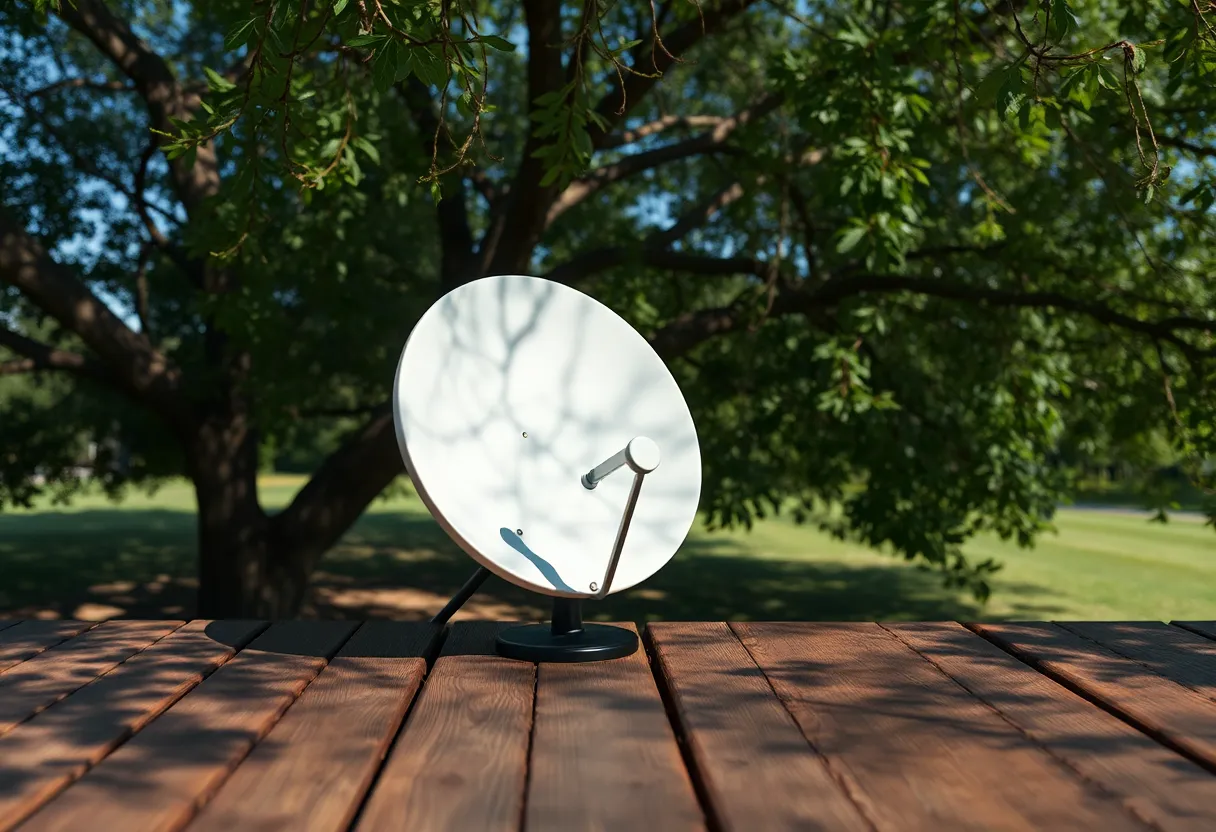
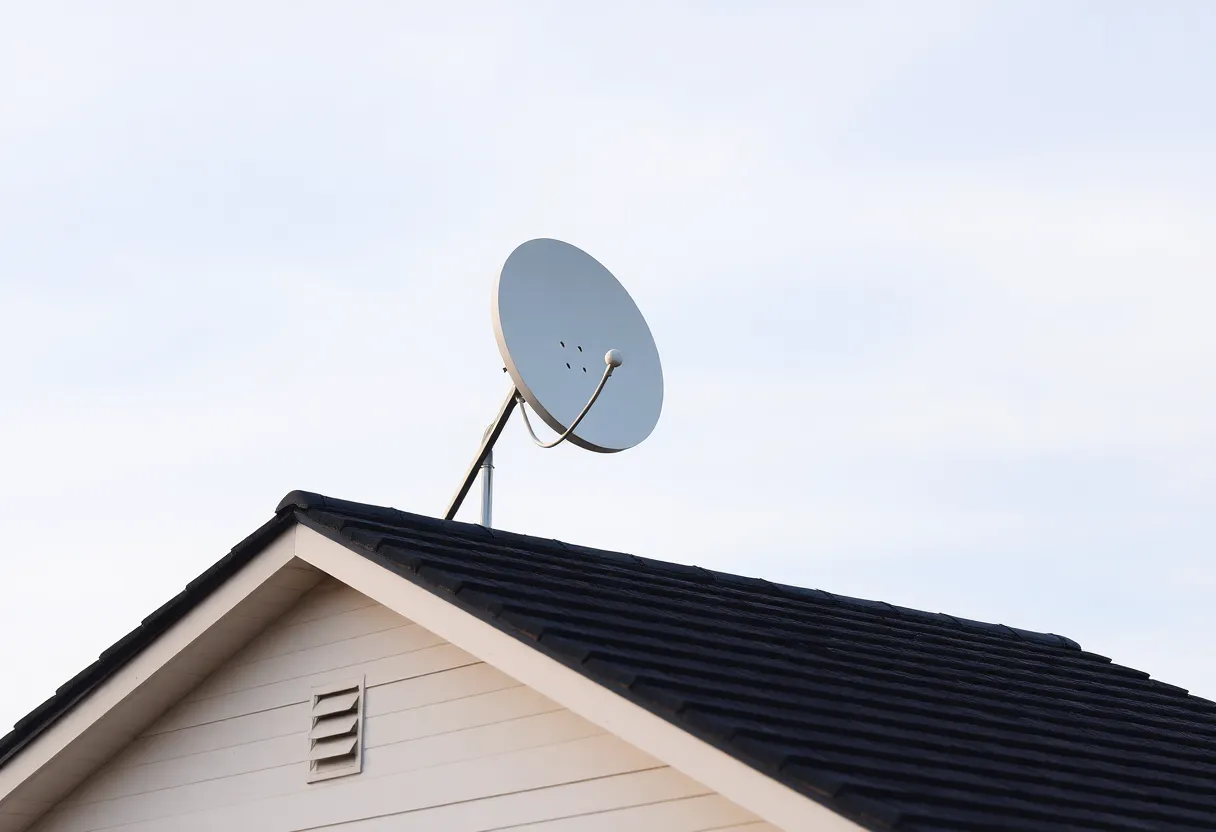
People put Mini on a flat roof because it is light and they do not want to drill. A parapet is a cliff. A vent pipe is a tree. HVAC is a ridge. Standard has the same enemies, but installers already treat Standard like a permanent radio. Mini invites casual placement. Casual placement is how you buy a second kit later and call it “upgrading.”
If the only clear view is a peak, I want a mount, not a handle. Mini can go on a peak. I have done it with a proper fixture, not with a rubber foot on shingles that will walk in wind. Wind plus a light dish is how you find the Mini in the gutter. Standard is ugly and stays.
Renters put Mini in a window and then write that Starlink is a scam. A window is a wall with glass. I say that once. I do not say it kindly the third time.
Travel is the Mini’s honest job
A week at a campsite, a job site, a relative’s place with no cable, a storm where you need a link in the yard — Mini is the kit I would rather carry. Power draw is friendlier for an inverter. The case is not a furniture problem. You accept a fussier sky because you can walk five meters and try again. Mobility is the obstruction mitigation. At home you cannot walk the house.
Roaming plans and Mini marketing travel together. That is fine. What is not fine is using a travel plan and a travel dish as the only household internet under trees you will not cut. I have watched that household spend a year in the app. The app is not an arborist.
If you already own Standard at the service address and you want a second kit for the truck, Mini is the second kit. If you own nothing and you live under oaks, Mini is how you learn about oaks. Buy the sky first. Buy the tote second.
Throughput, rain, and the screenshot habit
On a clear open pad, Mini can be fast enough that a speed test starts a family argument. I do not shop Starlink on that number. I shop the worst hour. Mini in a half-dome will show pretty Mbps between dropouts. Standard in a real dome will look less magical and fail less. After rain, both fade. Mini plus trees plus rain is a special kind of meeting death. I have already told people a leftover GEO line can hold Zoom when LEO is hunting. Mini is the hunter that hunts more. That rain comparison is a different argument than this one, but the Mini makes it louder.
Uplink is the adult metric. Video calls, photo backup, a VPN to a homelab — those die when the dish is negotiating the maple. Download-only streaming can limp. People who “just need Netflix” still need a DNS that stays up and a TCP that does not reset every pass. Mini under cover is a reset machine.
The installer you skip and then pay twice
Standard often arrives with a professional or a handy neighbor who treats it like a TV antenna. Mini arrives with you, a YouTube short, and optimism. I am not against DIY. I am against DIY that stops at the picnic table because the kit looks finished. A $20 trip to a mast and a clear corner is cheaper than a year of “obstruction 8%.” Percentages in the app are how people bargain with wood. Wood does not bargain.
If you hire an installer for Mini at a house, ask them where they would put a Standard. If the answers differ, you bought the wrong silhouette. If they are the same high mount, Mini can live there. You just paid extra for a handle you will not use.
Power, heat, and the picnic-table myth
Mini on a dark table in July cooks. Standard on a roof in July also cooks, but it was designed to live there. I have seen Mini throttle and people blame the cell. Sometimes it is the cell. Sometimes it is a black tote in a sun bowl. Give it air. Do not bury it in a plastic bin “for weather” unless you like a slow radio.
Power bricks and cable length matter more than the brochure. A Mini at the only clear corner of the yard with a cable that will not reach the office is a pretty brick. Standard installs usually include the ugly cable run as part of the price in your head. Mini installs forget the run because the dish looks indoor-adjacent. It is not indoor.
When I pick Mini anyway for a house
A short-term rental, a construction trailer, a cabin you visit, a yard that is actually a field. A household that will move in six months and refuses a mast. A second path next to fiber, used only when the cut happens, stored in a closet — Mini comes out, finds sky, goes back. That last one is a failover toy. It works if someone will walk it outside. It does not work if the Mini lives on a bookshelf “just in case.”
I also pick Mini when the alternative is no Starlink at all because a partner will not accept a pizza-sized dish on the peak. A worse view that exists can beat a Standard that never gets mounted. I say that rarely. I say it when the marriage is the constraint. Hardware has social limits. Those are real.
When I refuse Mini as the home kit
Service address under deciduous trees. A two-story roof with one skinny slot of sky. Anyone who works on camera for money. Anyone who will not climb a pole but will argue with firmware. Anyone who already failed a Mini loaner and wants “the new firmware” to fix the maple. Firmware will not cut wood.
If they insist, I tell them to rent or borrow before they buy. An afternoon in their actual yard, at dinner, in a drizzle, is cheaper than a return. Starlink’s return window is not a personality test. Use it like one.
Standard is not romance
Standard still dies to a full timber lot. Standard still hates a canyon. Standard still needs a mount you will maintain. I am not selling a bigger logo. I am selling height and sky. If you can put Mini on the same mast with a proper adapter and the same clear dome, the size difference shrinks. Most people will not do that. They will put Mini where it is convenient. Convenience is the tree.
Used Standard kits show up. A used Mini shows up more often because someone already learned this essay the expensive way. Read the obstruction screenshot they left in the listing. It is a confession.
The decision
Buy Mini to move the dish. Buy Standard to leave the dish. If your sky is a slot between trees and a roof, the smaller kit is how you drop both. Raise the antenna or cut the wood. Do not ask a tote-bag radio to pretend it is a mast. I still take Mini on the road. I still put Standard on the house. The generation is not the silicon. It is whether you can see the sky.