Neural Implants: How Far Are We From Consumer Brain Tech?

Zara Nader
February 26, 2026
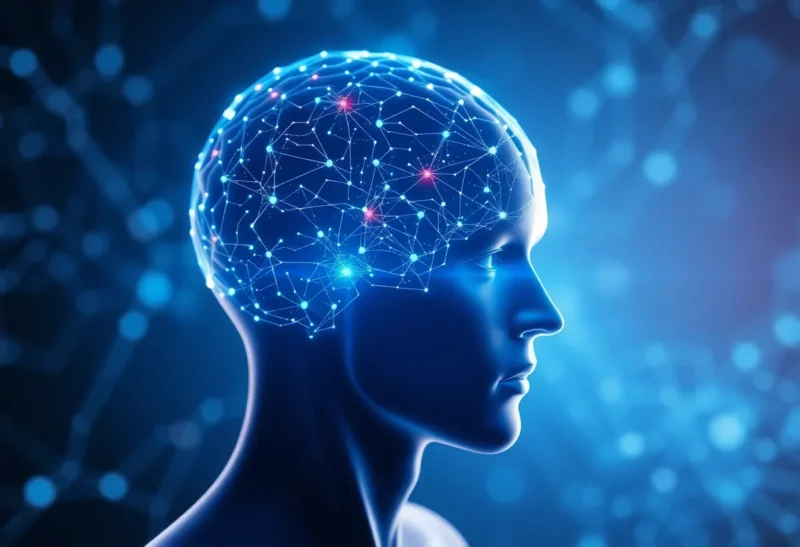
Neural implants and brain-computer interfaces have moved from science fiction to clinical reality—for a narrow set of conditions. People with paralysis can control cursors or type with their thoughts; some with epilepsy or Parkinson’s get relief from implanted devices. But “consumer” brain tech—implants for healthy people who want to enhance cognition, memory, or connectivity—is still a long way off. The gap between what’s in the lab and what you could buy is worth understanding.
What Exists Today: Clinical and Research
Today’s neural implants are mostly medical. Deep brain stimulation (DBS) is used for Parkinson’s and some psychiatric conditions. Cochlear implants restore hearing. Retinal implants can restore limited vision. And a handful of research systems—like Neuralink’s N1 or academic setups—let paralyzed patients control computers or communicate via decoded neural activity. These devices are invasive: they require surgery, electrodes in or on the brain, and ongoing clinical oversight. They’re not consumer products; they’re regulated medical devices for people with serious unmet needs.
The technology is real and advancing. Electrode density is improving; wireless data transfer is replacing cables; decoding algorithms get better. But the step from “works in a few dozen patients in a trial” to “safe, reliable, and desirable for healthy consumers” is enormous. Safety, longevity, and reversibility are still open questions. So is the regulatory path: getting a device approved for enhancement in healthy users is a different bar than for treating disease.
The Consumer Dream vs. Current Limits
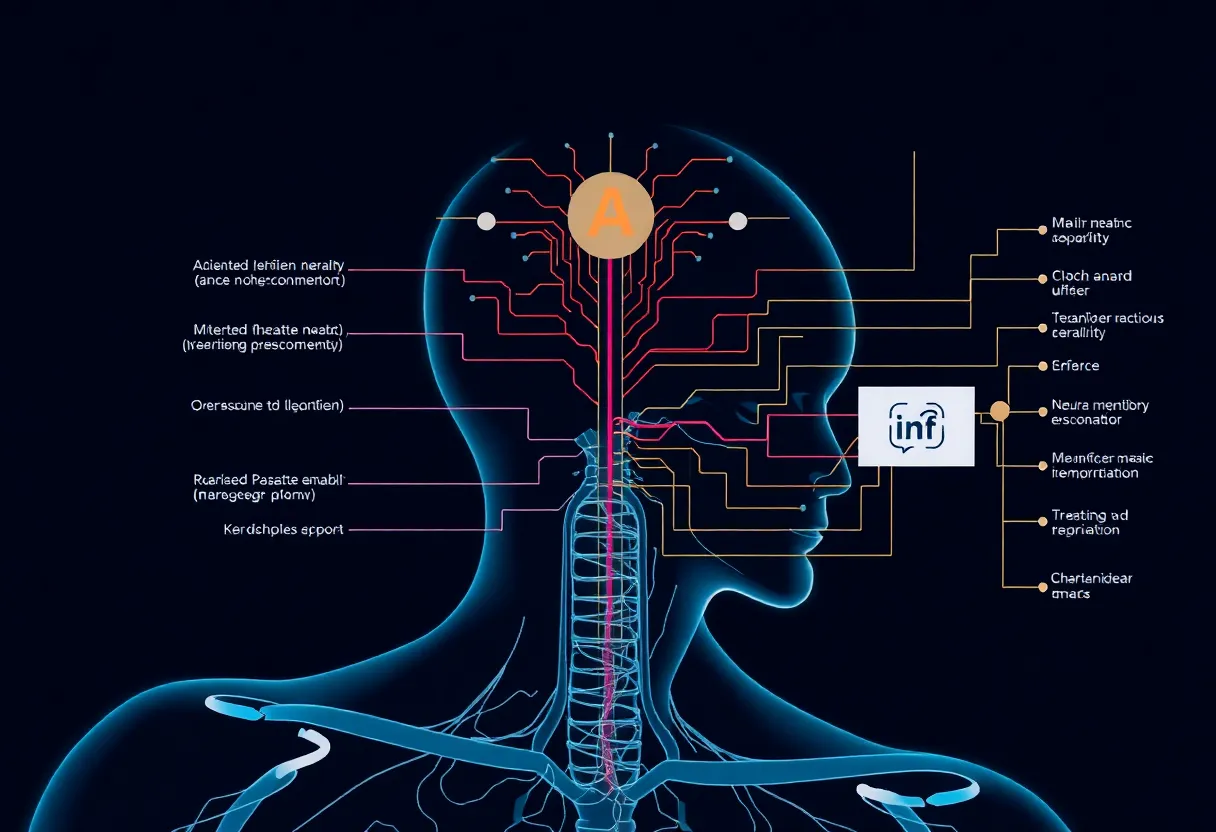
The consumer vision is seductive: plug into your brain to think faster, remember more, or communicate without typing. The reality is that we’re still at the stage of decoding simple intentions—move a cursor, choose a letter—in carefully controlled settings. We’re not at the stage of reading “thoughts” in the rich sense, or writing complex information into the brain. Memory enhancement, cognitive boost, or seamless brain-to-cloud connection would require not just better hardware but a much deeper understanding of how neural circuits encode and store information. We don’t have that map yet.
Non-invasive alternatives—EEG headbands, fMRI-based interfaces—exist but are limited. They’re noisy, slow, or impractical for daily use. They can do coarse control or mood/attention detection in lab conditions, but they’re not the “brain chip” people imagine. So for now, the only way to get high-bandwidth neural data is to go inside the skull. And that means surgery, risk, and a device that has to last years in a hostile biological environment.
What Would Need to Change for Consumer Neural Tech
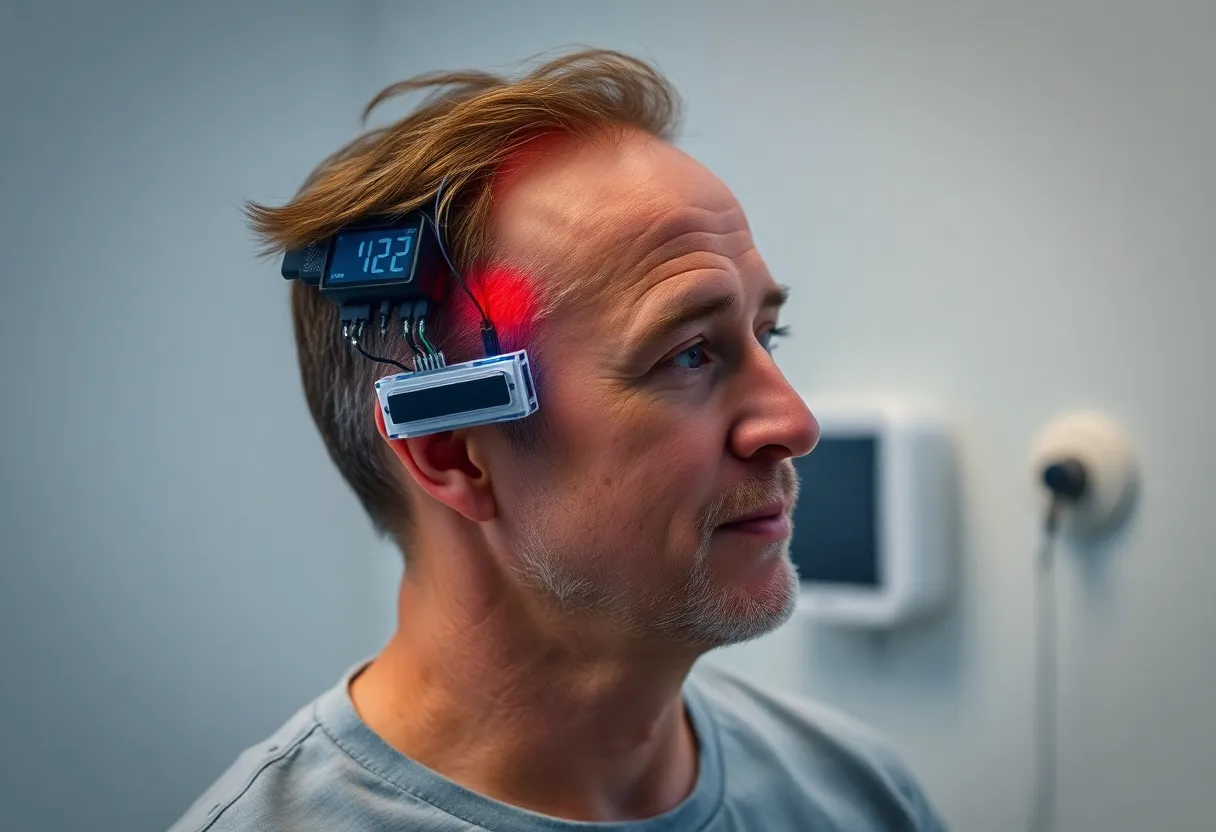
For neural implants to become a consumer product, several things would need to happen. Safety would need to be proven over long periods—years—with minimal risk of infection, rejection, or degradation. The benefit would need to be compelling enough that healthy people would accept surgery and the unknowns. Regulation would need to allow enhancement indications, not just therapeutic ones. And the functionality would need to be clearly useful: not just “we can decode a few bits,” but something that meaningfully improves life. We’re not there yet.
Ethics and Who Gets Access First
Even if the technology matures, consumer neural implants raise hard questions. Who gets them first—the wealthy? The early adopters who accept unknown long-term risks? How do we handle privacy when the device can in principle read neural activity? What happens to inequality when some people can augment cognition and others can’t? These aren’t technical questions; they’re societal ones. The clinical path is leading with therapeutic use—restoring function for people who’ve lost it. That frames the technology as medical first. Consumer enhancement would require a separate conversation about safety, equity, and consent. For now, that conversation is ahead of the product. But it’s part of “how far we are”: we’re not just limited by engineering; we’re limited by whether we’re ready to answer those questions.
That doesn’t mean we’ll never get there. Research is moving. Companies are investing. But the timeline is measured in decades, not years. The hype cycle suggests consumer brain tech is “just around the corner.” The technical and regulatory reality says otherwise. If you’re curious, watch the clinical space: as implants get smaller, safer, and more capable for patients, the path to consumer applications will become clearer. For now, consumer brain tech is still in the “how far are we?” phase—and the honest answer is: far enough to be exciting, not far enough to buy.