Materials Science Breakthroughs That Could Change Your Gadgets

Grant Webb
February 26, 2026
Your phone, laptop, and wearables are all limited by the materials inside them. Battery capacity, screen durability, device weight, and even repairability come down to chemistry and structure. Quiet progress in materials science is setting up the next wave of gadget improvements—here’s what’s moving from the lab toward your pocket.
Better Batteries Without the Hype
Solid-state batteries get a lot of headlines, but the path to mass market is still long. What’s closer today are incremental wins: better anodes and cathodes, improved electrolytes, and manufacturing tweaks that squeeze more energy and cycle life from existing form factors. Silicon-dominant anodes are already appearing in some EVs and could trickle into consumer electronics, offering higher capacity in the same size. Solid-state may eventually deliver the big jump—safety, energy density, and faster charging—but for the next few years, the gadgets you buy will benefit more from these evolutionary steps than from a single “breakthrough” product.
On the sustainability side, research into sodium-ion and other chemistries that reduce reliance on lithium and cobalt is advancing. They’re not ready to replace lithium-ion in high-performance devices yet, but for power tools, backup storage, or lower-tier devices, they could start to show up and ease supply and environmental pressure.
Displays That Bend and Last
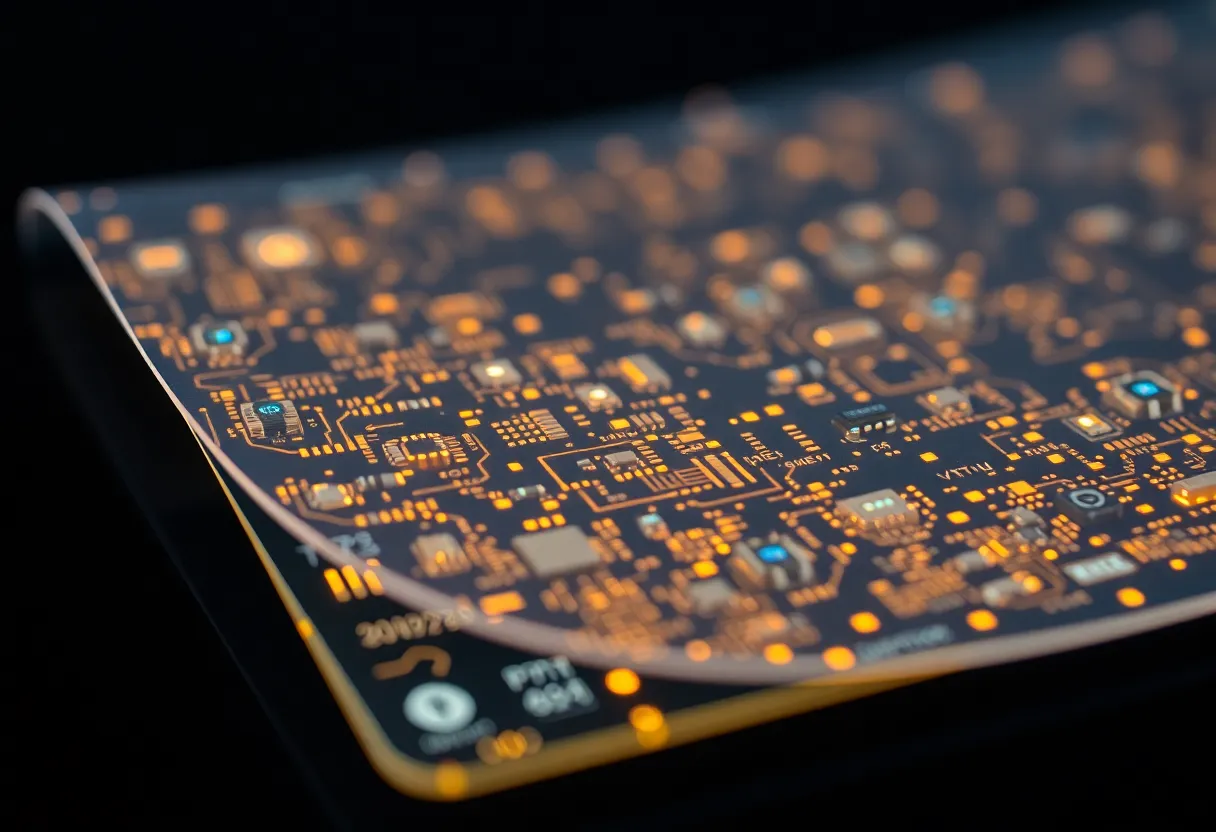
OLED and its variants are mature, but materials work on flexible and foldable displays continues. The goal isn’t just “bendy phone”—it’s thinner, lighter, and more durable screens that can survive more flex cycles and resist scratches and moisture. Better barrier layers and encapsulation mean foldables are creeping toward the reliability people expect from a daily driver. MicroLED remains the long-term hope for efficiency and brightness without burn-in, but it’s still expensive and hard to manufacture at small sizes. In the meantime, improved OLED formulations and manufacturing are giving you brighter, more efficient panels in the same devices you buy today.
Thermals and Form Factor
As chips get more powerful, getting heat out becomes the bottleneck. New thermal interface materials, vapor chambers, and even diamond-like or high-conductivity coatings are finding their way into flagship phones and laptops. The result: devices that can sustain higher performance for longer without throttling or getting uncomfortably hot. That’s a materials story—better heat spreaders and interfaces—that directly affects how fast your device feels and how thin it can be.

Recyclability and Repairability
Materials choices also shape how long gadgets last and what happens when they’re discarded. Design for disassembly, adhesive alternatives that allow battery replacement, and modular components all depend on selecting materials and processes that support repair and recycling. There’s no single “miracle material” here—it’s about using more standard, separable, and recoverable materials so that devices don’t have to be shredded or landfilled. Regulatory and consumer pressure is pushing the industry in this direction; the science of recyclable polymers, easier-to-separate assemblies, and labeling for sorting will matter more in the next decade.
What to Watch For
When you read about materials “breakthroughs,” separate lab results from production reality. The stuff that will actually change your gadgets in the next few years is usually the less sexy work: better manufacturing, incremental chemistry, and design that makes devices last and get recycled. Solid-state batteries, microLED, and exotic thermal materials will matter when they hit volume and price—until then, the real gains are in the materials and processes that are already moving from pilot lines into products.
The Bottom Line
Materials science is setting up the next generation of gadgets through better batteries, tougher and more flexible displays, improved thermal management, and design for repair and recycling. Most of the impact will come from steady improvement, not one-off headlines. Pay attention to what’s actually shipping—that’s where the breakthroughs are turning into devices you can buy.