Indie Hackers on LinkedIn vs Twitter: Where B2B Micro-SaaS Actually Converts Now

Morgan Ellis
April 7, 2026
If you sell a calendar tool for dentists, your buyer is not scrolling for irony. If you sell compliance software to HR teams, they are not hunting for memes. If you sell a narrow B2B micro-SaaS—high price, low volume, long consideration—you need channels that tolerate explanation, proof, and follow-up. For years, indie hackers treated Twitter (now X) like the town square and LinkedIn like the airport lounge you visited when you needed a job. In 2026, the conversion map looks different: both platforms are noisy, both can work, and the decisive variable is rarely “which logo” and almost always “which intent.”
This article compares LinkedIn and Twitter/X for B2B micro-SaaS founders on pragmatic grounds: who shows up with budget language, what content formats survive the algorithms, how DMs and comments behave, and where indie teams waste weeks polishing the wrong funnel.
Intent beats aesthetics
Twitter rewards velocity, opinion, and cultural fluency. That can attract peers, investors, and the occasional customer—but the signal is mixed with discourse, politics, and creator economy drama. A thread that pops might be 90 percent other founders cheering you on. Cheerleading does not always deposit MRR.
LinkedIn rewards professional identity. People literally wear their titles in the frame. That does not mean everyone is ready to buy; it means the default context is work. For B2B micro-SaaS, work-context scrolling is disproportionately valuable because problems sound like problems: “our onboarding is a mess,” “we need better audit logs,” “our ops team lives in spreadsheets.” Those sentences are invitations to a demo in ways that “hot take on AI” usually are not.

Where LinkedIn tends to win for B2B micro-SaaS
Longer half-lives for case-shaped content. A concrete before/after, a teardown of a workflow, a Loom-style narrative in text—LinkedIn’s feed often keeps that alive long enough for the right director to see it between meetings. Twitter’s half-life for the same post can be hours unless you catch a retweet chain.
Searchable professional memory. People revisit LinkedIn when switching roles, evaluating vendors, or writing internal business cases. Your post becomes a breadcrumb that aligns with job function. Twitter search is used differently and often ephemerally.
DMs that feel like business inboxes. Not always pleasant—spam is real—but when a serious buyer pings you, the conversation starter is frequently literal: budget season, security review, integration question. On Twitter, serious buyers exist; they are simply harder to distinguish from reply guys.
Where Twitter/X still earns its place
Speed to narrative. If your product touches developer culture, AI tooling, or founder Twitter, a sharp observation can put you in the right follow graph fast. For some micro-SaaS products, the buyer is on Twitter all day, and LinkedIn feels like a costume.
Partnerships and integrations. API companies, devtools, and adjacent SaaS vendors still orbit Twitter heavily. If your go-to-market includes co-marketing with other builders, Twitter can be the handshake layer.
Personality as distribution. Some founders should not force LinkedIn cadence; their voice is too sharp, too weird, or too technical for the tone that performs there. A mismatch reads as inauthentic and tanks reach.
The “conversion” definition that changes the answer
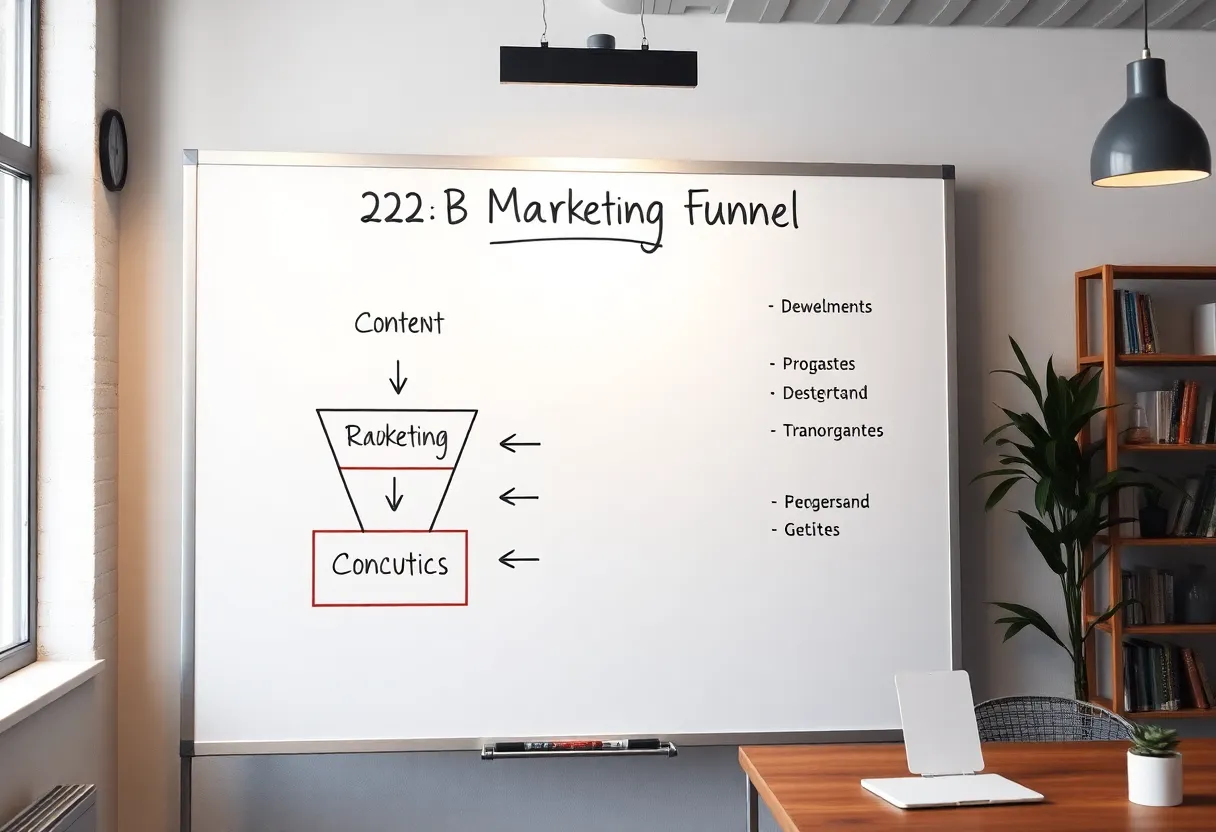
Newsletter signup is not revenue. Follower growth is not pipeline. What matters for B2B micro-SaaS is usually qualified conversations: booked calls, pilot agreements, procurement threads. LinkedIn content that attracts ops managers who nod along is closer to money than Twitter content that attracts applause from other solopreneurs—unless those solopreneurs are your ICP.
If your ICP is agencies, indie hackers, or creators, Twitter may convert better even with smaller absolute numbers. If your ICP is operations leads at 50–500 person companies, LinkedIn is often the higher-yield default. The mistake is choosing platform before persona.
Paid social: when tiny budgets help—and when they burn
Organic reach alone is a slow game. Paid promotion can accelerate tests if you keep experiments small and measurable. LinkedIn ads are expensive; they can still be rational for a high-ACV product when you target titles tightly and send traffic to a crisp landing page with a single CTA. Twitter ads have been volatile depending on inventory and brand safety moods; some indie teams still use them for retargeting site visitors, others found cheaper learning on LinkedIn despite CPM pain.
The universal rule: do not scale spend until organic creative already produces inbound questions. Ads amplify messages; they rarely invent product-market clarity.
Attribution without lying to yourself
“LinkedIn brought the lead” is rarely the whole story. Someone saw a tweet last month, subscribed to your newsletter, forgot your name, then clicked a LinkedIn comment a week later. Use simple self-reported fields on demo forms (“How did you hear about us?”) alongside UTM hygiene. For micro-SaaS, perfect multi-touch models are overkill; directional truth is enough to decide where next week’s writing time goes.
Newsletters, lead magnets, and the bridge off-platform
Both platforms punish you slightly for moving people away—yet email remains the highest-leverage follow-up channel for long B2B cycles. A practical pattern: publish the insight natively, then offer a deeper artifact (checklist, template, mini-audit) via DM or a lightweight form. LinkedIn readers often expect a professional payoff; Twitter readers expect speed. Match the asset to the room.
Community and comments: where deals actually start
Posts are billboards; comments are doorways. On LinkedIn, showing up in niche operator threads—carefully, helpfully—can outperform your own feed for a month. On Twitter, quote-tweeting with a tool-specific angle can place you inside conversations your buyers already watch. The failure mode is spamming links; the win mode is answering a specific question well enough that someone checks your profile.
Formats that actually move B2B readers in 2026
On LinkedIn, specificity wins: numbered lessons from a deployment, a screenshot redacted responsibly, a short story about a failure that taught you what “enterprise-ready” means. Corporate polish is optional; credibility is not. Readers smell generic thought leadership instantly.
On Twitter, the winning pattern is often serial: a thread that names a workflow, a one-liner that reframes a boring problem, a quote tweet that adds a tool angle to an industry debate. The risk is chasing engagement that stops at likes. Mitigation: end threads with a concrete next step—checklist, template, or “reply with X and I’ll send Y” when you can handle the volume.
What not to do on either platform
Do not automate your personality into mush. Do not treat LinkedIn like a press release bot or Twitter like a therapy couch unless that is genuinely your brand. Do not argue with trolls on the account that is supposed to book demos. Do not post customer data. Do not confuse “viral” with “qualified.”
A simple allocation heuristic
If you can only pick one primary channel, choose the one where your buyers already describe pains in their own words. For many B2B micro-SaaS founders, that is LinkedIn. Keep Twitter as optional spice if your voice fits and your buyers show up. If you have time for two, cross-post ideas but reshape them—do not mirror identical text; algorithms and norms differ enough to punish laziness.
What changed after Twitter’s identity crisis
Even if you never cared about the bird logo, buyer behavior shifted. Some professionals retreated to LinkedIn for stability; others doubled down on Twitter for speed; many lurk in both but engage differently. Your analytics might show fewer Twitter clicks but higher-intent DMs, or the opposite. Re-run the ICP test quarterly instead of treating 2022 playbooks as law.
A 30-day test you can actually finish
Pick one concrete offer: a 20-minute workflow review, a security FAQ for your niche, or a pilot checklist. Post four LinkedIn pieces and four Twitter pieces that each land a single pain point, not your whole roadmap. Track three numbers only: DMs that mention a budget window, calls booked, and trials started. If LinkedIn produces twice the qualified conversations with the same time cost, bias your next month there. If Twitter wins, lean in without guilt—your market is allowed to be noisy.
Add one counterintuitive constraint: no engagement bait. No “agree?” threads unless you enjoy them personally. Bait trains the algorithm to bring you spectators; B2B micro-SaaS usually needs practitioners who own a process.
If you are solo, batch content: write four pieces in one sitting, schedule them, spend daily time only on replies and DMs. The constraint keeps you from mistaking typing for selling. Treat comments as sales conversations, not performance art.
Bottom line
LinkedIn vs Twitter is the wrong question if it skips ICP and offer. For B2B micro-SaaS with professional buyers, LinkedIn typically produces more direct commercial intent per hour invested. Twitter can still convert when your market lives there or when partnerships drive revenue. Measure booked conversations, not vanity. The platform is just the room; the message still has to sound like someone who ships.
Finally, remember that distribution compounds when your product story matches the channel’s vocabulary. If your landing page speaks CFO and your tweets speak shitposter, you will confuse the funnel. Align tone without flattening yourself: professional does not mean boring, and playful does not mean unserious—buyers detect congruence faster than they detect polish.