How Wind Turbine Blade Recycling Became Renewable Energy’s Awkward Waste Problem

Erik Svensson
July 9, 2026
Wind power’s climate credentials are genuinely strong once turbines are spinning, but the industry has a specific end-of-life problem that’s gotten increasing attention as the first generation of large-scale wind farms, many installed in the early 2000s, reach the end of their typical 20 to 25-year operational lifespan: what actually happens to turbine blades once they come down. The honest answer, for years, was mostly landfill — and the reason isn’t industry negligence so much as a genuinely hard materials science problem that the renewable energy sector is still actively working through. I’m a mechanical engineer who’s spent years working in clean energy, and blade recycling is a useful case study in how a technology’s environmental benefits and its end-of-life waste challenges can be real and significant at the same time.
Why Blades Are So Hard to Recycle in the First Place
Modern wind turbine blades are built primarily from fiberglass or carbon fiber composite materials bonded together with thermoset resin — a category of plastic that, once cured during manufacturing, undergoes an irreversible chemical cross-linking process that makes it fundamentally different from thermoplastic materials (like the plastics used in most recyclable packaging) that can be melted down and reformed. Thermoset composites can’t simply be melted and remolded into new products the way thermoplastics can, because the cross-linked molecular structure that gives the material its strength and durability during decades of operational use is exactly what makes it resistant to being broken back down into reusable raw material after that service life ends.
This is compounded by blade size and construction complexity — modern utility-scale turbine blades commonly exceed 50 meters in length, are extremely difficult to transport intact given their size, and contain multiple bonded material layers (fiberglass or carbon fiber composite skin, balsa wood or foam core material, adhesives, and sometimes lightning protection systems and other embedded components) that all need to be accounted for in any genuine recycling or material recovery process, rather than a single, relatively uniform material that would be far simpler to process at scale.
Why Landfilling Became the Default
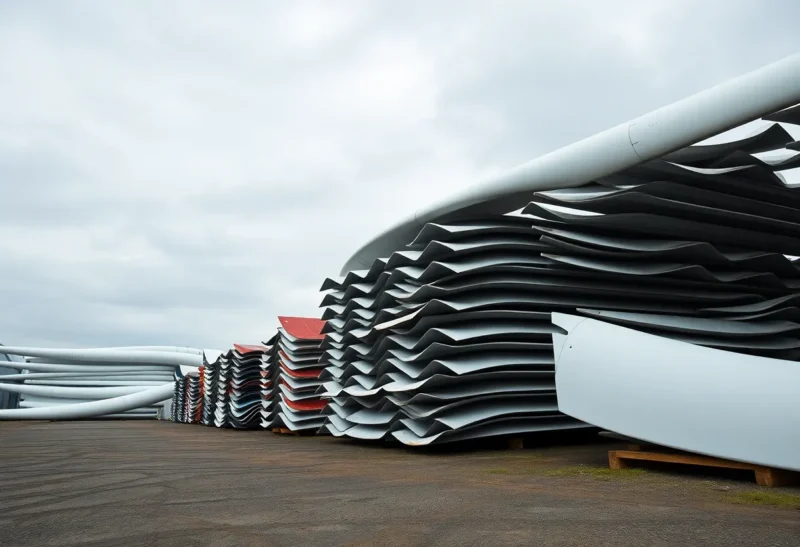
Given these genuine material science challenges, and given that landfilling was, for years, the cheapest and most immediately available disposal option, a significant share of decommissioned blades in the US and elsewhere did end up in landfills, particularly at facilities like the widely-covered Casper, Wyoming landfill that became something of a symbol for this issue in mainstream press coverage, showing rows of massive blade segments buried in a way that struck a lot of people as a strange and uncomfortable contrast to wind power’s clean energy image.
It’s worth being precise about the actual scale here, though, because landfilled blade material has sometimes been mischaracterized in popular coverage as a larger environmental problem than the broader picture supports: blade waste, even accounting for the wave of early-generation turbines now reaching end of life, remains a small fraction of total industrial waste volume compared to other materials, and turbines themselves generate zero direct emissions or waste during their actual multi-decade operational period, which is the phase that delivers the vast majority of wind power’s genuine climate benefit. The issue isn’t that blade waste makes wind power a net environmental negative — it clearly isn’t, given the scale of avoided emissions during operation — but that a genuinely un-recycled, landfilled disposal pathway for a supposedly clean energy technology’s own equipment is a real, legitimate weak point worth solving rather than a problem that should be dismissed or ignored simply because operational emissions are so favorable.
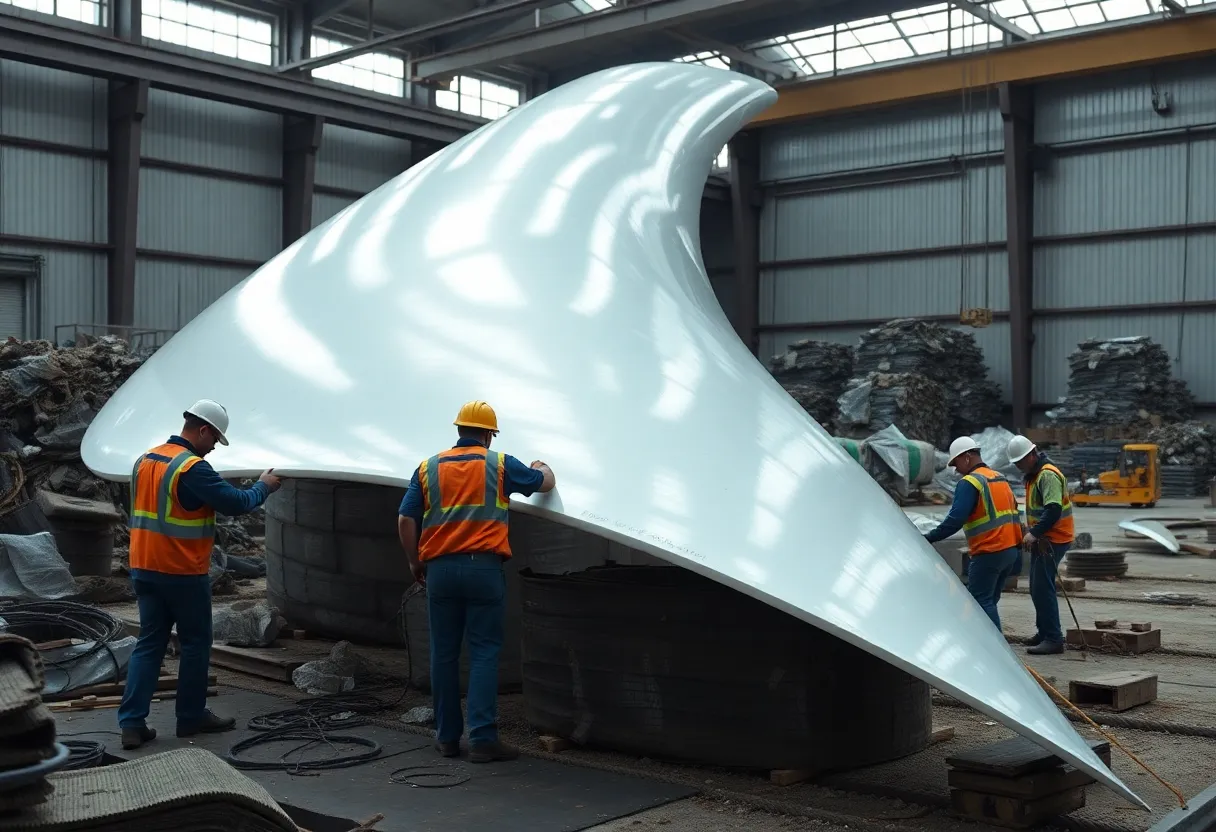
What Mechanical Recycling Approaches Have Actually Achieved
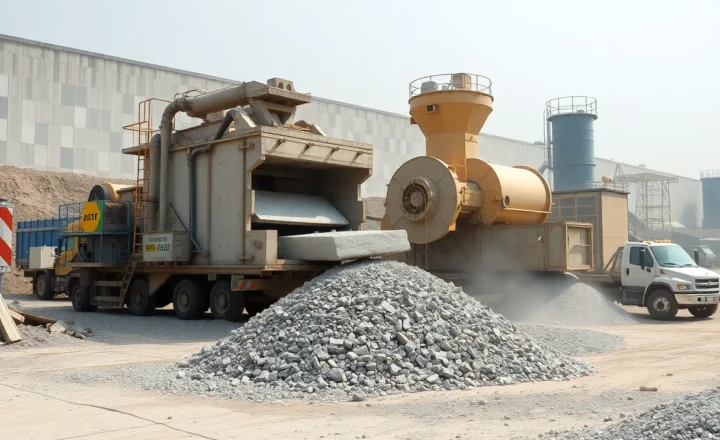
Mechanical recycling — shredding or grinding decommissioned blade material into smaller fragments that can be used as filler material in other products, most commonly in cement production as a partial substitute for raw materials, or in various composite building products — has become the most commercially mature blade recycling pathway currently in operation at meaningful scale. Companies like Veolia have developed and deployed processes specifically to shred blade material and co-process it as an alternative fuel and raw material component in cement kilns, a genuinely functional recycling pathway that diverts material from landfill, though one that generally recovers the material’s basic mineral and fiber content rather than preserving higher-value composite properties that could be reused in more demanding applications.
This “downcycling” characterization is important context: mechanical recycling into cement filler is a real, meaningfully better outcome than landfilling, but it’s not equivalent to recovering the original fiberglass or carbon fiber in a form valuable enough to manufacture new high-performance composite products, which remains a considerably harder technical and economic challenge that the industry hasn’t yet solved at comparable commercial scale.
Why Chemical Recycling Is the More Promising But Harder Path
Chemical recycling approaches — using solvents, pyrolysis (heating material in the absence of oxygen to break down chemical bonds), or other processes specifically designed to break the thermoset resin’s cross-linked structure back down and separate out the underlying fiberglass or carbon fiber in a genuinely reusable form — represent the more technically ambitious and higher-value recycling pathway that several research programs and startups have been actively developing. If successful at commercial scale, chemical recycling could recover fiber material of sufficient quality to actually manufacture new composite products, a genuinely closed-loop outcome that mechanical downcycling into cement filler doesn’t achieve.
The challenge is that these chemical recycling processes remain considerably more expensive and less proven at industrial scale than mechanical recycling, and the economics of processing decommissioned blade material this way haven’t yet reached a point where they clearly beat landfilling or mechanical recycling on pure cost grounds without additional regulatory or policy support — several European countries, including Germany, have moved to ban or restrict landfilling of blade material specifically to help push economic incentive toward these more advanced recycling pathways, an example of policy intervention being used to accelerate a technology transition that pure market economics hasn’t yet delivered on its own.
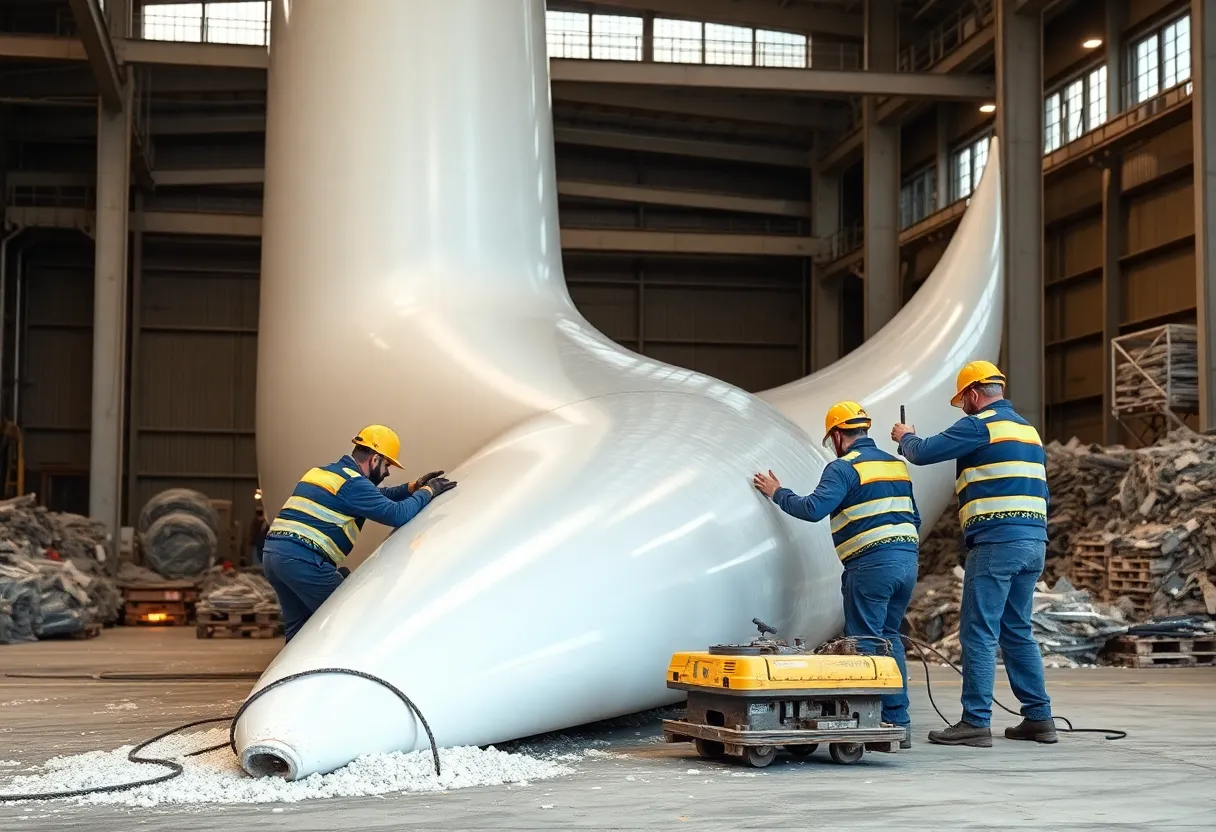
The More Promising Long-Term Fix: Redesigning the Blade Itself
The most durable solution to this problem is arguably upstream rather than downstream — several major turbine manufacturers, including Vestas and Siemens Gamesa, have developed and begun deploying blades built using recyclable thermoplastic resin systems or newer resin chemistries specifically engineered to be more easily broken back down at end of life, rather than the traditional thermoset resins that make current-generation blades so difficult to recycle in the first place. Vestas has specifically announced commercial recyclable blade designs intended to eventually phase out the harder-to-recycle thermoset resin approach across its future product lines, a genuinely significant shift if it scales successfully across the wider industry.
This redesign approach reflects a broader, more useful way to think about the blade waste problem: rather than treating it purely as an end-of-life disposal challenge to solve after the fact, the more effective long-term fix is designing the next generation of turbines to avoid creating the same difficult-to-recycle waste stream in the first place, an approach that, if it scales industry-wide over the coming turbine generation cycle, would meaningfully reduce how significant this problem remains by the time the current generation of turbines reaches end of life in another two decades.
Where This Actually Stands
The realistic picture is that blade recycling has moved from a near-total landfill default a decade ago to a genuinely improving mix of mechanical downcycling, emerging chemical recycling technology, and upstream design changes that should reduce the scale of the problem for future turbine generations — real, measurable progress, but not yet a fully solved problem, and one that will likely continue evolving unevenly across different countries and manufacturers depending on how quickly recyclable blade designs and chemical recycling economics actually mature at commercial scale over the next decade.