How GPS Actually Works—And Why It Sometimes Doesn’t

David Shaw
February 26, 2026
You use it every day: turn-by-turn directions, location tags, delivery tracking. But how does GPS actually work—and why does it sometimes send you to the wrong place or lose signal at the worst time? The basics are simpler than you might think; the failures are usually predictable.
Satellites, Clocks, and Triangulation
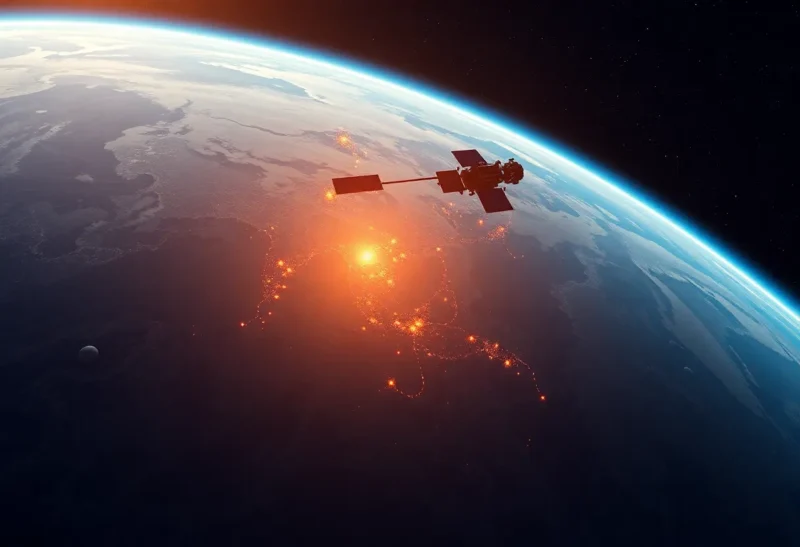
GPS relies on a constellation of satellites in medium Earth orbit. Each satellite broadcasts a precise time signal and its position. Your phone or receiver picks up signals from several satellites—ideally four or more—and measures how long each signal took to arrive. Because the signals travel at the speed of light, that time delay tells you the distance to each satellite. With distances to multiple known points, you can compute your position in three dimensions. It’s triangulation (really multilateration) in space. The key ingredient is ultra-precise atomic clocks on the satellites: tiny timing errors would turn into huge position errors, so the system is built around keeping time to within nanoseconds.
Why You Need a Clear View of the Sky
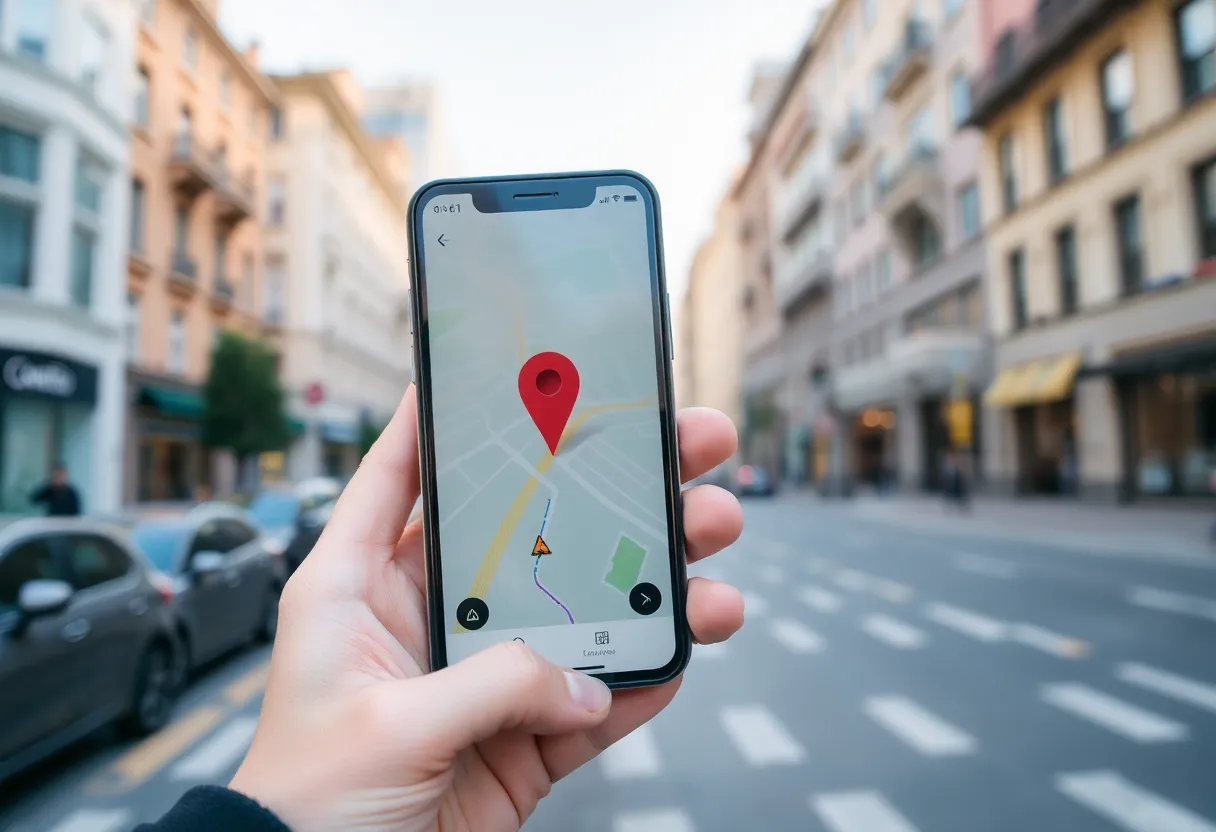
GPS signals are weak. They’re coming from orbit, and by the time they reach the ground they’re easily blocked or reflected. Buildings, trees, tunnels, and even your own body can block or bounce the signal. Your receiver needs a clear line of sight to at least four satellites to get a good fix. Indoors or in urban canyons, the signal is often too weak or too reflected (multipath) to get an accurate position. That’s why your phone sometimes shows you on the wrong side of the street or jumps around—it’s working with a bad or partial set of signals.
Assisted GPS and Other Tricks
Phones don’t rely on raw GPS alone. They use Assisted GPS (A-GPS): the network sends them rough satellite orbit data so the receiver can lock on faster. They also use Wi-Fi and cell towers to get an approximate position when satellites are unavailable, and they fuse sensor data (accelerometer, gyro) to smooth and predict movement. That’s why you often get a location before the GPS has fully locked—the phone is guessing from cell and Wi-Fi. When you go somewhere with no cell and no Wi-Fi, the first fix can take much longer because the receiver has to download orbit data from the satellites themselves, which is slow.
When and Why GPS Fails
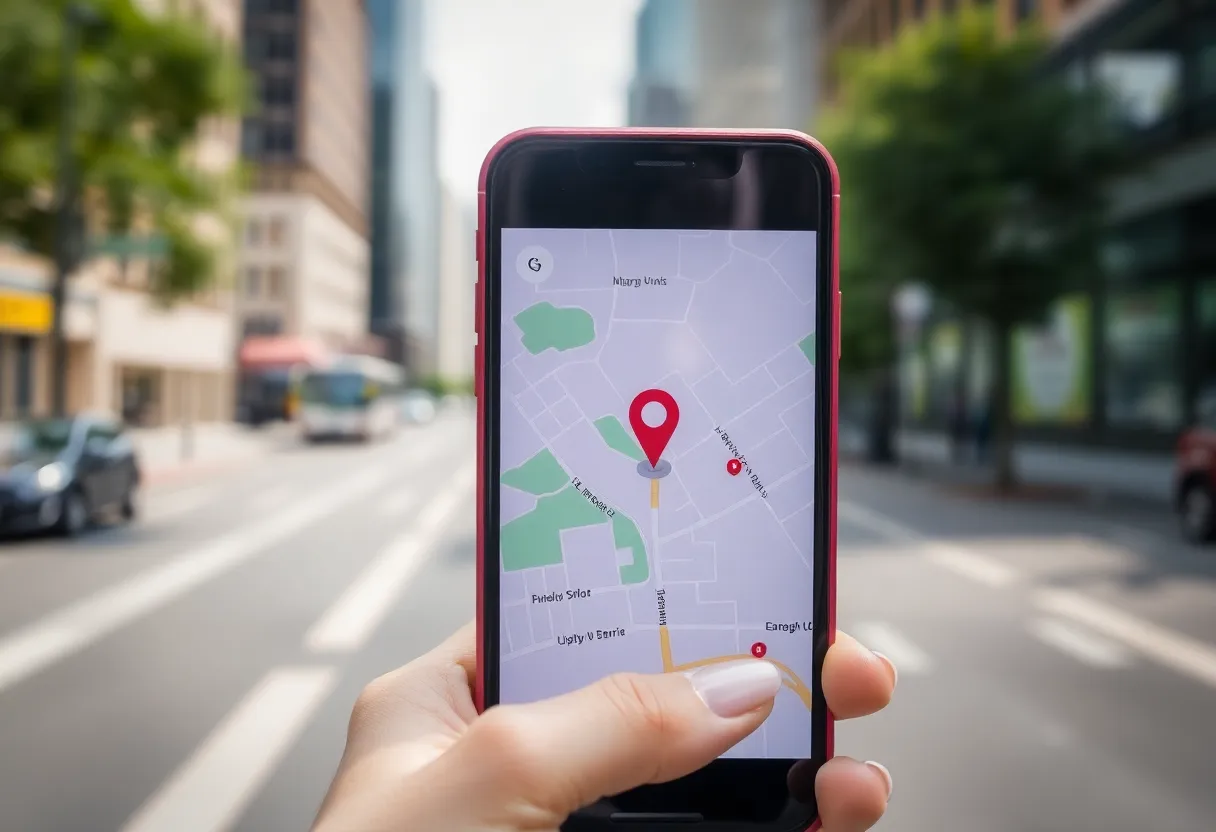
Common failure modes: no clear view of the sky (indoors, under trees, in a canyon), multipath (reflected signals in cities that confuse the receiver), and jamming or spoofing (intentional interference—rare for most users but real in conflict zones or for critical infrastructure). Solar activity can occasionally affect the upper atmosphere and degrade signals. And consumer receivers are optimized for cost and battery, not maximum accuracy; they’re good to a few meters in good conditions, not centimeters. For high-precision work, surveyors and farmers use differential GPS or RTK, which correct for errors using a ground reference. Your phone doesn’t do that. So when GPS “doesn’t work,” it’s usually one of: not enough satellites in view, bad geometry (satellites clustered in one part of the sky), or weak or reflected signals. Knowing that helps—you can move to a clearer spot, wait a bit, or accept that in some places the answer is “no fix here.”
The Bottom Line
GPS is a time-and-distance game: satellites broadcast time and position, your receiver measures how long the signals took, and math gives you your location. It works best with a clear view of the sky and multiple satellites. When it fails, it’s usually because something is blocking or bouncing the signal—or because you’re in a place where the system was never designed to work perfectly. Understanding that doesn’t fix your dropped pin, but it does explain why it happens.