How Container Security Differs From VM Security in Practice

Avery Kapoor
July 7, 2026
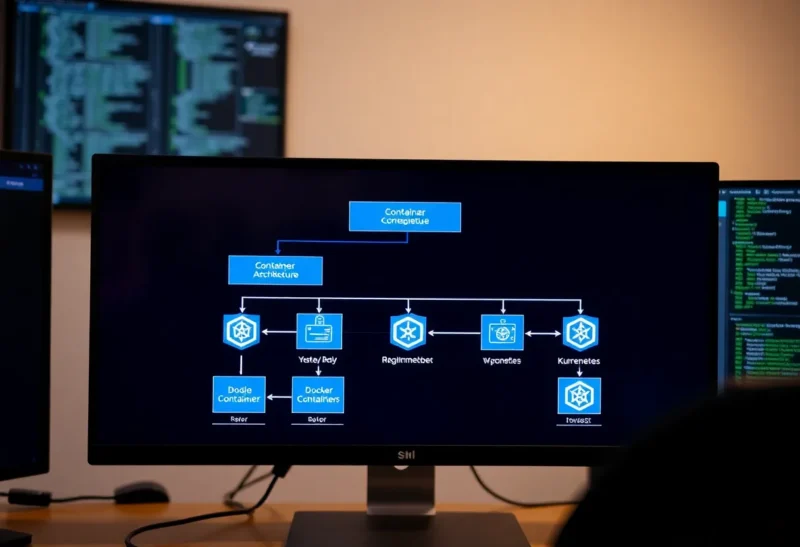
The shift from VM-based infrastructure to container-based infrastructure has been one of the most significant changes in how software gets deployed over the last decade. Most organizations running production workloads today have at least some containerized services, and many have fully containerized application stacks running on Kubernetes or similar orchestration. The security model for containers is fundamentally different from the security model for virtual machines, and teams coming from VM-centric security thinking often have blind spots that become exploitable in container environments.
Understanding how the isolation models differ, where containers are more or less secure than VMs, and what practices are specific to container security is essential for anyone operating container infrastructure in production.
The Isolation Model Difference
Virtual machines use hardware virtualization to create isolated environments. Each VM has its own kernel, its own network stack, its own virtualized hardware interface, and is isolated from other VMs by the hypervisor. A compromise of a VM’s guest OS doesn’t automatically compromise other VMs or the hypervisor — the hypervisor’s attack surface is small and well-defined, and breaking out of a VM requires a hypervisor escape vulnerability, which is rare and treated as a critical severity issue when found.
Containers share the host operating system kernel. A Linux container on a Kubernetes node is a process (or group of processes) on the host system, isolated from other containers using Linux namespaces (which control what the process can see — process IDs, network interfaces, filesystems) and cgroups (which control resource limits). There is no separate kernel; there is no hardware virtualization layer. The isolation is real but is implemented entirely in software within the Linux kernel.
This architectural difference has direct security consequences. Container isolation is only as strong as the Linux kernel’s namespace and cgroup implementation, and kernel vulnerabilities that allow container escape are a recurring security concern — not as rare as hypervisor escapes in VM environments. A malicious or compromised container process that can exploit a kernel privilege escalation vulnerability may be able to escape its namespace isolation and interact with the host system or other containers on the same node. Real-world container escape vulnerabilities (CVE-2022-0492, runc vulnerabilities, and others) have demonstrated that this is not theoretical.
The Container Image Attack Surface
VMs are typically built from a known base image (a specific OS version) and maintained over time with security patches applied to the running system. The security of the VM depends on the OS’s patch level at any given moment, and unpatched vulnerabilities in the running OS are the primary concern.
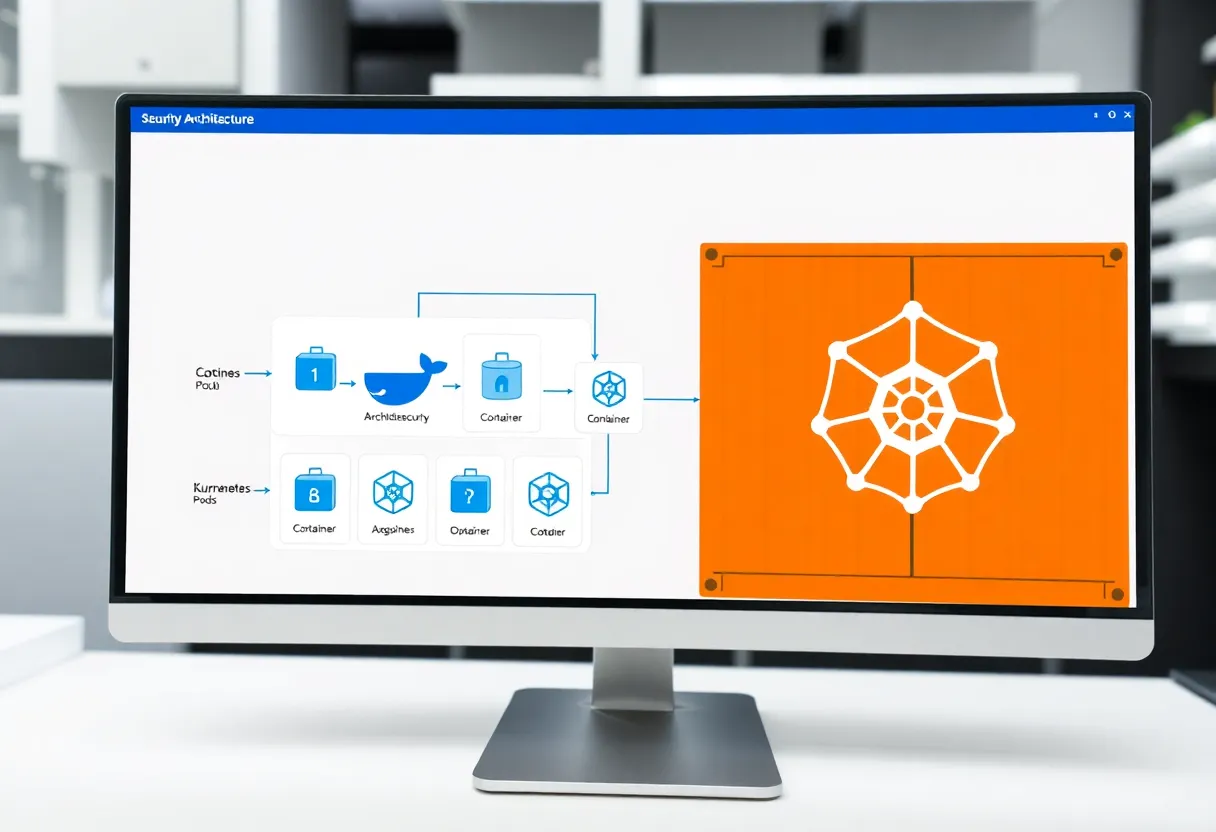
Containers introduce a different concept: the container image, which packages the application and all its dependencies (including OS-level libraries) into an immutable artifact. This is powerful for reproducibility but creates specific security challenges. A container image built six months ago contains OS packages and application libraries from six months ago, which may have known vulnerabilities. Unlike a running VM where you apply a security patch to the live system, a containerized application with a vulnerable library requires rebuilding the container image with the patched library and redeploying.
The container image supply chain is a significant attack surface. Images are typically built by pulling base images from public registries (Docker Hub, AWS ECR, GitHub Container Registry), adding application code, and pushing the result to a registry from which Kubernetes pulls and runs it. Each step introduces trust questions: Is the base image trustworthy and uncompromised? Are the dependencies you’re installing from package managers (npm, pip, apt) using pinned, verified versions? Is your build pipeline protected from injection of malicious code? The SolarWinds-style supply chain attacks that compromised software through build pipeline poisoning apply to container images.
Container image scanning tools (Trivy, Snyk Container, Clair, AWS Inspector for ECR) scan images for known vulnerabilities in installed packages before deployment. This is now standard practice in mature container pipelines — scan on build, fail the pipeline if critical vulnerabilities are found, rescan continuously as new CVEs are published. Teams that don’t scan images are running unknown vulnerability profiles in production in a way that was less common in the VM era because OS patch levels were more actively monitored.
Runtime Security: What Containers Can Do
In the VM model, “what can this VM do” is largely governed by network access controls and what the OS user has permission to do on the filesystem. Container runtime security is more granular but requires explicit configuration to be meaningful.
By default, a Docker container runs as root. Root in a container is not the same as root on the host due to namespace isolation, but it’s a significant attack surface expansion. A container running as root that escapes its namespace isolation is on the host as root. Running containers as non-root users (with USER directives in Dockerfile, or enforced by Kubernetes PodSecurityAdmission or OPA/Gatekeeper policies) meaningfully reduces the blast radius of a container compromise.
Linux capabilities are the fine-grained way the kernel divides root privilege into specific capabilities (CAP_NET_ADMIN, CAP_SYS_PTRACE, etc.). Containers should run with the minimum capabilities needed for the application, dropping all others. The default Docker capability set is broader than most applications need. A container that doesn’t need to modify network interfaces shouldn’t have CAP_NET_ADMIN; a container that doesn’t need to trace processes shouldn’t have CAP_SYS_PTRACE. Capability minimization follows the principle of least privilege and reduces the impact of a container compromise.
Seccomp profiles restrict which system calls a container can make. A web server container doesn’t need to call setuid() or ptrace(). Restricting the available syscalls with a seccomp profile reduces the attack surface for kernel exploitation — an attacker who can run code in a container but can’t make the syscalls needed to exploit a kernel vulnerability is substantially contained. Kubernetes supports seccomp profiles through security contexts; the “RuntimeDefault” profile provides reasonable baseline restrictions without requiring custom profile development.
Network Security: The Service Mesh and Policy Layer
VM networks are typically segmented with VLANs, security groups, and firewall rules that define what traffic is allowed between VMs. Container networking in Kubernetes is by default flat — every pod can reach every other pod on the cluster unless network policies are applied. This default-permit model is the opposite of the default-deny model that VM security best practice prescribes.
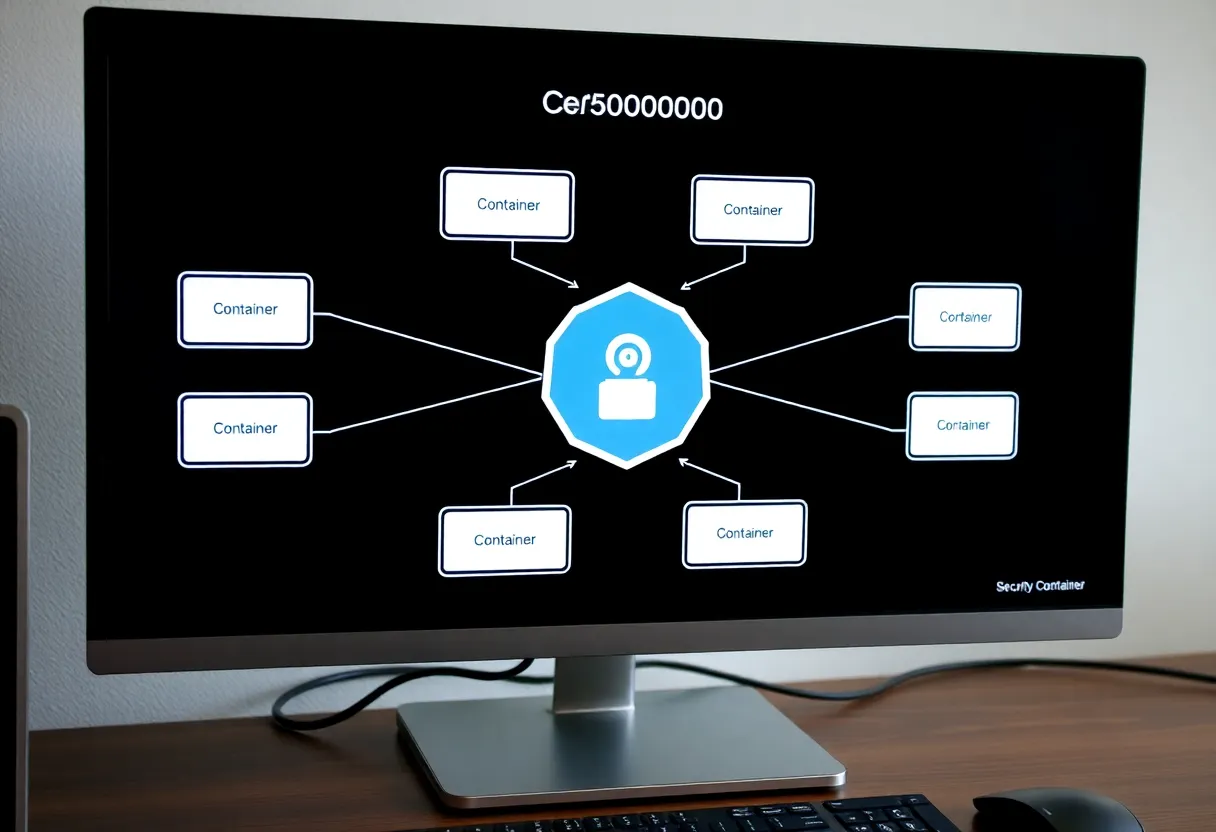
Kubernetes NetworkPolicy resources allow defining ingress and egress rules for pods based on labels — “this pod can only receive traffic from pods labeled with app=frontend” — which implements segmentation. Network policies require a CNI plugin that supports them (Calico, Cilium, and others); the default Kubernetes networking doesn’t enforce them. Teams that don’t apply network policies have a flat network where a compromised pod can attempt connections to any other pod in the cluster, including services handling sensitive data.
Service meshes (Istio, Linkerd, Cilium with service mesh features) add mutual TLS (mTLS) between services, ensuring service-to-service traffic is encrypted and authenticated even within the cluster. In VM environments, east-west traffic between VMs on the same internal network is often unencrypted and unauthenticated by default; service meshes address this for container environments.
The Operational Security Differences
Container environments change the security operations model in important ways. The immutability of container images means that forensic investigation of a compromised container is more complex than forensic investigation of a compromised VM — the container’s filesystem state at time of compromise may not be preserved if the container was terminated and replaced. Runtime security monitoring tools (Falco, Sysdig) that capture system call traces from running containers provide the forensic record that disappeared container filesystems don’t.
The ephemerality of containers — containers are expected to start, run, and terminate frequently, with Kubernetes replacing unhealthy ones automatically — means that security monitoring cannot rely on persistent host-level log aggregation in the same way it could with long-lived VMs. Container-native logging and monitoring infrastructure is required for effective security visibility, and the scale of events from a large Kubernetes cluster (thousands of pods starting and stopping, millions of syscalls) requires purpose-built tooling to analyze.
Security teams that treat containers like “lightweight VMs” and apply VM-era security practices without adapting them to the container model will have significant blind spots in their coverage. Container security is a distinct practice — sharing the threat modeling mindset with VM security but requiring different tooling, different policies, and different operational practices at every layer of the stack.