EV Home Charging Load Sharing: When Your Panel Beats the Car

Jordan Lee
April 7, 2026
Car reviewers obsess over peak DC fast-charging curves. Home charging reality is quieter and crueler: your EV might swallow 11 kW happily while your service entrance, main breaker, and the heat pump across the wall disagree about what “available capacity” means. Load sharing — dynamically throttling the EV charger when the house needs headroom — is the difference between a safe installation and a panel upgrade you were not planning to buy.
This guide explains when your electrical panel becomes the bottleneck, how load-management gear works in plain language, and how to plan a 2026 install that survives winter evenings when the dryer, oven, and car all want electrons at once.
None of this replaces a licensed electrician’s stamp; it equips you to ask sharper questions and avoid paying for the wrong fix twice over.
The car is not the villain; simultaneous loads are
Most North American homes were not designed for continuous 40–60 A draws on top of everyday life. An EVSE labeled “48 A” implies a sustained load that can trip a main breaker if it overlaps with other heavy hitters. Utilities care about transformers and feeders; your electrician cares about heat rise in lugs; you care about not browning out the kitchen when someone plugs in at 6 p.m.
Peak kW on the car’s screen is irrelevant if the house cannot supply it concurrently. That is why smart chargers advertise “load balancing” alongside cable length and Wi-Fi — the car’s appetite is flexible; your service size often is not.
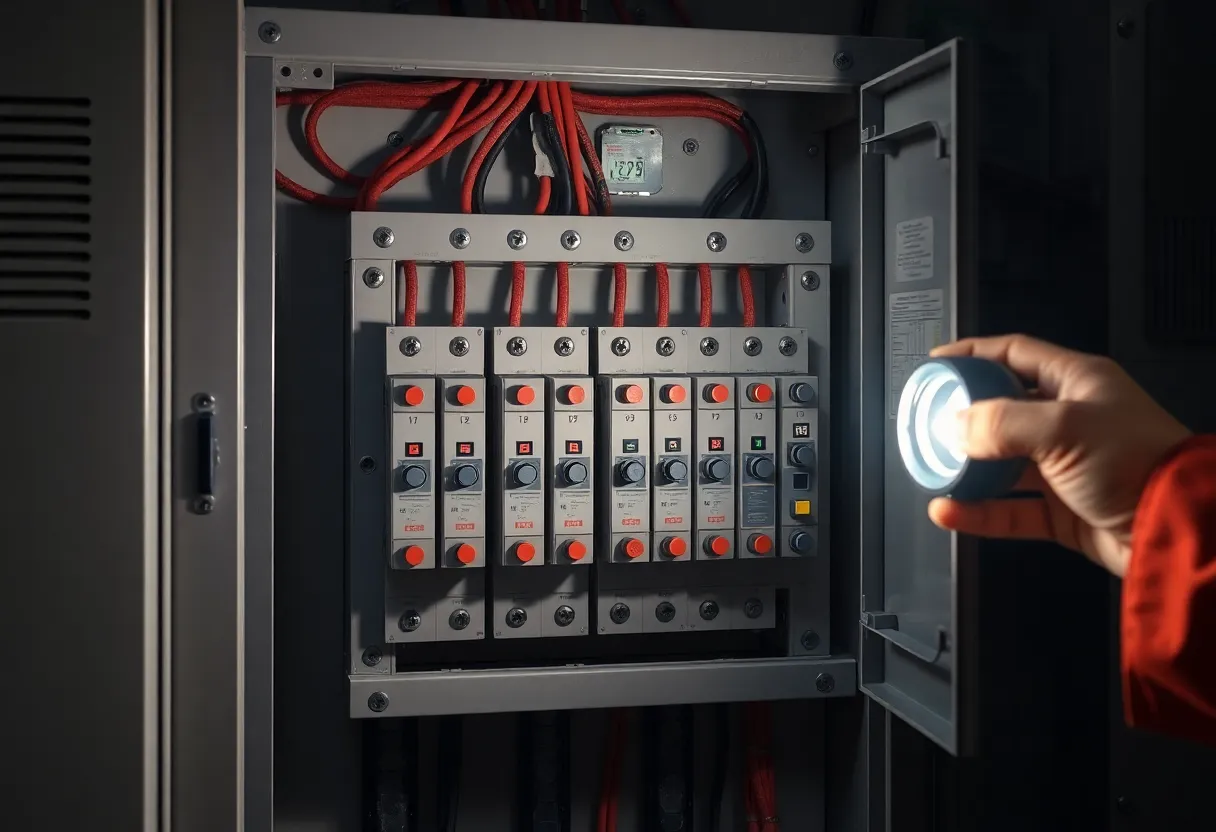
What load sharing actually measures
At its core, load sharing is feedback control: measure present demand, compare to a safe ceiling, adjust the EV’s pilot signal or digital command so the car’s onboard charger backs off. Good implementations react in seconds; great ones anticipate known appliances. None of them repeal Ohm’s law.
Systems fall into a few families:
- Whole-home monitors — CT clamps on the main feeders watch total import and dial the EV down before the main breaker trips.
- Static derating — Configure a hard cap based on load calculations; simple, cheap, but blind to seasonal changes.
- Utility programs — Some tariffs or grid events request curtailment; compliance features overlap with home load management.
The best choice depends on panel access, existing conductors, and whether you already have energy monitoring for solar or batteries. If you stack solar, battery, and EV, you want a controller that understands directionality — not a dumb timer that treats export as overload.
When code and common sense diverge
Electrical codes evolve to prevent fires, not to optimize your charging curve. Load calculations leave margins; real life fills them with space heaters and gaming PCs. A compliant install on paper can still be uncomfortable in practice if your family’s habits do not match the spreadsheet assumptions. Load sharing is how you buy operational slack without upsizing service — when the hardware supports it.
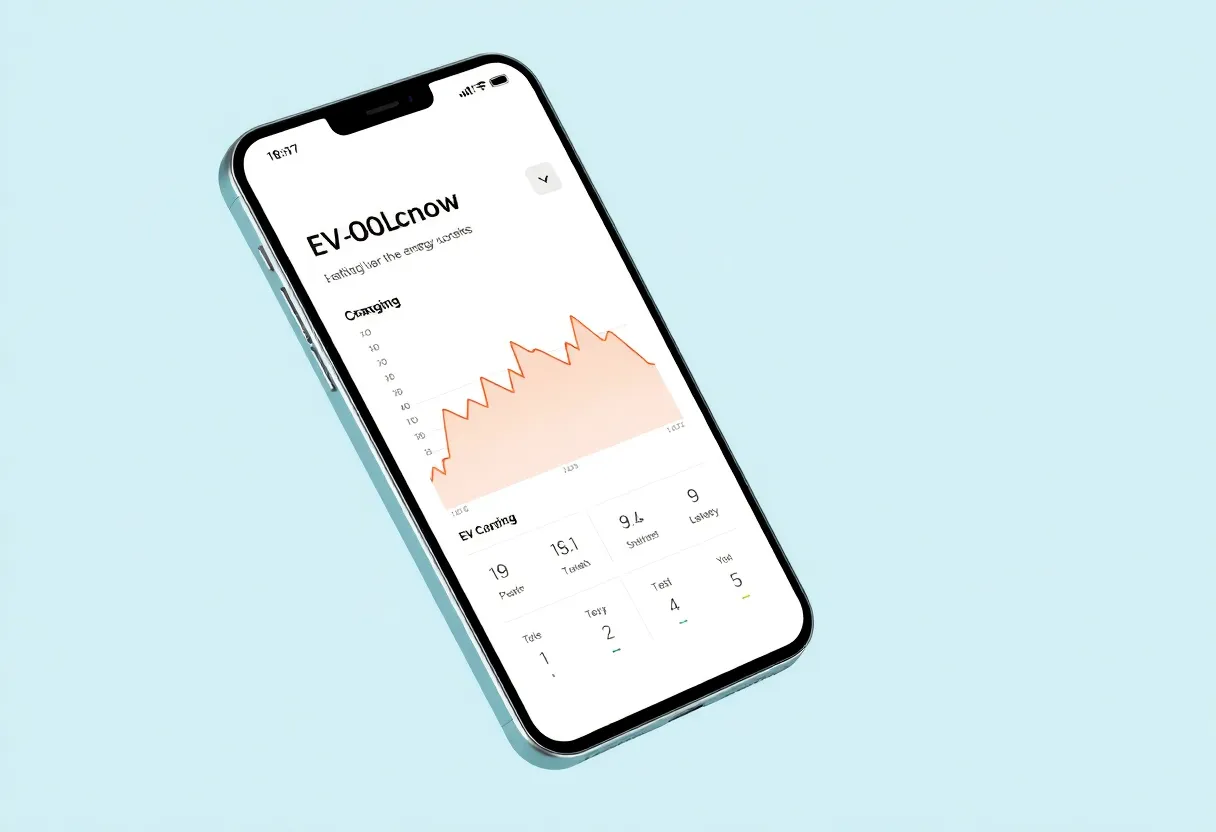
Panel upgrades are not the only answer
Service upgrades are sometimes unavoidable — ancient mains, full panels, planned second EV. But they are expensive and utility-timeline-dependent. Modern split-bus tricks, feeder taps where allowed, and intelligent throttling can defer surgery. Talk through concurrent loads with your electrician using real schedules, not imaginary minimalism. If you swear you never run the dryer while cooking, bring a family member who actually does laundry.
Two-EV homes and fairness fights
Load sharing across two chargers introduces priority rules: split evenly, favor the car with the morning commute, or rotate based on state of charge. Many systems support policies; family politics do not ship in the box. Document the rule on the fridge before the first squabble.
Software trust and offline behavior
Cloud-cuddly apps are convenient until DNS blips. Ask what happens when monitoring loses telemetry: does the charger fail safe to a conservative amperage, or pause entirely? For fire safety, hardware limits should still exist beneath software. Treat firmware updates like flight control patches — read notes, schedule off-peak.
Winter vs summer: seasonal headroom
Cold climates add heat pump auxiliary strips; warm climates add AC compressors. Your worst-case month might not be when you modeled the install. If you have interval data from the utility, graph a year before locking derating values. An hour of data is optimism; a season is information.
Also watch “shoulder” weeks in spring and fall when HVAC is off but people open windows less — small plug loads accumulate: dehumidifiers, aquarium heaters, workshop tools. EV charging is the largest single load in many homes; it makes latent weaknesses visible.
Generators and backup panels: a special case
If you have a standby generator or a battery backup system with a critical loads panel, EV charging may be excluded by design. Do not assume a whole-home monitor configured for grid import understands generator transfer events. Misconfigured priorities can strand the car offline during outages or, worse, overload the backup source. Backup-aware installers exist; this is not the job for a random handyman with a drill.
Neighborhood scale: when your house is fine but the transformer is not
Utilities sometimes enforce demand response or export limits before your main breaker complains. If you see voltage sag during neighborhood peak, your charger throttling might need to coordinate with utility signals even when your internal panel has spare amps on paper. This is more common in dense suburbs with older secondary infrastructure. It is not your fault; it is still your symptom.
Renters and condos: the political layer
Load sharing does not erase landlord approvals, HOA aesthetics, or shared garage feeder limits. Sometimes the bottleneck is not amps but permissions. Document technical options anyway — a future buyer or board conversation goes better with a vendor-neutral one-pager.
Shopping checklist
Vendor marketing loves superlatives; your breaker bus does not. Before you fall in love with a charger’s glass faceplate, confirm the ecosystem: some vendors lock advanced load management to proprietary accessories, while others integrate with third-party monitors you already own. Interoperability is improving, but “works with everything” is still a lie in 2026 — verify the exact SKU chain end to end.
- Confirm panel space and breaker type — not all smart breakers fit all buses.
- Verify monitor placement — CT clamps need accessible mains; some setups need an auxiliary box.
- Match car capabilities — onboard AC limit still caps you even if the wall unit brags.
- Plan Ethernet where possible — Wi-Fi in garages is a meme for a reason.
- Ask for written setpoints — max amps, alarm behavior, and fallback amperage after comms loss.
Bottom line
Your EV’s charging headline is only as good as your house’s simultaneous load story. Load sharing turns a rigid panel into a cooperative one — if you measure honestly, configure conservatively, and treat software limits as a layer on top of hardware safety, not a replacement for it. When the car asks for speed, let your panel answer with data, not hope.
Before you sign for a “max amperage” install, ask one question out loud at the kitchen table: What else is running while we charge? If the answer makes people laugh nervously, you already knew you needed load management — you just needed permission to admit it.
Installer scripts that save rework
Bring photos of your panel cover legend, the meter label, and any subpanels to the first site visit. Note whether you have aluminum feeders, tandem breakers, or double-stuff chaos from decades of kitchen remodels. Electricians price uncertainty; data reduces it. If you already own whole-home monitoring from a solar install, say so — overlapping CT clamps and incompatible hubs are a classic 2026 headache.
Why “80% rule” conversations matter for continuous loads
EV charging is a continuous load in code terms; breakers and conductors are sized with that in mind. Load-sharing software does not suspend physics. When you derate dynamically, you are effectively moving between safe operating points under software control. That is fine when implemented correctly — and why reputable vendors emphasize fail-safe defaults.
Tax credits, rebates, and paperwork that nudges smarter choices
Incentive programs sometimes push “smart” chargers with connectivity requirements. Read the fine print: some rebates care about grid responsiveness, which overlaps with load management features you wanted anyway. Others are checkbox theater. Match incentives to architecture, not to marketing stickers.
When to stop optimizing and upgrade service
If monitoring shows you pegging the main weekly even with aggressive throttling, economics shift. Frequent nuisance trips — or the ambient anxiety that they might happen — mean it is time to price a service upgrade alongside solar or heat pump plans. Bundling trenching, conduit, and inspections can amortize pain.
Until then, load sharing is the adult compromise: your car charges as fast as the house can safely spare, not as fast as a spec sheet brags in a vacuum.
If you want a single number to track after install, make it maximum simultaneous import amps during a weeknight dinner rush — not your car’s peak kW on a road trip. That household number is the truth your panel lives by.