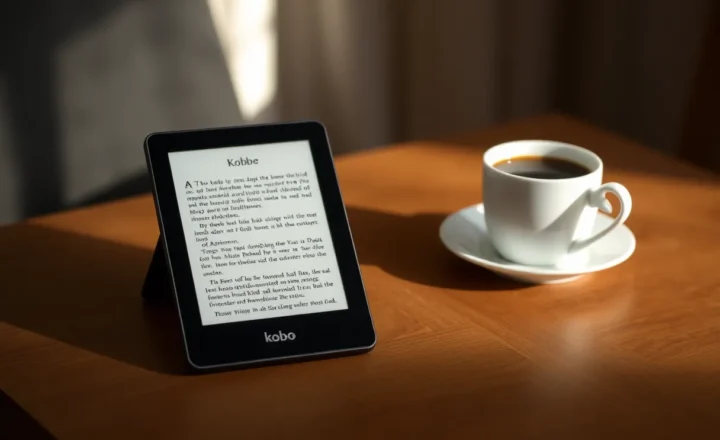
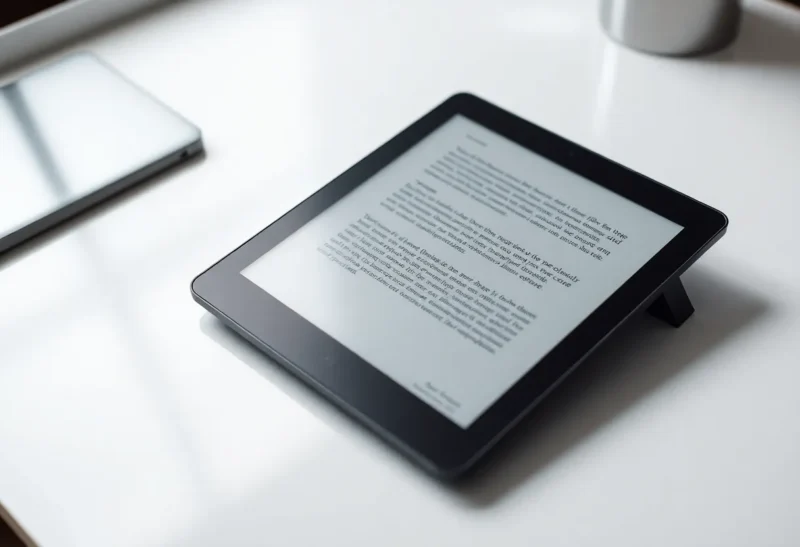
E-ink used to mean one thing: the grayscale screen on your Kindle. Read in the sun, battery for weeks, no backlight. That’s still a huge use case—but it’s no longer the only one. E-ink panels are showing up in smartwatches, secondary laptop displays, desk dashboards, price tags, and even phones. The technology has matured, and the ecosystem is finally branching out. If you still think e-ink equals e-readers, here’s what you’re missing.
Why E-Ink Left the Book
E-ink’s strengths are unchanged: low power, readable in bright light, easy on the eyes for long reading. What’s changed is that manufacturers have pushed refresh rates, color, and resolution. Early color e-ink was slow and washed out. Newer panels are fast enough for dashboards and secondary screens, and color versions are good enough for comics, notes, and UI. So the same qualities that made e-ink great for books—legibility and battery life—are now being applied to devices that do more than display a single page of text.
Where E-Ink Is Showing Up Now
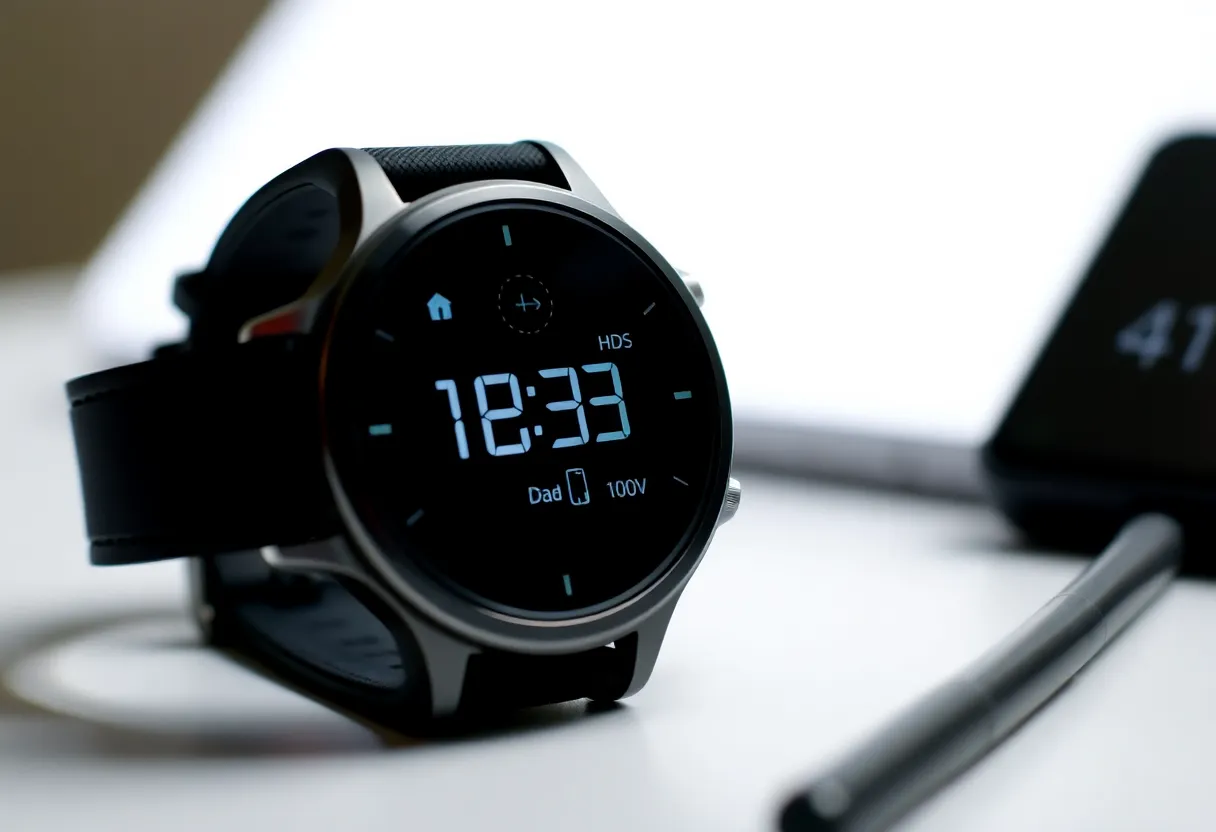
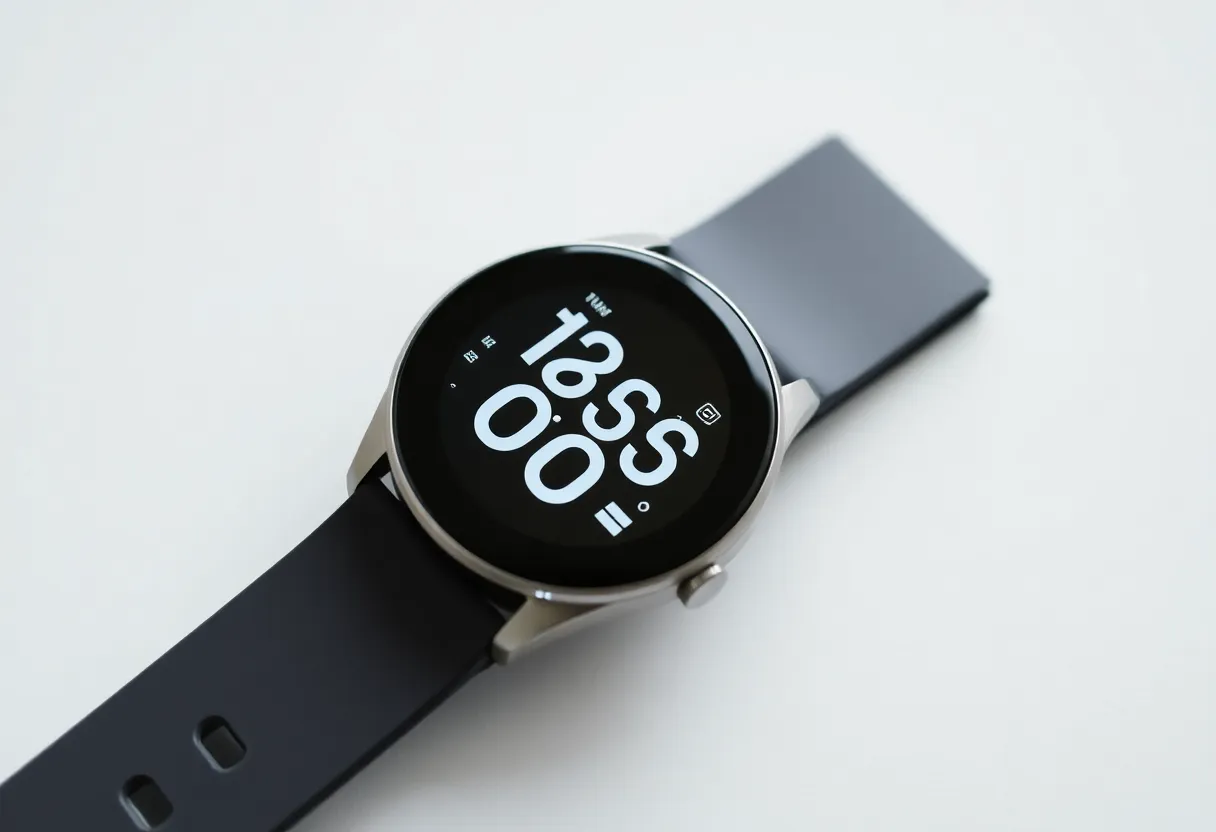
Smartwatches and wearables. Several watches now use e-ink (or similar reflective) displays. They’re always on, readable outdoors, and sip power so the battery can last days or weeks. You get time, notifications, and basic fitness data without the glow of an OLED screen. They’re not for everyone—if you want rich graphics and video, stick with traditional displays—but for people who want a low-distraction, high-uptime wearable, e-ink is a real option.
Secondary displays and laptops. Some laptops and accessories add a small e-ink panel on the lid or as a second screen. Use it for notes, a calendar, or a static dashboard while the main display does heavy lifting. The idea is to offload low-change, high-readability content to a screen that doesn’t burn power or demand attention.
Desk dashboards and status boards. E-ink is ideal for “set and forget” displays: weather, calendar, to-do list, or system stats. They sit on your desk, update every few minutes or on demand, and don’t glow or distract. DIY and commercial dashboard products are both adopting e-ink for this.
Retail and signage. Electronic shelf labels and signs in stores have used e-ink for years. They’re cheap to run, readable under store lighting, and can update prices or info without printing new labels. That’s a different market from consumer gadgets, but it proves the tech at scale.
Who It’s For
E-ink beyond e-readers is for people who want clarity and battery life over vivid color and high refresh. If you’re a heavy reader, you already know the deal. If you’re a minimalist who wants a watch that doesn’t demand charging every night, or a desk that shows useful info without another glowing rectangle, e-ink is worth a look. It’s also for tinkerers: small e-ink panels are available for DIY projects, so you can build your own dashboard or status display.
The Bottom Line
E-ink isn’t just for e-readers anymore. It’s in wearables, secondary screens, dashboards, and retail—anywhere low power and high readability matter more than video and animation. The tech will keep improving: faster refresh, better color, more form factors. If you’ve ignored e-ink since your last Kindle, it’s time to look again.