Does a Supernote Nomad replace a phone for a 40-minute commute, or only for notes at a desk?

Martin Quill
October 7, 2026
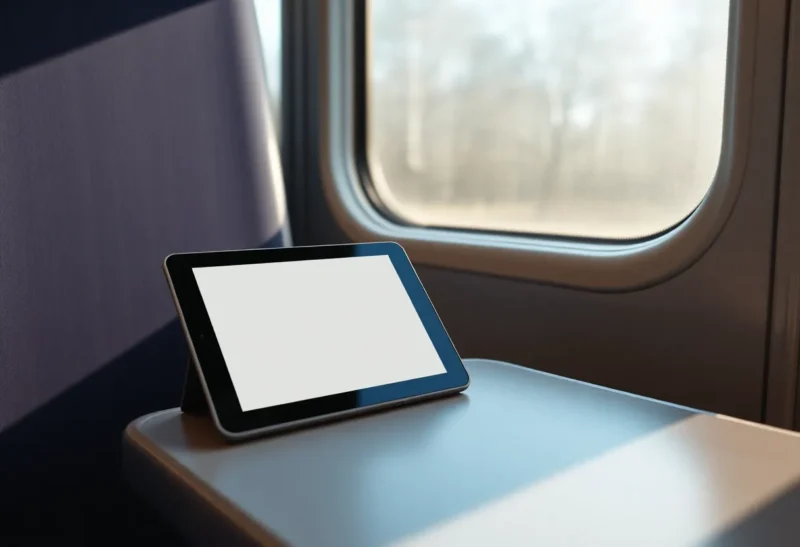
Only for notes and a book that is already on it. A Supernote Nomad does not replace a phone for a 40-minute commute. The phone still carries the ticket, the map, the message that says the platform changed, and the lock screen you will check twice before you sit down. The Nomad replaces the phone for the part of the ride that is handwriting or a loaded chapter, if you loaded it before you left the house. At a desk it is a small notebook. On the train it is that same notebook, not a second phone.
Forty minutes is long enough to write two pages or read a chapter, and short enough that fumbling a sync will eat the ride. The Nomad wins the middle of the trip. It loses the first three minutes and the last three, which are phone minutes whether you like it or not.
What can the Nomad actually do in that window?
Write. The Nomad wakes into a notebook, the pen is in the folio, and a page does not glow at the person across the aisle. For a commute that is “I want the thought down before I get to the office,” it is better than a phone note. The phone note becomes a notification. The Nomad page stays a page.
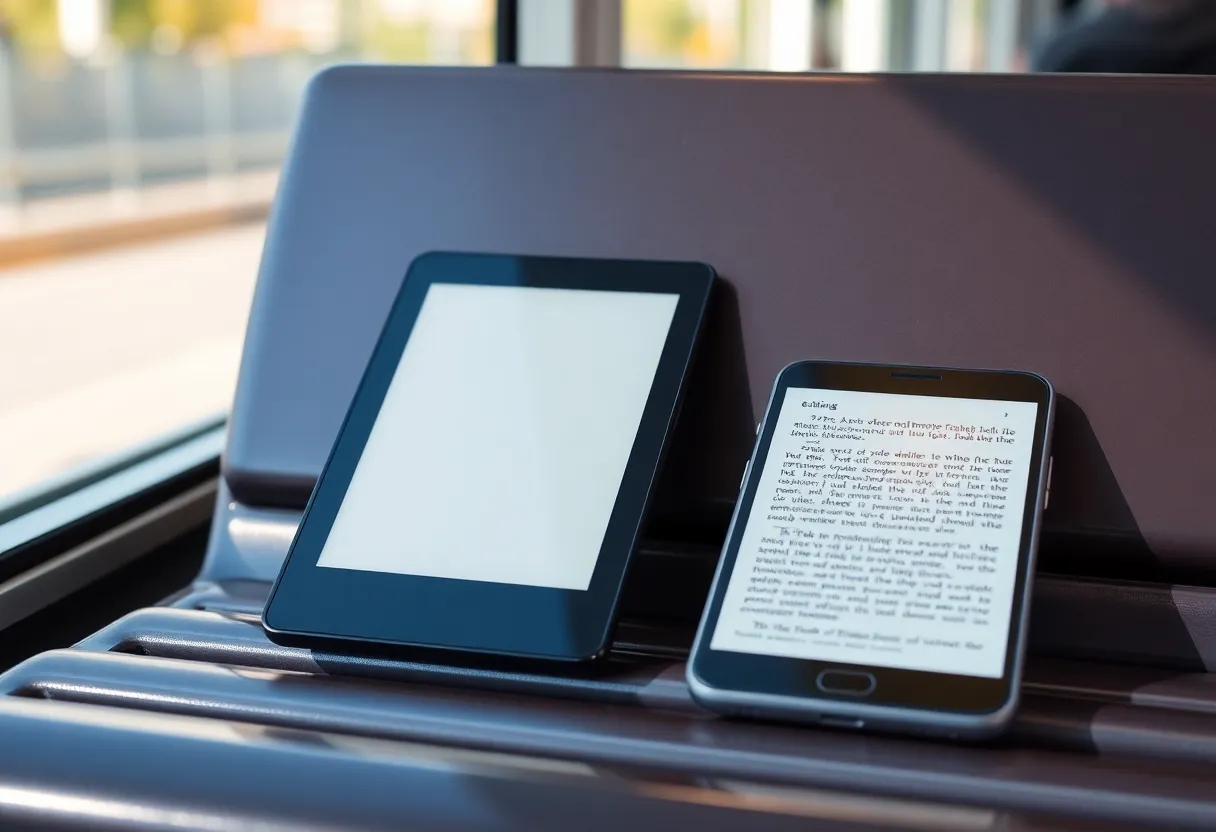
Read a file that is already on the device. An EPUB or a PDF you copied before you left will still be there with Wi-Fi off, in a tunnel, on a train whose network is a joke. That is the reading the phone is bad at in sunlight and bad at for your attention. The Nomad is the right object for that file. It is the wrong object for the article you meant to save from the browser as you walked out the door. If it is not on the device at the platform, it will not be on the device at the next stop.
It will not buy the ticket, show the live departure, authenticate the building door, or tell you the bus is two stops away. Those are the commute. A 40-minute ride that is a single train you already boarded can be a Nomad ride in the middle. A 40-minute ride that is two changes and a code on a lock screen cannot. Count your actual trip, not the brochure commute where you sit down and stay sat.
Why the desk is the honest home for it
At a desk the Nomad is a capture device next to a computer. You write, you export, you are done. Nobody asks it to be a map. The page size is enough for a meeting note and small for a full contract, which you already knew if you also own a larger Supernote. The desk does not punish the size. The commute does, a little, and then forgives it because the thing fits in a coat.
The failure at a desk is different. You will try to make the Nomad the only notebook and then resent the small page for long writing you should have done on the Manta or on paper. The commute question is not that. The commute question is whether you can leave the phone in the bag. You cannot. You can leave the phone in a pocket and not open it for the twenty minutes in the middle, which is a real win and a smaller claim than “replaced.”
If you do not have a desk habit, the Nomad will not grow one on the train. You will carry it for a week, write twice, and go back to the phone’s notes app because the phone was already in your hand for the ticket. The device replaces a phone only for a job the phone was doing badly and that you already do. It does not install the habit.
What has to be true before you leave?
The notebook you mean to continue is on the Nomad, not only in Partner or in a cloud you will not reach in the tunnel. Open it on Wi-Fi at home, then turn Wi-Fi off and open it again. If it opens, the commute can use it. If it spins, you are about to spend the ride looking at a sync icon.
The chapter is downloaded. Supernote is not a Kindle store. Whatever you are reading is a file. Copy it. A commute is a bad time to discover the document was a link.
The pen is charged or it is the kind of pen that does not have a battery you forgot. A dead pen turns the Nomad into a small gray brick and you will take the phone out for the notes anyway. Check it the night before, not on the platform.
The phone is still with you, on silent if that is the point, with the ticket visible without a hunt. The Nomad does not get to be the only device until your commute is a walk with nothing to scan. Most 40-minute commutes are not that walk.
Where people drop it and go back to the phone
The first five minutes. You are standing, the folio is in the bag under a laptop, and the phone is already unlocked for the barcode. By the time you sit, the interesting thing is a message. The Nomad never came out. That is not a screen-quality problem. That is pocket order. If the Nomad is under the laptop, it is a desk tool you transported. Put it in the coat pocket you can reach while seated, or stop calling it a commute device.
Sunlight on the platform is a place the Nomad looks better than the phone, and you are not reading then. You are walking. The reading happens in the car, where the light is fine for both. Do not buy it to win the platform. Buy it if you will write once the doors close.
A notebook that lives on the big Supernote at the desk and only sometimes on the Nomad will be the wrong notebook on the train. Two devices split the pages unless you sync on purpose. For a commute, pick one notebook that is allowed to be the mobile one, and export it when you get in. Do not expect the Nomad to be a window onto every page on the Manta without a sync you already tested.
What about the ride home, when you are tired?
The morning commute is the one people plan. The ride home is the one that tells the truth. You are standing, the bag is heavier, and the phone is how you tell someone you are on the train. The Nomad stays in the pocket. If you only write on the way in, call it a morning notebook, not a commute replacement. That is still a good use. It is a smaller use than the product page, and it matches a 40-minute life better than pretending both directions are reading time.
Battery is not the reason it fails the ride home. A Nomad will do notes and a chapter without a charge in the middle of the day. The reason is your hand. If the phone is already out for a “running ten minutes late” text, the second device needs a reason that beats the momentum of the glass you are holding. Most nights it does not. Put the Nomad away without guilt. The desk in the morning is where the page you did write gets exported. Missing the ride home does not waste the ride in.
If both directions matter, the test is four trips, not one proud morning. Count how often the Nomad left the pocket after the doors closed. Twice out of four is a tool you use. Zero out of four is a desk notebook you are commuting with, which is an expensive way to carry a plan.
A commute that fits, and one that does not
Fits: one seat, forty minutes, a notebook you opened last night, a chapter copied, the phone in the pocket for the ticket and nothing else until the stop. You write or you read. You do not switch apps. The Nomad is the right single app.
Does not fit: a bus then a train, a calendar that changes, Slack that your job treats as the commute, navigation at the far end. The phone will be in your hand for most of those forty minutes. The Nomad will be weight. Leave it at the desk and take one article you already saved on the phone, or accept that you are carrying two devices so you can ignore one.
The desk is where the Nomad is obviously useful: a pen, a small page, no notifications. The commute is useful only in the middle, and only if you loaded the work. It does not replace the phone. It replaces the phone’s notes app for that slice, which is worth it if you will actually take it out, and a paperweight if the ticket is the whole trip.