Cold-Weather EV Range: Preconditioning, Batteries, and What Dealers Omit

Jordan Lee
April 7, 2026
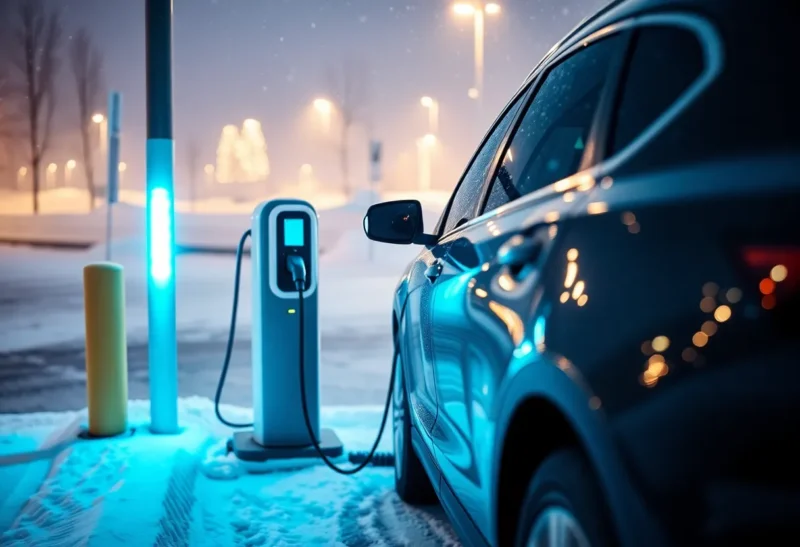
Winter EV threads follow a predictable rhythm. Someone posts a range number. Someone else posts a colder number. A third person mentions preconditioning. A fourth person says “just drive slower.” Meanwhile, a buyer stands in a dealership asking a question that sounds simple—how far will this go in January?—and discovers that simple questions about electric cars rarely get simple answers.
Cold weather does reduce usable range for most battery electric vehicles. That is not a scandal; it is chemistry, thermodynamics, and the way cabins demand heat. What is frustrating is how often the public conversation collapses into slogans while omitting the operational details that actually determine whether you arrive warm, late, or on a flatbed.
This article separates the physics from the folklore: what cold does to batteries, why cabin heating matters so much, what preconditioning actually buys you, and what sales materials tend to leave unsaid.
What changes in winter (the short honest list)
In cold climates, EV efficiency typically shifts because of a stacked set of effects:
- Battery temperature: cold packs have higher internal resistance, which shows up as less energy delivered for the same “percent” on the gauge, slower fast-charging acceptance until warmed, and sometimes reduced regenerative braking until the system protects the pack.
- Cabin heat: resistive heating (or heat pump performance at extremes) pulls power continuously while you drive—unlike a gasoline engine, which has waste heat to spare.
- Route and traction: snow and slush increase rolling resistance; defrosting keeps glass clear; short trips hurt more because you pay the warm-up cost repeatedly.
- Charging behavior: a cold battery may not accept peak charge power immediately, which changes road-trip timing even if the charger is “fast.”

None of that means EVs “fail” in winter. It means winter is a different operating regime, and the car’s UI percent is not a weather-independent promise.
Why “EPA range” is not a winter forecast
Regulatory test cycles are useful for comparing vehicles under standardized conditions. They are not a personalized prediction for your commute at −15°C with defrost on high, winter tires, and a headwind across an exposed bridge.
Dealers often repeat headline range because it is easy. What they sometimes omit is the translation step: your winter number depends on how you heat, how far you drive, and whether you precondition while plugged in. Two drivers in the same model can report very different winter efficiency because their habits differ.
Preconditioning: the biggest lever people actually control
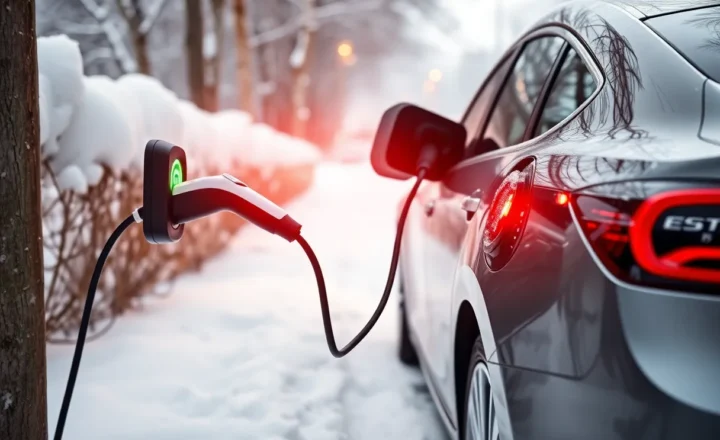
Preconditioning means bringing the cabin—and often the battery—toward a better operating temperature while the car is still connected to external power. Done at home before departure, it reduces the amount of energy you borrow from the pack for initial comfort. Done at a DC fast charger (when supported), it can improve charge power acceptance by warming the battery before a high-power session.
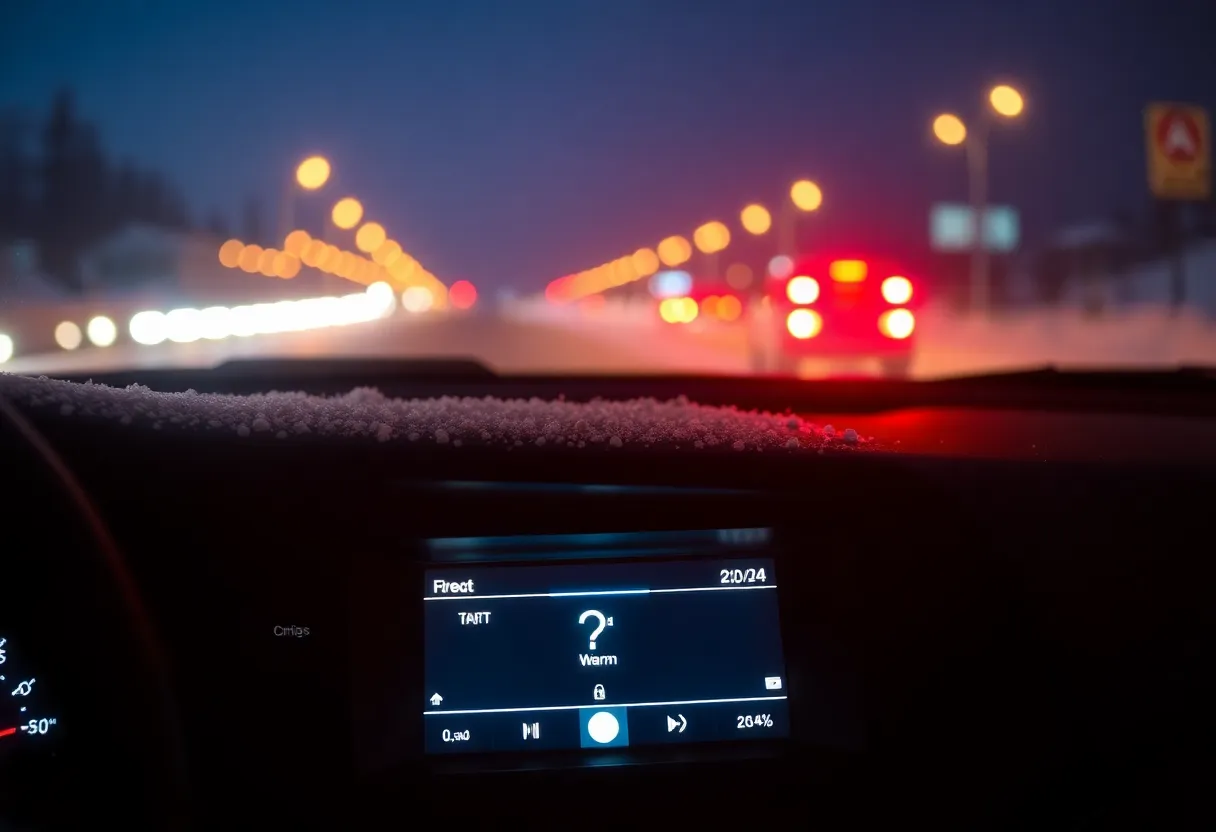
If there is one winter habit that separates smooth EV ownership from complaining on forums, it is this: stop treating departure like a gasoline surprise start. Schedule preconditioning when possible, especially on a wall charger, so your first 10 minutes of driving are not simultaneously paying the full thermal bill.
Heat pumps help—until the label becomes magic
Heat pumps can move heat more efficiently than pure resistive heating in many conditions. In bitter cold, performance can degrade; the system may blend in resistive backup. The real-world takeaway is not “heat pump = no winter penalty.” It is “heat pump can reduce the penalty in a meaningful band of temperatures—read the fine print of your specific car.”
Regenerative braking: why it sometimes “disappears” when it is cold
Many EVs limit regen on cold mornings to protect the pack from large charge pulses into a chilly battery. Drivers experience this as a different pedal feel and more reliance on friction brakes. It is not necessarily a malfunction; it is thermal management showing up in drivability.
As the pack warms—especially if you precondition—regen often returns toward normal. If you are new to EVs, this seasonal personality shift can feel like the car is inconsistent. It is mostly consistent with physics.
Street parking vs garage: the infrastructure story hiding inside winter range
Preconditioning is easy to recommend and hard to practice if you do not have reliable charging where the car sleeps. Apartment dwellers and on-street parkers face a different risk profile: more cold starts, fewer opportunities to borrow grid power for cabin heat, and more dependence on public charging economics.
That is not an argument against EVs; it is an argument for honest segmentation. Winter range complaints correlate surprisingly strongly with charging access—not because people are irrational, but because thermal strategy requires electrons at the right time.
“Battery damage” myths vs winter efficiency loss
Cold weather reducing available energy for today’s drive is not the same thing as permanently destroying battery health because you drove in January. Modern packs have thermal controls; extreme scenarios exist, but routine winter commuting is not automatically a degradation catastrophe.
Where cold can matter long-term is more about patterns: always fast-charging a freezing pack, always parking at extreme states of charge in temperature extremes, or always relying on ultra-fast charging because home charging is unavailable. Those are lifestyle and infrastructure questions more than single-digit thermometer readings.
Fast charging in winter is a scheduling skill
Road trippers discover cold-gate behavior the hard way: you arrive at a 250 kW stall, and the car accepts a fraction of that until the pack warms. Navigation systems that pre-condition for a selected charger are not a luxury feature in cold climates—they are a latency reducer.
If your route planning assumes best-case charge curves year-round, you will eventually learn a lesson at a windy charger in February. Build buffer, plan warmer stops when possible, and treat the first minutes of a session as part of the trip time—not cheating.
Winter tires, aero, and the “small” hits that add up
Winter rubber is safer on cold pavement; it also tends to increase rolling resistance compared with low-rolling-resistance summer tires. That is a worthwhile trade for most drivers, but it is another reason your winter dashboard efficiency diverges from the brochure.
Roof racks, bike trays, and even accumulated snow in the wheel wells change aero and weight in ways that matter more at highway speeds. If your summer baseline was a meticulously clean commuter and your winter baseline is a ski-trip sled with a carrier, comparing range numbers without naming those variables produces fake arguments online.
Short trips punish EVs more than long ones—especially in cold
A five-kilometer errand repeated twice a day is not “only ten kilometers.” It is two warm-up cycles, two cabin heat ramps, and two periods where the drivetrain is operating away from its happiest temperature island. Gasoline cars also suffer winter penalties, but the cultural expectations differ because refueling is fast and familiar.
If your life is mostly short hops, winter EV ownership rewards disciplined charging location strategy and aggressive preconditioning when plugged in. If your life is mostly longer steady drives, winter penalties often look milder because the thermal systems reach equilibrium and the share of energy spent on heat drops relative to motion.
What fleet buyers should model (because employees will not)
Companies electrifying field vehicles should model winter separately from summer. Departure schedules, idle time with cabin heat, and outdoor parking at job sites change utilization in ways spreadsheet assumptions miss. The fix is rarely “buy bigger batteries for everyone”; it is often smarter route density, guaranteed overnight charging, and realistic dispatch buffers.
What owners should ask (and what sales should answer)
Buyers deserve clarity without engineering lectures. Useful questions include:
- What is realistic winter efficiency for my typical trip length?
- Does this vehicle support scheduled departure preconditioning?
- How does DC fast charging behave when the battery is cold—and does routing help?
- Is there a heat pump, and how does the car behave at very low temperatures?
- What winter tires do to efficiency (they matter)?
Useful sales answers avoid pretending EPA numbers are climate forecasts. They translate expectations into habits: plug in at home, precondition, plan charging stops with thermal reality in mind.
A sanity checklist before you panic about “bad winter range”
If your winter consumption spikes, check the boring variables first: tire pressures, roof loads, cabin setpoints, seat heaters versus air temperature, and whether you are preconditioning on grid power. Often the car is fine; the thermodynamic bill is just visible in a way gasoline bills hide inside liquid fuel rituals.
The adult conclusion
Cold weather asks more from batteries and thermal systems. That is not a secret flaw; it is the cost of driving a highly efficient drivetrain that does not throw away kilowatts as engine heat all year.
Winter EV range is not a single statistic. It is a bundle of behaviors, hardware choices, and trip patterns. Preconditioning is the lever owners control. Honest dealer conversations are the lever the industry controls. And the weather, unfortunately, still controls the rest—so plan like an adult, not like a spec sheet.