Brain-computer interfaces (BCIs) have moved from lab curiosities to headline news. Neuralink has put implants in human patients. Non-invasive headsets promise to control devices with your thoughts. The hype suggests we’re close to seamless mind-to-machine connection. The reality in 2026 is more constrained—and in some ways more impressive. Here’s what’s actually possible, what’s still science fiction, and where the field is heading.
Two Tracks: Invasive and Non-Invasive
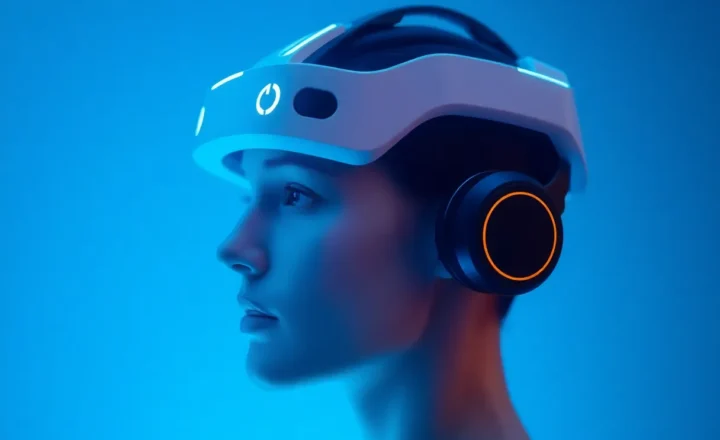
BCIs split into two broad categories. Invasive interfaces use electrodes inside or on the surface of the brain. They get the clearest signals and can drive precise control—cursor movement, typing, or prosthetic control—but they require surgery and carry risk. Non-invasive systems sit on the scalp and read electrical or metabolic activity. They’re safe and easy to put on, but the signal is noisier and the resolution is lower. You can’t get “think and click” precision from a headband. In 2026, invasive BCIs are still mostly in clinical trials or early commercial use for people with severe paralysis. Non-invasive BCIs are in consumer and research use for basic control, meditation feedback, and gaming—but they’re not reading your thoughts in any fine-grained way.
What Invasive BCIs Can Do Now
Neuralink and similar companies have shown that implanted electrodes can let a person move a cursor, play games, and communicate by selecting characters on a screen. For someone who can’t move or speak, that’s life-changing. The technology works: the brain generates intent, the implant picks it up, and software translates it into action. What it doesn’t do yet is general-purpose “mind reading” or arbitrary control of complex software. The tasks are still narrow—point, click, type—and they require training and calibration. The hardware is also still evolving. Long-term stability, wireless data transfer, and the risk of infection or rejection are active areas of work. So invasive BCIs in 2026 are a proof of concept that’s already helping patients, with a long road before they’re routine or consumer-ready.
What Non-Invasive BCIs Can Do
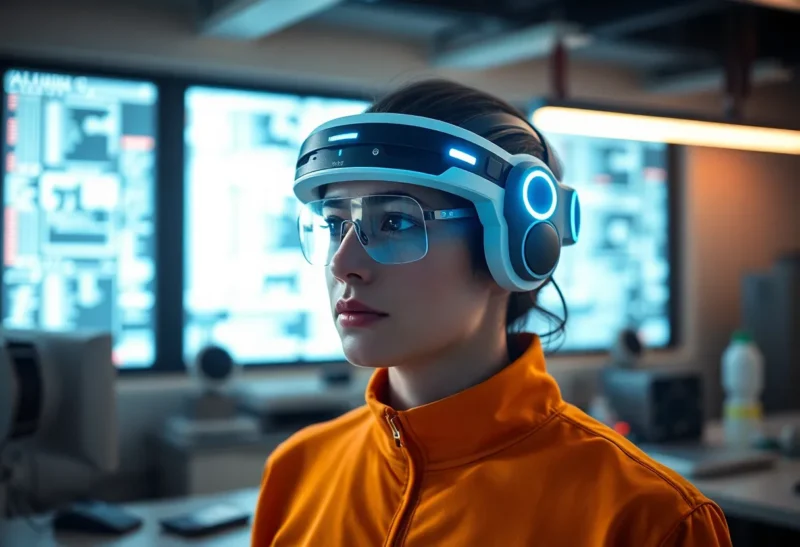
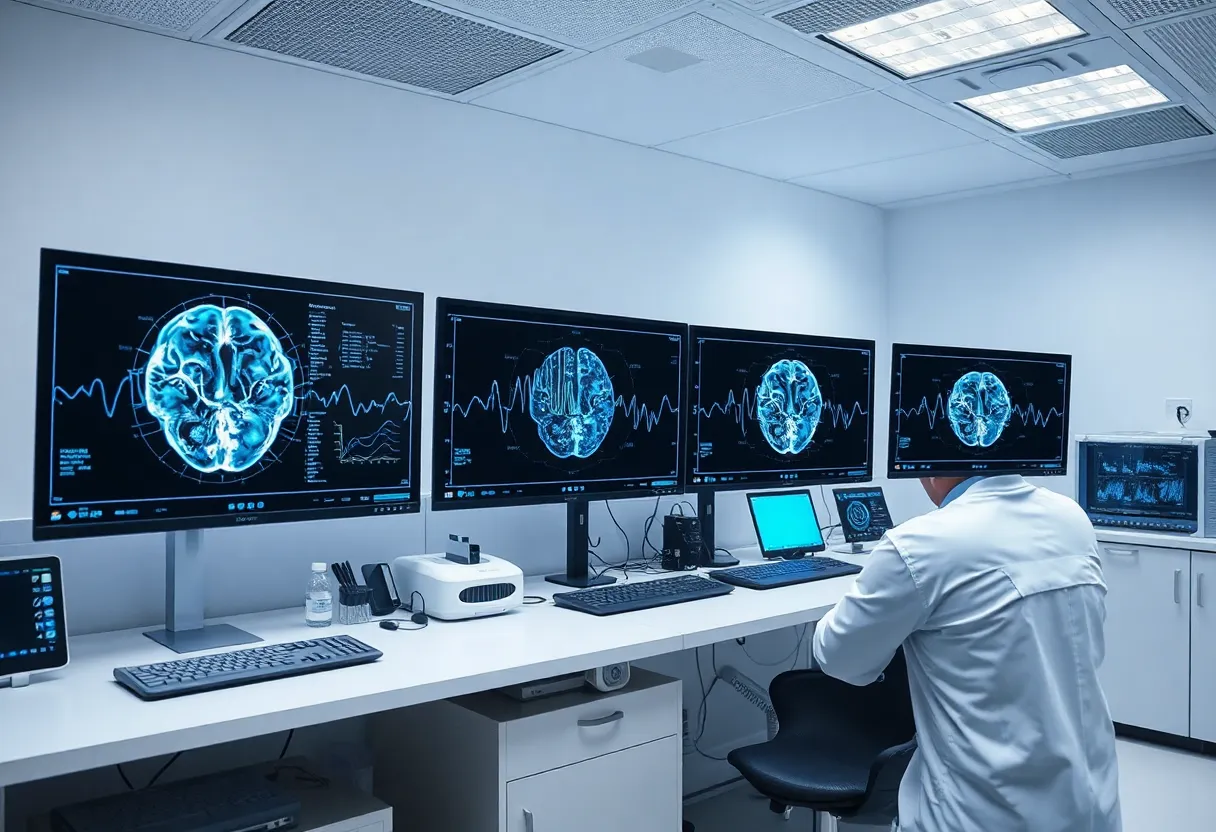
Consumer and research non-invasive BCIs use EEG (electrical activity) or sometimes fNIRS (blood flow). They can detect broad states: focus, relaxation, drowsiness. They can distinguish a few mental commands—left vs right, or a simple “select”—after training. You can use them to move a cursor slowly, play a simple game, or control a wheelchair in a lab setting. What they can’t do is decode arbitrary thoughts or give you fast, precise control. The skull and scalp blur the signal. So non-invasive BCIs in 2026 are good for wellness apps, accessibility experiments, and research. They’re not a replacement for a mouse or a keyboard for the general user.
The Hype vs the Timeline
Headlines often suggest that BCIs will soon let us stream thoughts to each other or control the world with our minds. The science doesn’t support that timeline. Reading “what someone is thinking” in any rich sense would require understanding how meaning is represented across millions of neurons—we’re nowhere near that. What we have is the ability to decode a small set of intended actions or states from trained users. That’s already valuable for medicine and assistive tech. It’s not the same as telepathy or universal control. Progress will be incremental: better implants, better algorithms, and maybe hybrid approaches that combine invasive and non-invasive sensing. But 2026 is still early. The “what’s possible” is impressive for a narrow set of use cases. The “what’s coming” is more of the same, refined—not a sudden leap to science-fiction generality.
The Bottom Line
Brain-computer interfaces in 2026 are real and useful. Invasive systems are restoring communication and control for people with severe disability. Non-invasive systems are in consumer and research use for coarse control and state detection. What’s not real yet is general-purpose mind reading, seamless mental control of arbitrary software, or the kind of BCI that would replace keyboards and mice for everyone. The field is moving. The hype is ahead of the capability. And for the people who benefit from what exists today, that capability is already enough to matter.