Brain-Computer Interfaces Beyond the Hype: What’s Actually Possible

Zara Nader
February 26, 2026
Brain-computer interfaces (BCIs) have been promised as everything from the next input device to a cure for paralysis. Headlines swing between “mind-controlled gadgets” and “invasive implants that read your thoughts.” The reality is messier and more interesting: real progress in specific applications, huge gaps in others, and a lot of confusion about what “reading the brain” actually means. Here’s what’s possible today, what’s close, and what’s still science fiction.
What We Mean by “Brain-Computer Interface”
A BCI is any system that takes a signal from the nervous system and uses it to control an external device—or the reverse, feeding information into the brain. The signal can be electrical (EEG from the scalp, or signals from electrodes inside the brain), metabolic (like fMRI), or a hybrid. Non-invasive methods—caps with electrodes that sit on the head—are safe and easy to use but pick up noisy, low-resolution data. Invasive methods—implants that record from individual neurons or small populations—give much better signal quality but require surgery and carry risk. Most of the hype blurs this distinction. What works in a lab with a willing, trained user and a clean setup often falls apart in the real world.
What Actually Works Today
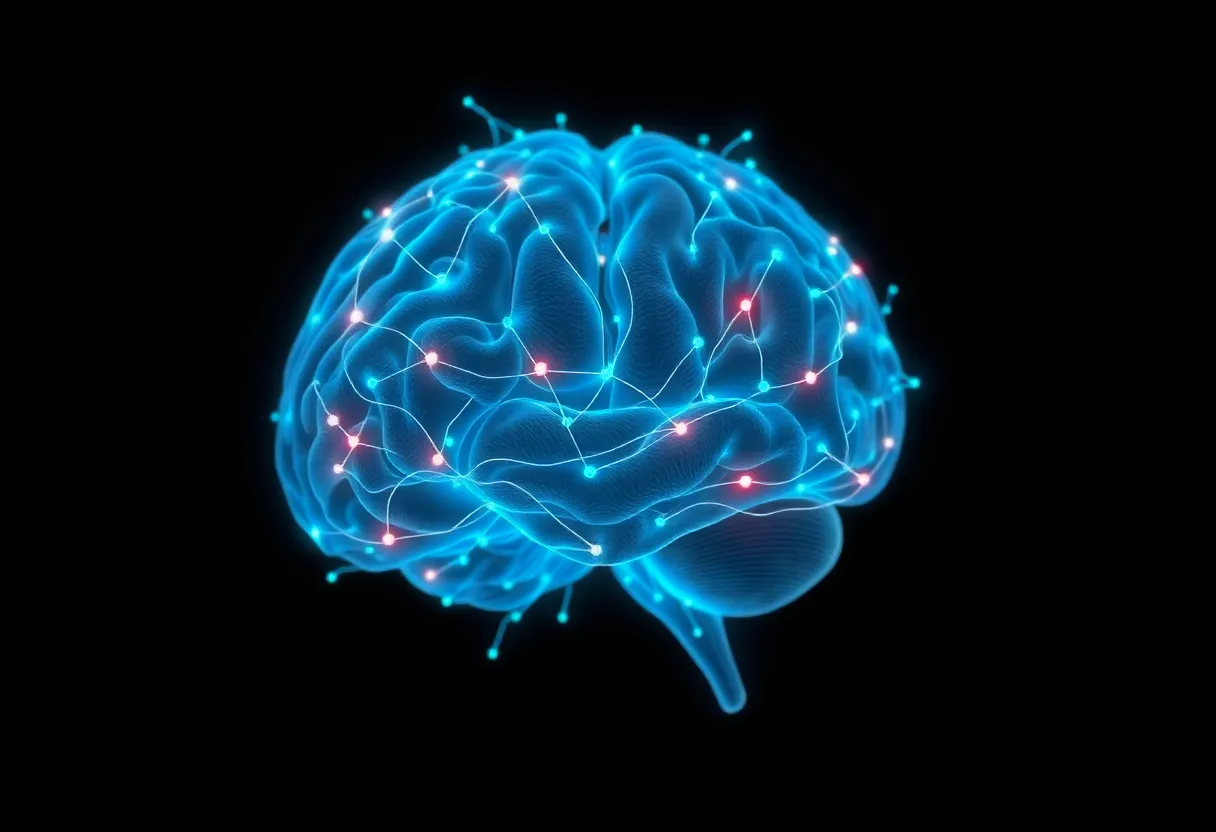
The clearest success story is assistive technology for people with severe motor impairment. If you can’t move your limbs or speak, a BCI can let you spell words, move a cursor, or control a wheelchair by interpreting brain signals. These systems often use invasive or semi-invasive implants (e.g., electrodes on the surface of the brain or just inside the cortex). Users train with the system; the algorithm learns to map their neural patterns to commands. It’s slow and requires concentration, but for someone with no other option, it’s life-changing. The FDA has cleared at least one such system for commercial use, and research groups are pushing toward more naturalistic control and longer-lasting hardware.
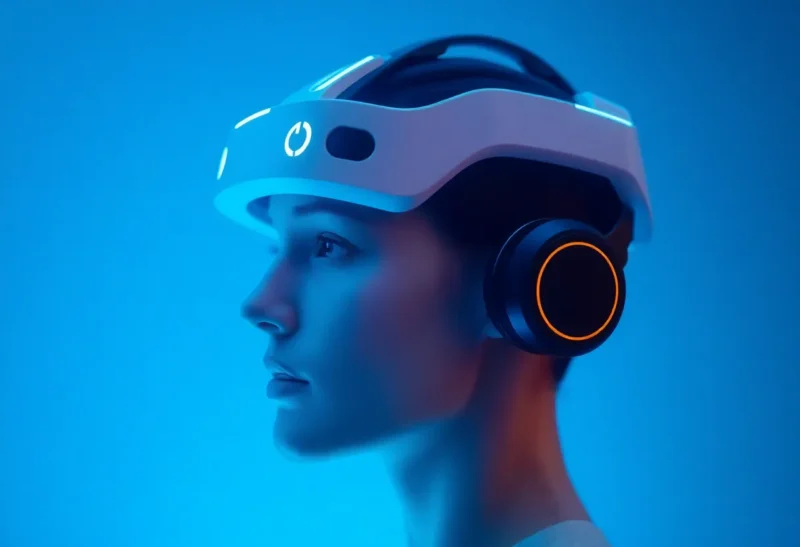
Non-invasive BCIs have found niches in wellness and entertainment: meditation headbands that estimate “focus” or “relaxation” from EEG, and a handful of games or demos that use simple binary choices (e.g., “left vs. right”) derived from brain activity. These are coarse. They don’t read your thoughts; they detect broad states or train on a very limited set of intentions. Useful for biofeedback or a gimmick; not for typing with your mind in the general sense.

What’s Close: Better Assistive Tech and Narrow Consumer Uses
In the next few years we’ll see more robust assistive BCIs: better longevity of implants, less invasive form factors (e.g., endovascular electrodes that reach the brain via blood vessels), and improved decoding so users can do more with fewer mental “commands.” On the consumer side, we might get non-invasive devices that reliably detect a few discrete intentions—enough for hands-free control in specific contexts (e.g., “next track” or “accept call”) but not full mental typing or immersive VR controlled by thought alone. The key is “narrow”: the applications that work will be tightly scoped, not general-purpose mind reading.
What’s Still Science Fiction
Reading arbitrary thoughts, dreams, or private mental content from a scalp cap isn’t on the horizon. The physics are against it: EEG is too blurry and too mixed with noise. Even with invasive arrays, we’re decoding intended actions or simple categories, not the content of inner experience. “Neuralink will let you stream music into your brain” or “BCIs will replace keyboards” in the next decade—those are marketing or speculation, not engineering. Similarly, full immersion in virtual worlds where the brain is the primary I/O is a long-term research goal, not a product you can buy today.
Ethics and Expectations
Setting realistic expectations matters. Overhyped BCIs lead to disillusionment and can distract from the assistive applications that already help real people. Invasive devices raise serious questions about consent, data ownership, and long-term safety—especially when sold to healthy users. Regulators and researchers are still figuring out how to evaluate and govern these technologies. The best outcome is a public that understands the difference between “control a cursor with training” and “read your mind,” and that holds companies to the former while we work toward the latter with care.
The Bottom Line
Brain-computer interfaces are real and valuable in focused domains: restoring communication and control for people with severe disability. Beyond that, today’s BCIs are limited—useful for narrow, trained tasks or rough wellness metrics, not general thought decoding. Progress will come from better hardware, better algorithms, and honest communication about what’s possible. The hype is ahead of the technology; the technology is still worth watching.