Biometric Authentication: Convenience vs Creepiness in 2026

Sasha Reid
March 7, 2026
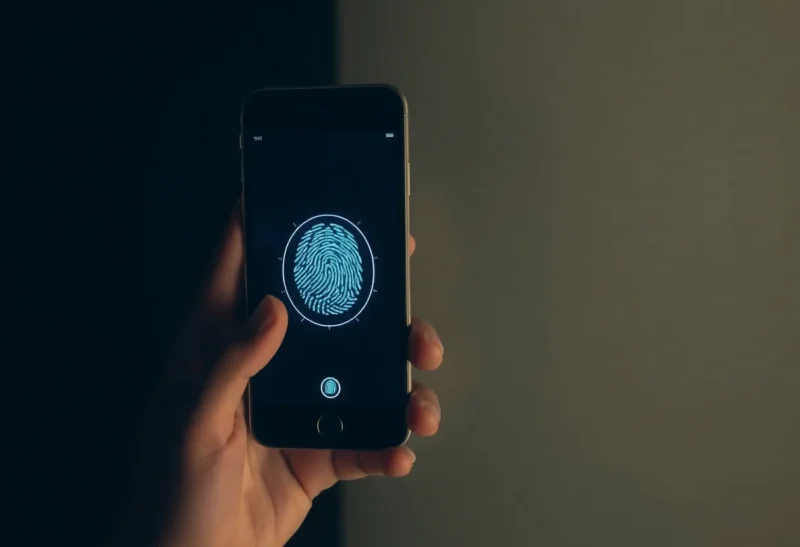
Biometric authentication sold us on convenience. Touch your finger, look at your phone, and you’re in. No passwords to remember, no pins to type. It’s fast, seamless, and genuinely useful—until you think about what you’re giving away. Your face, your fingerprint, the geometry of your iris: these aren’t like passwords. You can’t change them when they leak.
Here’s the uncomfortable truth: biometrics are a Faustian bargain. The convenience is real. So is the creepiness. In 2026, we’re using our bodies as keys to everything—phones, banks, airports, office buildings. The technology works. The question is whether we’re comfortable with what happens when it fails, when it’s abused, or when we simply want out.
The Convenience Trap
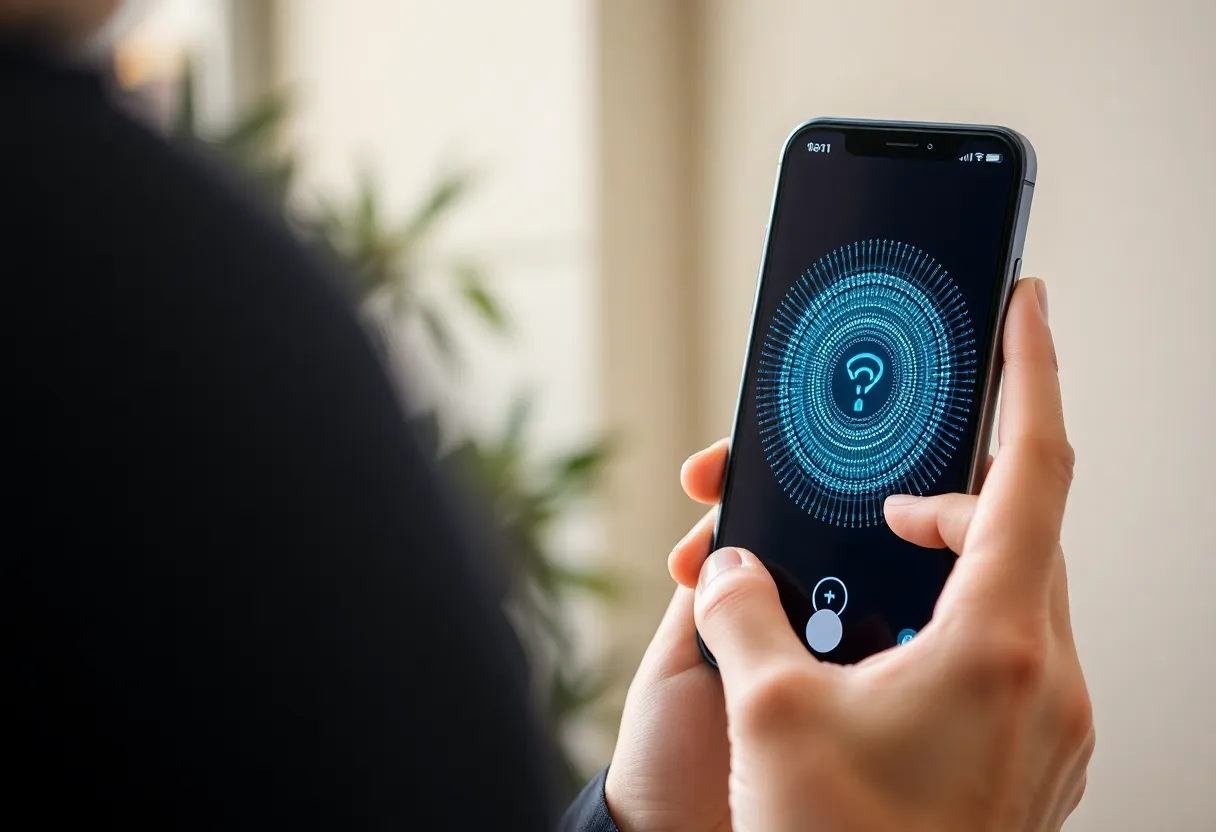
Biometrics are undeniably better than passwords for day-to-day use. Face ID unlocks your phone in a split second. Fingerprint readers let you pay without digging for a card. Iris scanners speed you through airport security. The friction reduction is real—and that’s exactly why adoption has exploded. We traded “something you know” for “something you are” because it’s easier. We didn’t think much about the trade.
But “something you are” is irrevocable. You have exactly one face, ten fingerprints, two irises. When a biometric database leaks—and they do—you can’t rotate your face like you would a password. When a government or corporation decides to use that data for something beyond authentication, you have no recourse. Your body is the key, and you can’t get a new one.
Where Biometrics Are Leaking
Biometric data leaks are already happening. In 2019, a UK biometrics company exposed millions of fingerprint and face records. In 2020, facial recognition databases used by law enforcement were found to contain images scraped from the web without consent. In 2024, a major hotel chain’s fingerprint system was compromised. The pattern is clear: wherever biometrics are collected, they become targets. And unlike passwords, they can’t be hashed in a way that prevents replay—your face is your face.
Device-level storage helps. Apple and most Android vendors store biometric templates in secure enclaves; they never leave the device. That’s a meaningful boundary. But enterprise and government systems often upload templates to servers. Airlines, banks, employers—they centralize biometric data for verification. Once it’s in a database, it’s only as secure as that database. And databases get breached.
The Creepiness Scale
Not all biometric use cases are equal. Unlocking your own phone with your face: low creepiness, high convenience. Your employer scanning your face to track attendance: higher creepiness, debatable convenience. A retail store using facial recognition to identify “known shoplifters” without your consent: high creepiness, convenience only for the store. A government building a national face database: off the scale.
In 2026, the line between “useful” and “surveillance” is blurring. Biometrics are spreading into domains where they weren’t needed—stadia, schools, public transit. The justification is always security or convenience. The result is always more data about who you are and where you’ve been. We’re building an infrastructure of identification that will be very hard to dismantle.
What You Can Do
For personal devices, prefer device-bound biometrics. Face ID and fingerprint sensors that don’t sync your template to the cloud are relatively low risk. For sensitive accounts, consider a hardware security key instead—something you have, not something you are. For systems that demand biometrics—airports, employers—you often have no choice. But you can push back where you do: decline optional facial recognition, ask what happens to your data, support regulations that limit biometric collection and retention.
The real question is collective. Do we want a world where our bodies are the default key to everything? Convenience says yes. Privacy says we should be careful. In 2026, we’re still figuring out where to draw the line.