Bardeen vs Zapier for Browser-First Automation: Honest Limits in 2026

Sam Rivera
April 7, 2026
Not every valuable automation starts with a clean API. Sometimes the “integration” is a web app that forgot webhooks, a legacy portal that only speaks HTML, or an internal tool where export means “click seven times and pray.” Browser-first platforms—Bardeen is the familiar name in this lane—promise to robot those clicks. Zapier, the default godfather of SaaS automation, can also touch browsers in places, but its center of gravity remains authenticated APIs and structured triggers.
In 2026, the useful question is not “which logo is cooler” but which architecture matches your data source. This article compares browser-first automation with Zapier-style API automation for real teams, including limits vendors gloss over.
Where Bardeen-style browser automation wins
When the UI is the interface, driving the DOM can be faster than negotiating vendor IT for API access. Scraping tables, filling forms, downloading CSVs from semi-cooperative portals, and stitching together semi-manual workflows are classic wins—provided the site layout is stable enough that selectors do not break weekly.
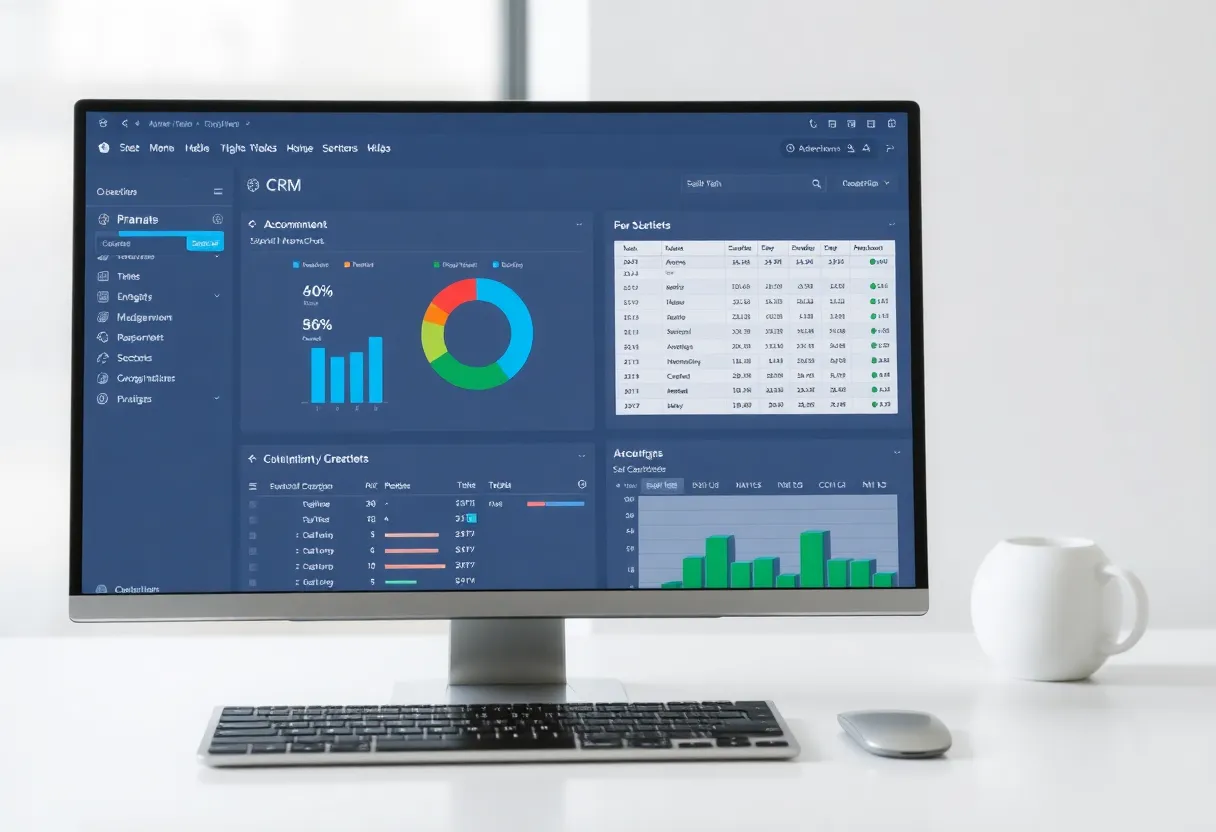
Browser automation also shines when humans are already living in Chrome: the mental model is “record what I do,” not “map JSON keys to CRM fields.” For operators who think in tabs, that familiarity matters.
Where Zapier still dominates
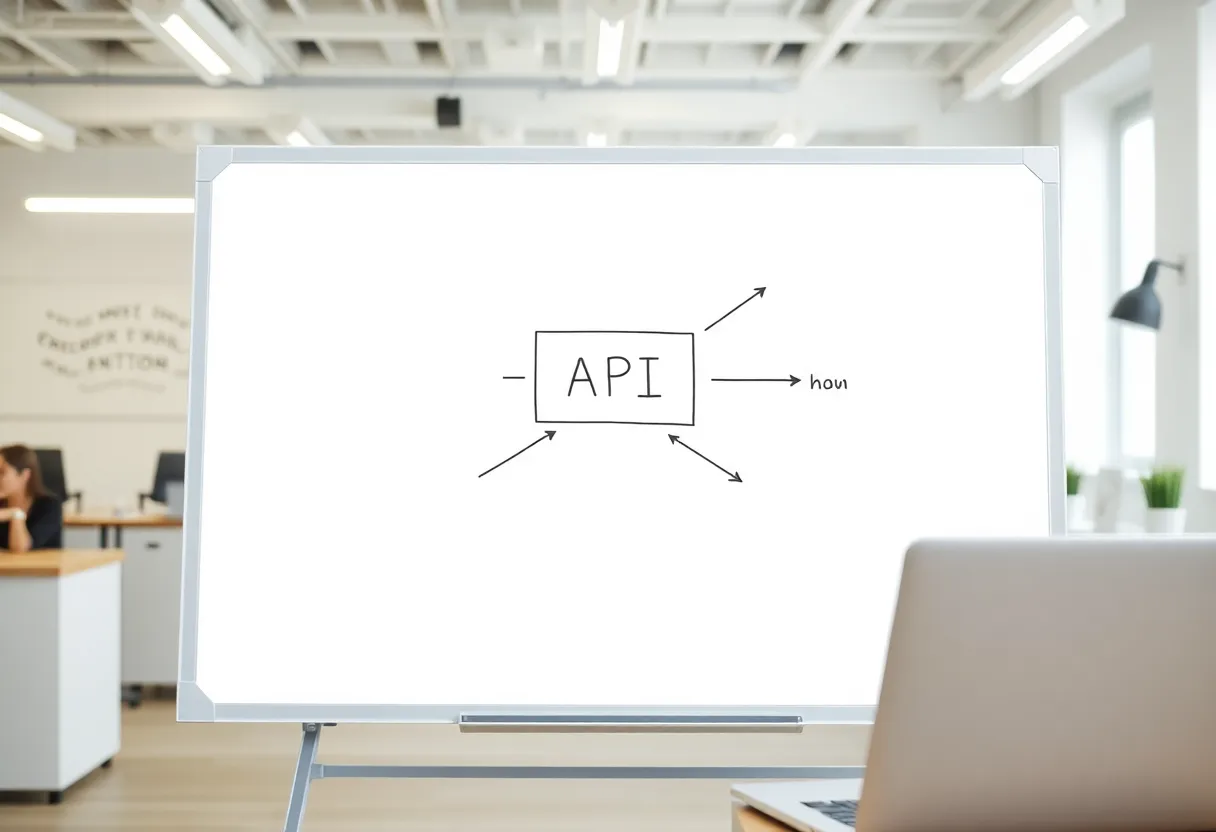
Zapier’s sweet spot is event-driven glue between systems that expose triggers and actions intentionally. New row in a sheet, message posted in Slack, deal stage changed in HubSpot—flows that should not depend on pixel coordinates. Reliability is higher because the contract is API-level, not CSS-level. Rate limits are still painful, but they are at least documented as numbers, not surprise DOM refactors.
Fragility: the browser tax
Every browser workflow carries maintenance debt. A button moves, a modal gains a shadow DOM, a site adds bot detection, a login flow adds MFA that cannot be scripted ethically. API workflows break too—vendors deprecate endpoints—but the failures are usually explicit error codes, not “selector not found” at 6 a.m.
Compliance note: automating sites may violate terms of service even when technically possible. Legal and security teams care about this even if engineering does not yet.
Hybrid reality: the grown-up pattern
Mature stacks mix approaches. Zapier (or Make, n8n, Workato) handles the API-native backbone; browser tools handle the stubborn edge systems. The important part is labeling which flows are brittle and scheduling periodic reviews. If nobody owns the browser bots, they will fail quietly until finance notices numbers drifting.
Observability: screenshots are not logs
Browser automations tempt teams to “watch the recording” when something fails. Recordings help, but they do not replace structured logs: which step, which selector, which account, which dataset hash. Pair browser flows with explicit success criteria—row counts, checksums, or downstream webhook receipts—so silent partial failures do not become Monday surprises.
Performance and scale
High-volume replication through a headful or headless browser does not scale like batched REST calls. Latency stacks, concurrency costs money, and anti-automation systems escalate. For large datasets, prefer exports, official bulk APIs, or ETL—even if setup is slower—over heroic clicking.
Security and credential handling
Browser automation often implies stored sessions or shared credentials. That concentrates risk. API tokens can be scoped and rotated; browser logins frequently cannot be granular. Use vaulting, least privilege, and separate accounts for bots where possible. Never let convenience turn a marketing intern’s login into production plumbing.
Choosing in one minute
- Pick browser-first when there is no stable API and volume is moderate.
- Pick Zapier-class when vendors expose triggers you trust and volume is high.
- Pick hybrid when the core is API-clean but a few portals are cursed.
Bottom line
Bardeen and its kin are honest tools for dishonest-era software—sites that should have APIs and do not. Zapier remains the default for SaaS that plays nice. In 2026, the winning teams stop pretending one paradigm solves everything; they document fragility, assign owners, and push vendors toward webhooks while the browser bots buy time.