Artemis and Starship: Two Moon Strategies and What Each Gets Wrong

Robin Hayes
April 6, 2026

Public conversation about returning to the Moon often collapses into team sports: NASA’s Artemis versus SpaceX’s Starship, government versus industry, caution versus speed. The reality on the launch pads is more intertwined—and each approach has predictable failure modes that have nothing to do with logos. If you want a clear-eyed view of lunar strategy in 2026, it helps to separate institutional design from vehicle physics, and timelines from engineering truth.
What Artemis is actually optimizing for
Artemis is not “a rocket program.” It is a political program with rocket-shaped milestones: international partnerships, safety culture baked into procurement, and a constellation of contractors asked to spread economic benefit across districts and allies. That structure produces redundancy, oversight, and—inevitably—schedule friction.
Where Artemis is often misunderstood is in the critique that it is “too slow.” Slow is sometimes the point when the customer is a taxpayer base that punishes visible accidents harshly. The Artemis architecture also tries to preserve a ladder of capabilities: crew transport, lunar orbit logistics, surface access, and long-term habitation studies that do not collapse if one vendor stumbles.
What Starship is actually optimizing for
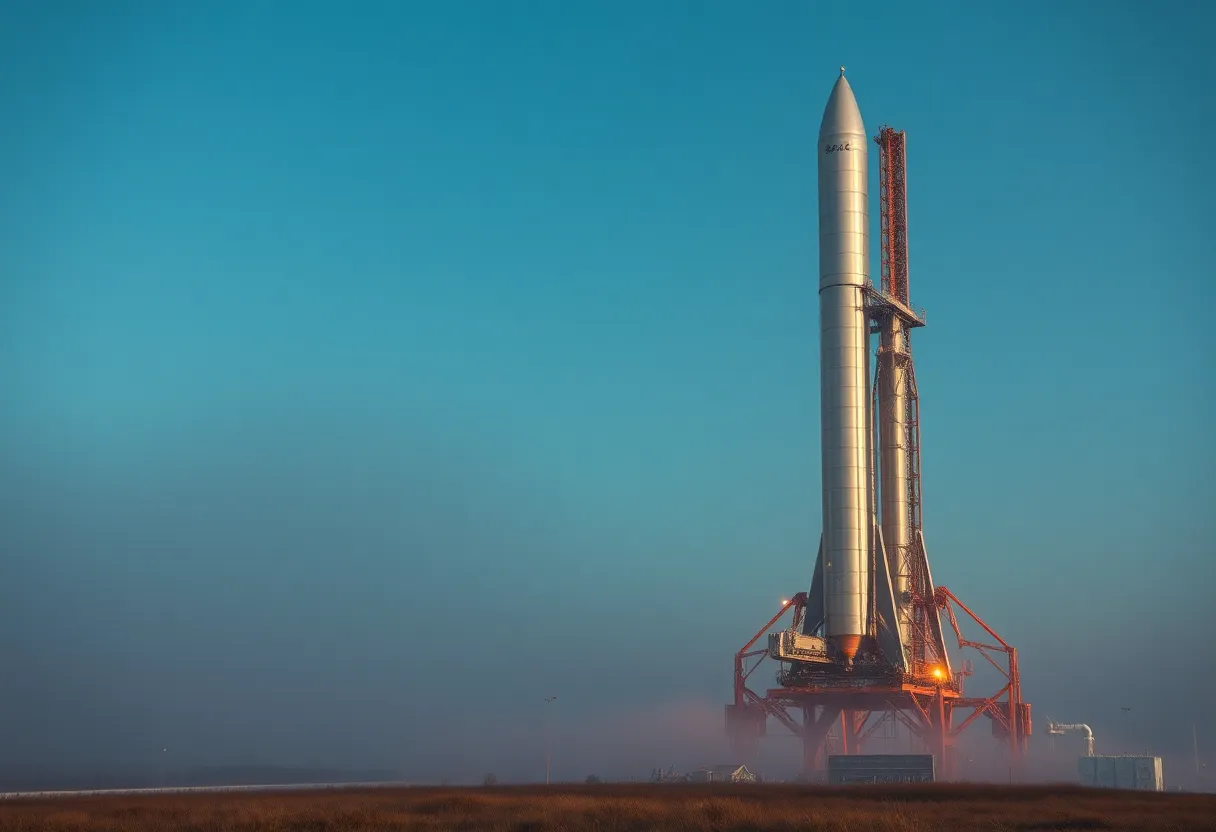
Starship is optimized for a different variable: mass to orbit—and eventually mass to the surface—at a cost curve that breaks if rapid iteration stops. The program’s public drama (tests, explosions, redesigns) is not a sideshow; it is the development methodology. The bet is that full-stack reuse and high flight rate can change lunar logistics the way containerization changed shipping—if the reliability curve matures.
Where Starship is often misunderstood is in the assumption that “big rocket equals instant Moon base.” Payload capacity solves one bottleneck. It does not automatically solve life support, dust mitigation, power at lunar night, or the boring paperwork of sustained human presence.

What Artemis gets wrong (in the practical sense)
- Interface complexity — multi-vendor stacks can accrue integration risk that shows up late, not early.
- Incentive misalignment — cost-plus histories taught the industry how to meet process; commercial programs reward speed, sometimes unevenly.
- Expectation management — public dates become commitments even when engineering variance is huge.
None of this means Artemis is doomed. It means the program’s weakness is coordination overhead—the same weakness any large alliance faces when translating ambition into hardware.
What the Starship roadmap gets wrong (also practical)
- Schedule optimism — novel vehicles routinely surprise even their builders; lunar operations compound the surprises.
- Single-system dependency risk — enormous capability in one stack can become a bottleneck if cadence or certification lags.
- Operations, not demos — landing prototypes and sustaining monthly cargo are different jobs.
Gateways, landers, and the “who lands where” puzzle
Moon plans are not monolithic stacks. Orbital staging, transfer vehicles, human-rated landers, and robotic precursors each move on different clocks. A delay in one element does not always move the headline date—it can reshuffle which mission flies “flags and footprints” versus which mission delivers cargo and instruments that reduce risk for the next step.
Commercial lander programs matter here because they decouple science and logistics from any single human-rated timeline. If robotic deliveries normalize, the surface becomes a laboratory sooner, even while crew systems catch up.
Why the Moon breaks easy narratives
The lunar surface is a harsh systems-engineering exam. Regolith dust attacks seals and joints. Thermal swings bully materials. Light and power budgets punish naive assumptions. Communication geometry makes autonomy valuable—and mistakes expensive. Any strategy that treats the Moon as “Mars practice” still has to pass lunar-specific finals.
How the two paths might converge
Watch for collaboration where incentives align: cargo delivery competitions, commercial lander services, shared communications standards, and payloads that do not care whose fairing they ride in. Convergence does not require philosophical unity—only compatible interfaces and mutual impatience with bottlenecks.
What to watch in 2026 if you are not an insider
- Flight cadence — tests turning into rhythm, not one-offs.
- Crew safety artifacts — not press releases, but consistent engineering closure.
- Surface logistics demos — power, mobility, and payload handling without heroics.
- International participation — real hardware contributions, not just flags on slides.
Closing
Artemis and Starship are less a rivalry than a forced partnership between institutional patience and industrial velocity. Each gets something wrong on purpose—because each is solving for different risks. The useful question is not which logo “wins,” but which capabilities become boringly reliable first: delivery, life support, and surface ops. When those are boring, the Moon stops being a headline and starts being a workplace.