Action Cam or Drone: How to Choose for Your Next Project

Finn Mercer
March 1, 2026
Action cameras and drones both capture outdoor video—but they’re different tools. One goes where you go; the other flies above you. The choice depends on what you’re shooting, where you’re shooting it, and what you’re willing to carry. Here’s how to decide.
Action cameras: first-person perspective
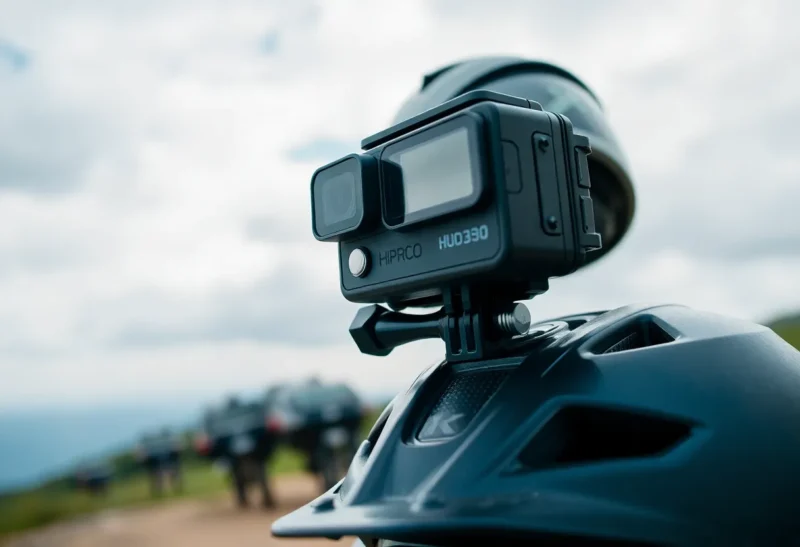
Action cameras excel at POV footage. Mount one on a helmet, chest, handlebar, or wrist, and it captures what you see. Mountain biking, skiing, surfing, climbing—anything where you want the viewer in your perspective, an action cam is the tool. GoPro, DJI Osmo Action, Insta360, and others offer rugged, waterproof bodies, wide lenses, and stabilization. They’re small, light, and easy to pack.
Use cases: sports, vlogging, dash-cam style footage, anything handheld or body-mounted. If the shot is “what I’m doing,” an action cam wins. If the shot is “what I’m doing from above,” you need a drone.
Drones: aerial and establishing shots
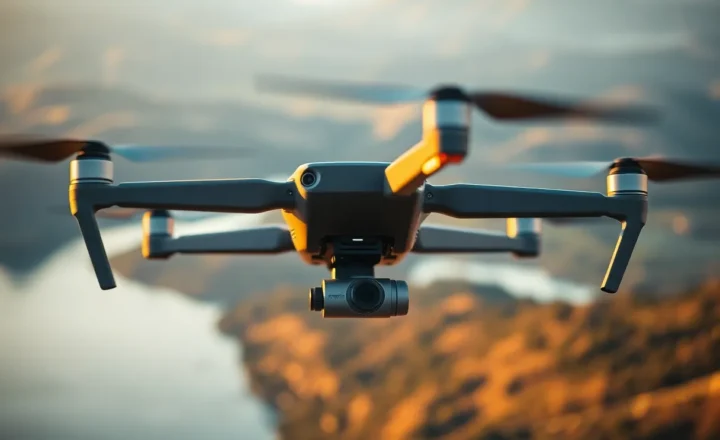
Drones give you altitude. Landscapes, architecture, crowd shots, establishing shots—anything that benefits from a bird’s-eye view. A drone can orbit a subject, reveal a location, or follow you from above. DJI dominates the market; Autel, Skydio, and others offer alternatives. Consumer drones are easier to fly than ever: GPS, obstacle avoidance, and automated flight modes make the learning curve manageable.
Use cases: real estate, travel, events, outdoor adventures where aerial context matters. If the shot is “the place” or “the scale,” a drone wins. If the shot is “me doing the thing,” an action cam is usually better.
The overlap
Some drones carry action cameras—or built-in equivalents. DJI’s FPV drones and cinewhoops use action-cam style sensors for first-person flight footage. You get both perspectives from one system, but it’s more complex and expensive. For most people, a dedicated action cam and a separate consumer drone is the practical path.
Creators who do both often use both: action cam for POV and close-ups, drone for establishing and aerial. The workflow is two cameras, two angles, more options in edit.
Constraints to consider
Regulations. Drones are regulated—height limits, no-fly zones, registration requirements—and the rules vary by country and region. Action cameras have no such restrictions. If you’re shooting in national parks, near airports, or in urban areas, drone rules may limit or prohibit use. Action cams go anywhere you go.
Portability. Action cameras fit in a pocket. Drones need a bag, batteries, and often a controller. If you’re backpacking, hiking, or traveling light, an action cam is easier. If you’re driving to a location with space to fly, a drone is manageable.
Weather. Both handle light rain; neither loves storms. Wind is harder on drones—gusts can push them around or ground them. Action cams don’t care about wind. Cold affects both: batteries drain faster. Plan accordingly.
Decision framework
What’s the primary shot? POV and close-up → action cam. Aerial and establishing → drone.
Where will you shoot? Restricted airspace, no-fly zones, or tight spaces → action cam. Open landscapes, real estate, events → drone.
What’s your budget? Action cams start around $200; consumer drones start around $400 and go up. If you can only afford one, an action cam is more versatile for day-to-day use.
What’s your experience? Drones have a learning curve—flight, regulations, safety. Action cams are point-and-shoot. If you’re new to both, start with an action cam; add a drone when you have a clear use case.
For most people, the answer isn’t “or”—it’s “and, eventually.” Start with the tool that matches your primary use case. Add the other when the need is clear. Action cam or drone: the right choice is the one that gets you the shots you actually want.